Environmental groups are trying to overturn Niedersachsen’s approval for the expansion of the Lingen fuel-element plant, arguing the state may not have been legally bound to clear the project and that the Rosatom link creates an unacceptable nuclear-security risk.
Lingen fuel plant approval faces court challenge
The case matters because it goes beyond a local permitting dispute. If the court accepts the argument that the state retained discretion, the approval could be vulnerable on procedural grounds, reopening a decision Berlin and Hanover have treated as effectively unavoidable. That would matter not only for the plant operator, Advanced Nuclear Fuels, a Framatome subsidiary, but also for Europe’s broader effort to reduce dependence on Russian nuclear technology while preserving fuel supply for reactors built on Soviet designs.
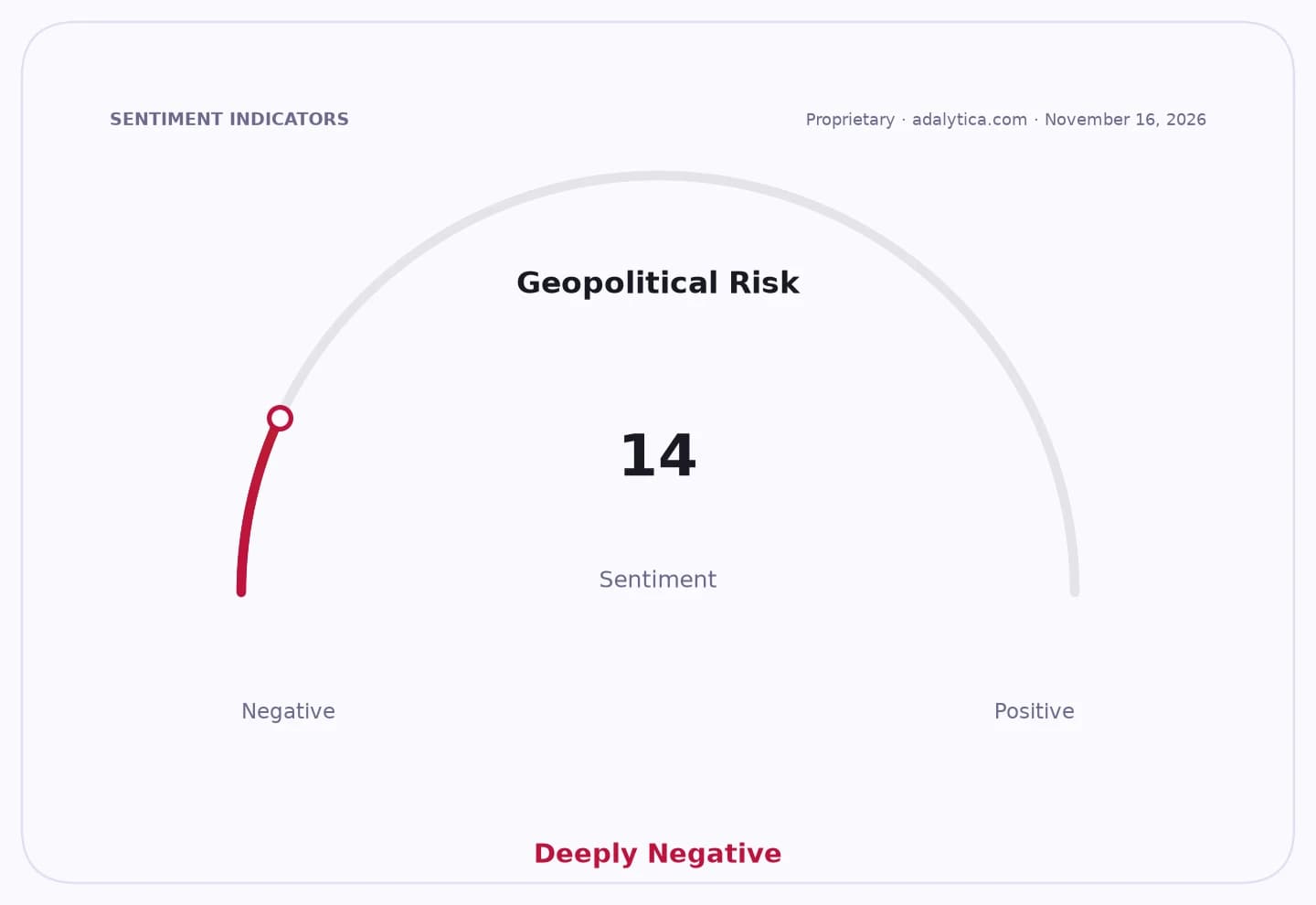
Sentiment Indicators
BUND and Ausgestrahlt said in a filing to the Higher Administrative Court in Lueneburg that the Lower Saxony environment ministry wrongly assumed it had no choice but to approve the expansion. They contend a legal opinion commissioned by the federal environment ministry in 2023 found that, given the security situation, the ministry did in fact have discretion to deny the permit. Under German administrative law, that would raise the prospect of an “Ermessensausfall,” or failure to exercise discretion, if officials believed they were legally compelled to approve the project.
That challenge cuts at the core of the state’s defense. When environment minister Christian Meyer approved the expansion in July, he publicly opposed cooperation with Rosatom, calling it fundamentally wrong, but said nuclear law left no room to block it because of federal mandate administration. The federal government had already backed the project in February, citing supply security for Eastern European reactors of Soviet-era design.
The activists are also attacking the safety review itself. ANF plans to manufacture hexagonal fuel elements in Lingen using licenses and machinery from TVEL, a Rosatom subsidiary. The state imposed conditions, including a broad ban on Russian personnel entering the site, but the groups say that does not eliminate the risks of espionage, sabotage or manipulation of equipment and production processes. They argue the ministry’s own documents acknowledge a relevant potential for concern stemming from the integration of Russian licensing technology.
For investors and utilities, the dispute highlights the fragile balance Europe is trying to strike in nuclear fuel markets. The strategic need is clear: keep fuel available for operating reactors while cutting exposure to Russia. But the more that supply chains, intellectual property and plant operations remain tied to Rosatom-related technology, the more approval processes become vulnerable to litigation and political reversal.
The court had already rejected an emergency bid to halt construction last week, but the main case now turns on whether the state truly lacked discretion and whether the security review was robust enough under current geopolitical conditions. A ruling against the approval would not just delay Lingen; it would sharpen scrutiny on every European nuclear project still dependent on Russian know-how.
| Entity | Gains | Losses |
|---|---|---|
| BUND / Ausgestrahlt | ▲Legal leverage | ▼Permitted expansion |
| Lower Saxony government | ▲Short-term political cover | ▼Court scrutiny |
| ANF / Framatome | ▲Project continuity | ▼Approval uncertainty |
| Rosatom / TVEL | ▲Technology influence | ▼Western market access |