Estonia’s move to close its border with Russia is emerging as a security and economic issue for the Baltic state, but lawmakers failed to finish the first reading of the bill that would force the government to do it, delaying a decision already tied to a 1 December start date.
Estonia Border Closure Bill Delayed Ahead of Dec. 1
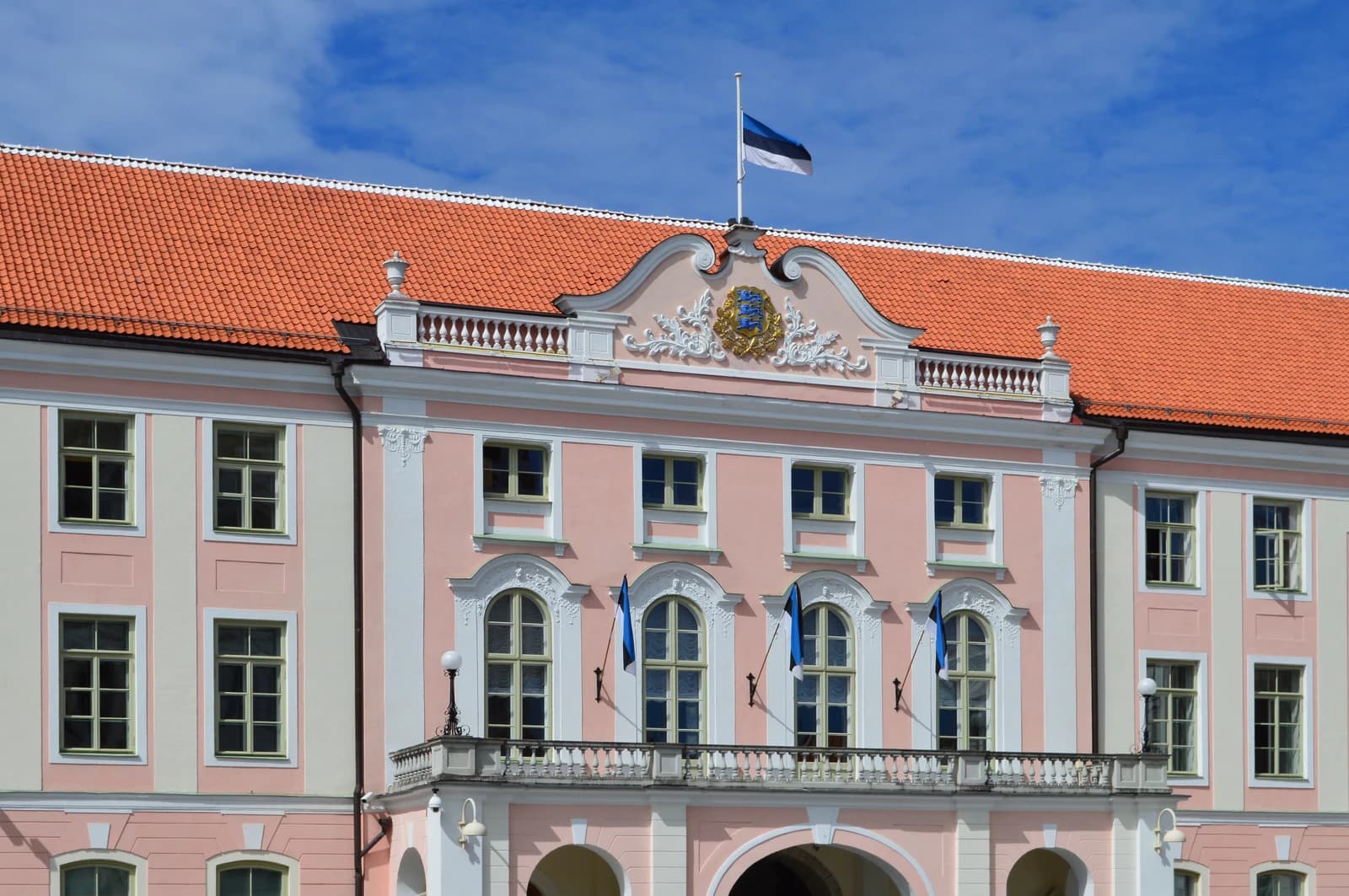
The standoff matters because the proposed shutdown is no longer just a symbolic response to tensions with Moscow. It would reshape cross-border trade, commuter flows and security planning in a country that sees Russia as its most immediate geopolitical risk. For investors, it also underscores how quickly regional security shocks can spill into transport, fuel costs and border-adjacent businesses across the eastern Baltic.
Sentiment Indicators
The law was introduced by the opposition Isamaa party, which is pressing the government to formally close the temporary control line on the Estonia-Russia border. Party leader Urmas Reinsalu said the closure would reduce security risks and send a signal to other EU countries on the eastern flank. He noted the government has publicly said it intends to shut the border from Dec. 1, but has not yet taken a formal decision.
The proposal has been brought forward three times, with previous attempts in spring and autumn 2025 rejected by the parliamentary majority. This time, the debate ran out of time after about an hour, leaving first reading unfinished. That procedural delay does not change the underlying direction of policy, but it shows the government has not yet built a clear legislative consensus around one of the most sensitive security measures in the region.
The economic stakes are not trivial. Reinsalu said 1.1 million people crossed the control line in 2025 and 760,000 had done so by late summer 2026, while about 30,000 vehicles crossed this year. Any closure would hit border communities hardest, especially in Ida-Virumaa and southern Estonia, where residents rely on access across the frontier for family, work and transport. Reinsalu acknowledged those costs and urged the government to work with local authorities on mitigation, including a possible temporary diesel excise cut for transport companies.
That matters for investors because tighter border controls can ripple beyond geopolitics into logistics, road freight, fuel demand and regional retail. A shutdown would likely compress cross-border activity, while increasing state spending on internal security and border enforcement. It could also support firms exposed to domestic security spending, while pressuring transport operators and businesses with Russian-facing exposure.
The broader security narrative is driving the politics. Reinsalu linked the measure to alleged Russian sabotage risks and to the possibility that people crossing the border could be used for recruitment or influence operations. He said Estonia should study exceptions for humanitarian cases, citing Finland’s experience after Helsinki closed its land border with Russia in late 2023.
The debate also widened to Estonia’s southern border with Latvia and the sea route from Finland. Reinsalu said roughly 12,000 illegal crossings were detected on the Estonian-Latvian border this year, with about 500 people reaching Estonian territory. EKRE lawmaker Mart Helme argued that closing the eastern border would require stronger controls elsewhere, including on the maritime route. Reinsalu agreed that resources freed up by shutting the eastern border could be redirected to those fronts.
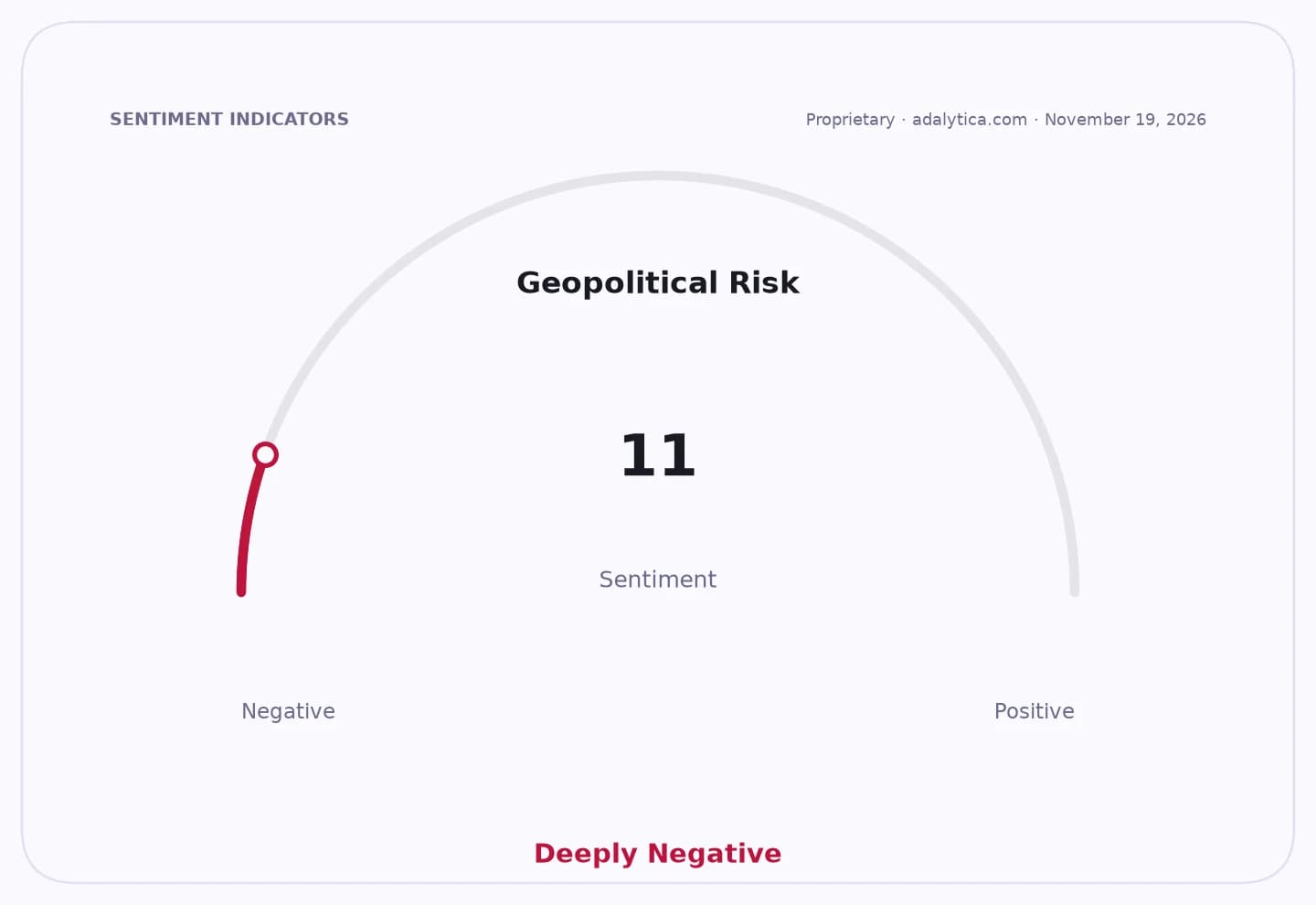
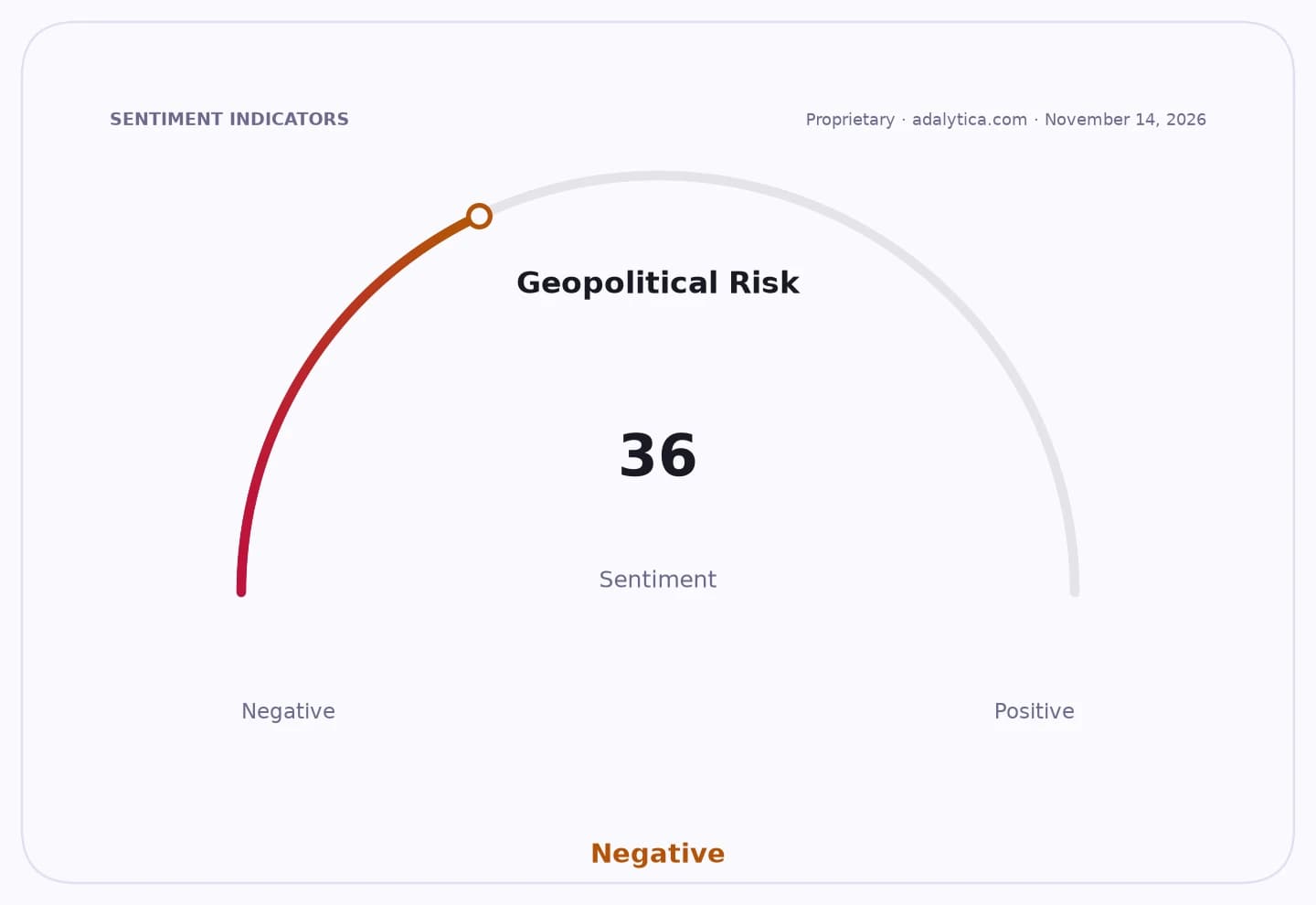
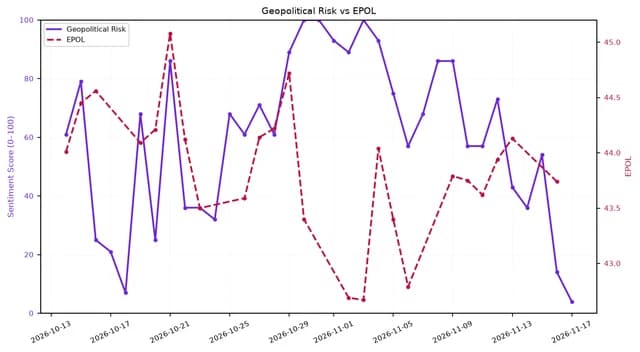
The political message is that Estonia is moving toward a more hardened security posture at a time when regional risk perception is already elevated. Adalytica’s Global Stability Sentiment gauge shows “Extreme Fear,” highlighting how quickly geopolitical stress has intensified. For markets, the immediate impact is likely to remain localized, but the policy direction reinforces a wider Baltic pattern: higher security costs, tighter borders and more disruption risk for businesses operating near Russia.
| Entity | Gains | Losses |
|---|---|---|
| Estonian government | ▲Security control | ▼Cross-border commerce |
| Border communities | ▲Clearer security rules | ▼Easier travel |
| Transport firms | ▲Possible state relief | ▼Lower freight volumes |
| Russia-facing businesses | ▲None | ▼Access and traffic |