A fresh U.S. rate hike is adding another headwind to Libya’s oil-dependent economy by strengthening the dollar and raising the risk of softer crude prices, a prospect that matters far more in Tripoli than in Washington.
Libya Oil Outlook After U.S. Rate Hike
اقتصادياً، the concern is straightforward: Libya relies overwhelmingly on oil export receipts to fund public spending, imports and hard-currency needs, so even a modest decline in global crude can quickly reverberate through fiscal balances and foreign-exchange availability. Sahar Al-Jibani, an economics professor at the University of Derna, argued that the Federal Reserve’s quarter-point move — its first in more than three years — could weigh on oil prices because higher U.S. rates typically support the dollar and tighten financial conditions.
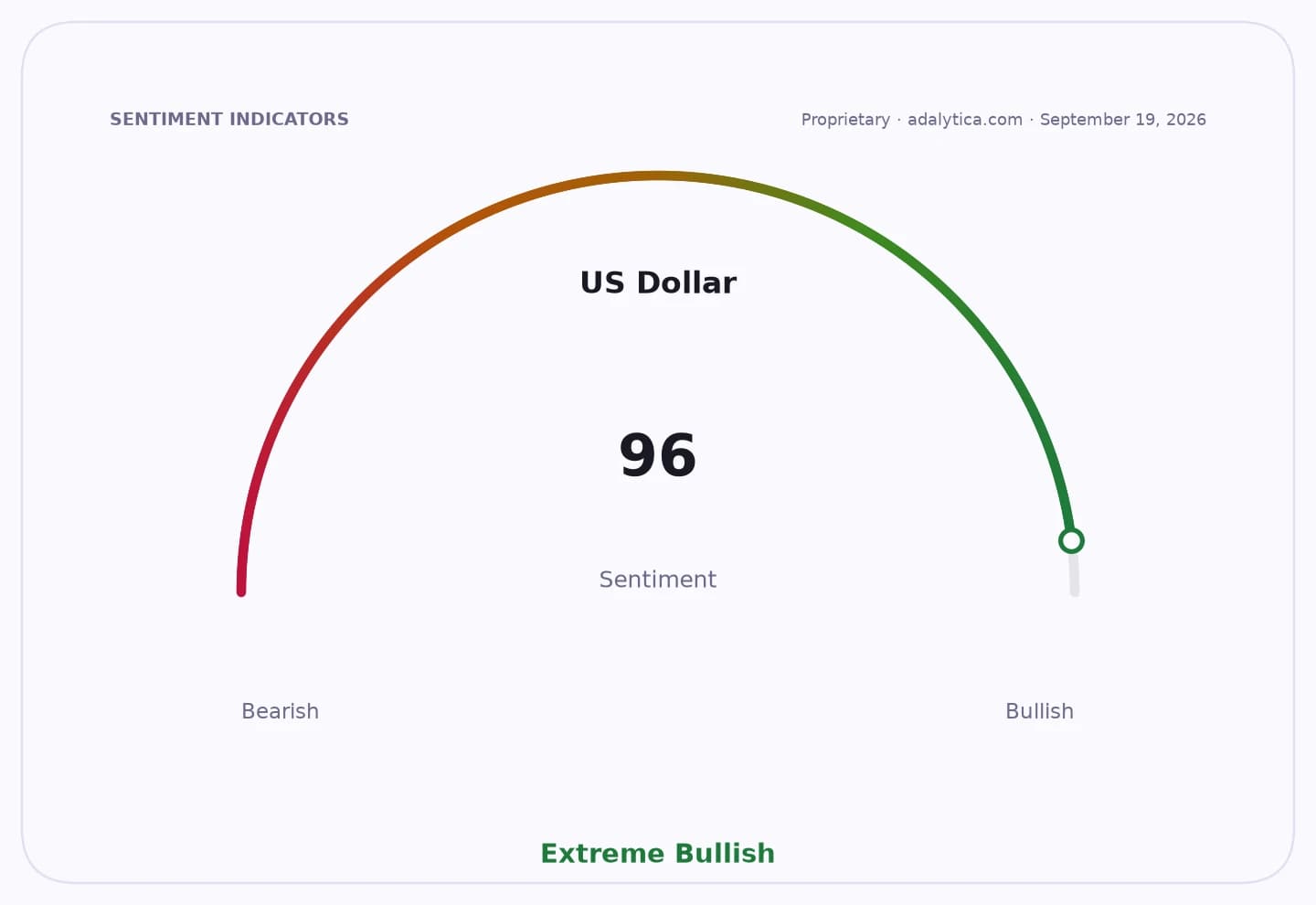
Sentiment IndicatorsⓘProprietary · adalytica.com · September 19, 2026
This is a snapshot — live sentiment, awareness and momentum for 130+ markets update continuously in the dashboard.Open AlphaPulse
That linkage has mattered before. Al-Jibani pointed to the 1980s, when tighter U.S. policy and a stronger dollar accompanied a collapse in oil prices that hit Libya especially hard, forcing cancellations of development plans and a period of austerity. He also cited the 2008 financial crisis, when crude fell sharply as the Fed slashed rates toward zero, and the subsequent 2015-2017 and 2018-2019 tightening cycles, when oil later weakened again.
The immediate market backdrop is more complicated than in those earlier episodes. Brent has already been volatile on Middle East supply risks, including a recent attack on a key Saudi pipeline that pushed prices toward $105 a barrel. Libyan crude has been trading at a steep premium — about $23 above Brent, according to market context — reflecting both supply strain and the scarcity of suitable barrels. That means Libya could benefit in the near term if geopolitical disruption keeps global prices elevated, even if tighter U.S. policy caps the upside.
For investors, the key issue is whether the Fed move marks the start of a sustained dollar-led correction in oil or whether geopolitics overrides the usual macro relationship. A stronger dollar tends to pressure dollar-denominated commodities and can curb demand expectations, but the effect is not mechanical when supply is threatened in the Strait of Hormuz or Bab el-Mandeb. That tension helps explain why oil futures and the USO fund have remained elevated, with front-month crude still far above its 50-day and 200-day moving averages and RSI readings suggesting overbought conditions rather than a clear trend reversal.
The bull case for Libya is that supply shocks and a structurally tight market keep crude elevated enough to offset any rate-driven drag. The bear case is that a firmer dollar, softer global growth and any easing of geopolitical stress combine to pull prices lower, exposing Libya’s fiscal dependence on oil receipts once again. For local policymakers, the implication is less about monetary policy in Washington than about how long they can count on a high-price environment to finance spending.
What happens next will depend on whether the Fed’s tightening cycle gains the upper hand over the region’s supply risks. If it does, Libya’s oil revenues could come under renewed pressure; if not, geopolitical premium may continue to dominate pricing and cushion the economy.
| Entity | Gains | Losses |
|---|---|---|
| U.S. dollar | ▲Higher yields, stronger demand | ▼Oil exporters priced in dollars |
| Libyan government | ▲Higher crude prices, export windfall | ▼Lower oil prices, budget strain |
| Global oil consumers | ▲Cheaper energy if prices ease | ▼Higher fuel costs if supply shocks persist |
| Oil bulls | ▲Geopolitical premiums, tight supply | ▼Rate-driven dollar strength |