Levi Strauss & Co. has introduced an AI hiring agent called Andy that is already speeding up recruitment, a move that could cut administrative costs, help stores fill shifts faster and give the apparel maker a new template for automating back-office work.
Levi Strauss rolls out AI hiring agent Andy
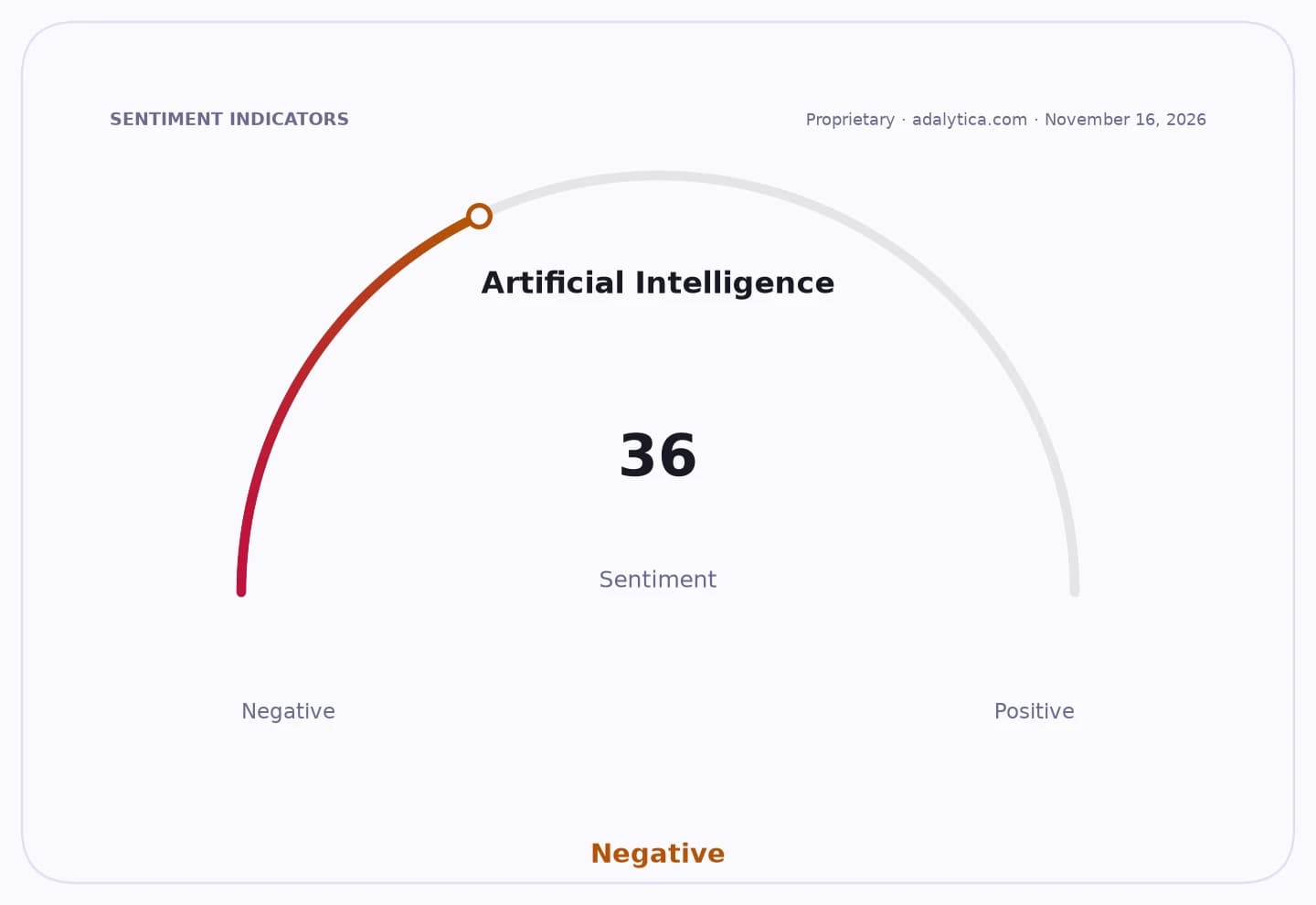
Artificial Intelligence
The San Francisco company says the tool is designed to make hiring “more human,” not less, by handling routine tasks such as answering candidate questions, collecting applications and scheduling interviews through Outlook calendars. For investors, the significance is less about novelty than execution: Levi’s is using AI to reduce the time managers spend on hiring logistics at a moment when labor efficiency matters across retail.
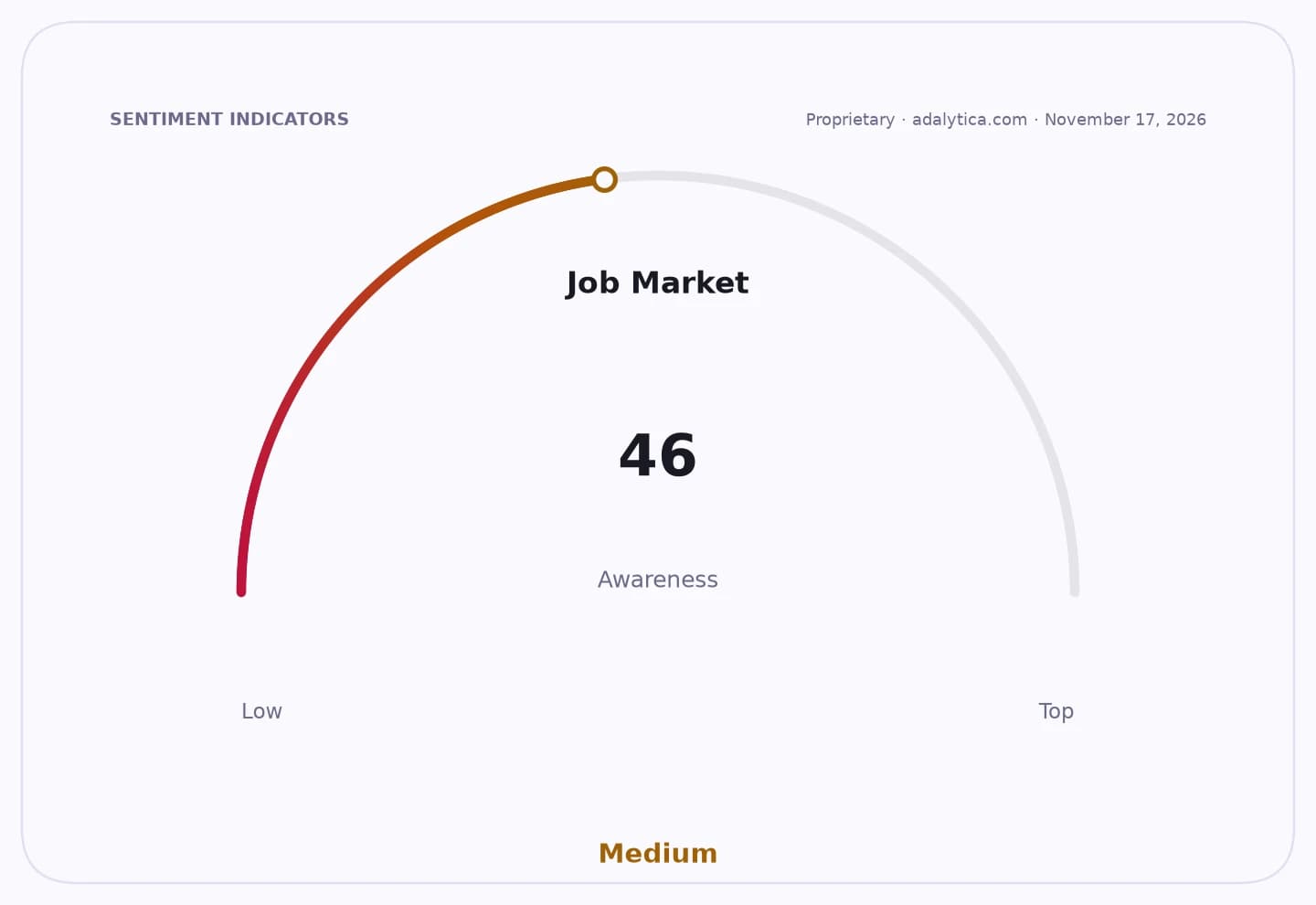
Sentiment Indicators
Andy launched in August for U.S. and Canada corporate and distribution center jobs and in September for retail stores. Levi’s says the agent has already scheduled nearly 1,500 interviews, with interviews booked in under an hour and candidates completing the process in an average of two days for retail roles and four days for corporate and distribution center positions. The tool has also answered more than 2,000 candidate questions.
That matters because retail hiring is often slowed by store managers balancing staffing, customer traffic and interview coordination. Levi’s said the automation frees managers to spend more time on candidate fit and on-floor operations, while helping stores get staffed for the shifts they actually need covered. The company’s global expansion of the tool in 2027 suggests it sees the workflow gains as scalable beyond North America.
Levi’s is tying the rollout to a broader effort to “rewire and automate” internal processes, including a 2025 partnership with Microsoft on an integrated agentic AI platform for IT, human resources and operations. The move also fits a wider corporate push to use AI in HR without fully replacing human oversight, a debate that has intensified as companies weigh efficiency gains against concerns about dehumanizing recruitment.
Shares of Levi’s have been volatile in recent months, with the stock last at $24.11, above both its 50-day moving average of $20.95 and its 200-day moving average of $21.57. The relative strength index at 69.2 points to a strong run, while the MACD remains positive, reflecting momentum that investors may connect more to operating discipline and margin control than to the hiring tool alone.
The next test is whether Levi’s can extend the gains beyond scheduling and into broader productivity improvements without hurting candidate experience. If the company can do that, Andy could become an early example of how AI moves from a buzzword to a measurable retail operating lever.
| Entity | Gains | Losses |
|---|---|---|
| Levi Strauss & Co. | ▲Faster hiring; lower admin burden | ▼Less recruiter time on routine tasks |
| Store managers | ▲More time on operations | ▼Less manual control of scheduling |
| Candidates | ▲Quicker responses; faster interviews | ▼Less direct human contact initially |
| Retail rivals | ▲Pressure to match efficiency | ▼Risk of slower hiring processes |