Lamine Yamal’s first major move off the pitch is into property, a sign the 19-year-old Barcelona forward is already thinking like a long-term asset owner rather than a short-career athlete spending into his peak earnings.
Lamine Yamal builds property company in Spain
The most important detail is not the glamour surrounding his purchases, but the structure: Yamal has begun building a corporate vehicle to buy, sell and operate real estate, giving him a formal investment platform at an unusually young age. According to Spain’s mercantile registry and reporting by Vanitatis, the centerpiece is Capitally Property SL, created with just 3,000 euros of share capital, the legal minimum, and controlled alongside his image-rights company, Ally Global SL. That suggests a deliberate effort to separate sporting income from property holdings and to create a wrapper that can scale as his earnings rise.
Sentiment Indicators
For investors, the move matters because it shows how elite athletes are behaving more like family offices in an environment where real estate is again becoming a preferred store of value for cash-rich buyers. With interest rates falling and housing sentiment improving in some markets, buyers with no need for mortgage financing have a clear advantage. Yamal’s purchase of a 50% stake in an industrial building in September, reportedly without a mortgage, is especially notable: cash transactions reduce financing risk, allow faster execution and can secure assets that smaller borrowers cannot easily access.
The deal also underscores the appeal of property as a defensive asset class for high earners facing short career horizons and volatile endorsement income. Yamal already owns or has arranged homes for family members, according to his father, while also living in and refurbishing a mansion in Esplugues de Llobregat. That pattern fits a broader wealth-preservation playbook: secure family housing first, then move into assets that can generate rental income or capital appreciation over time.
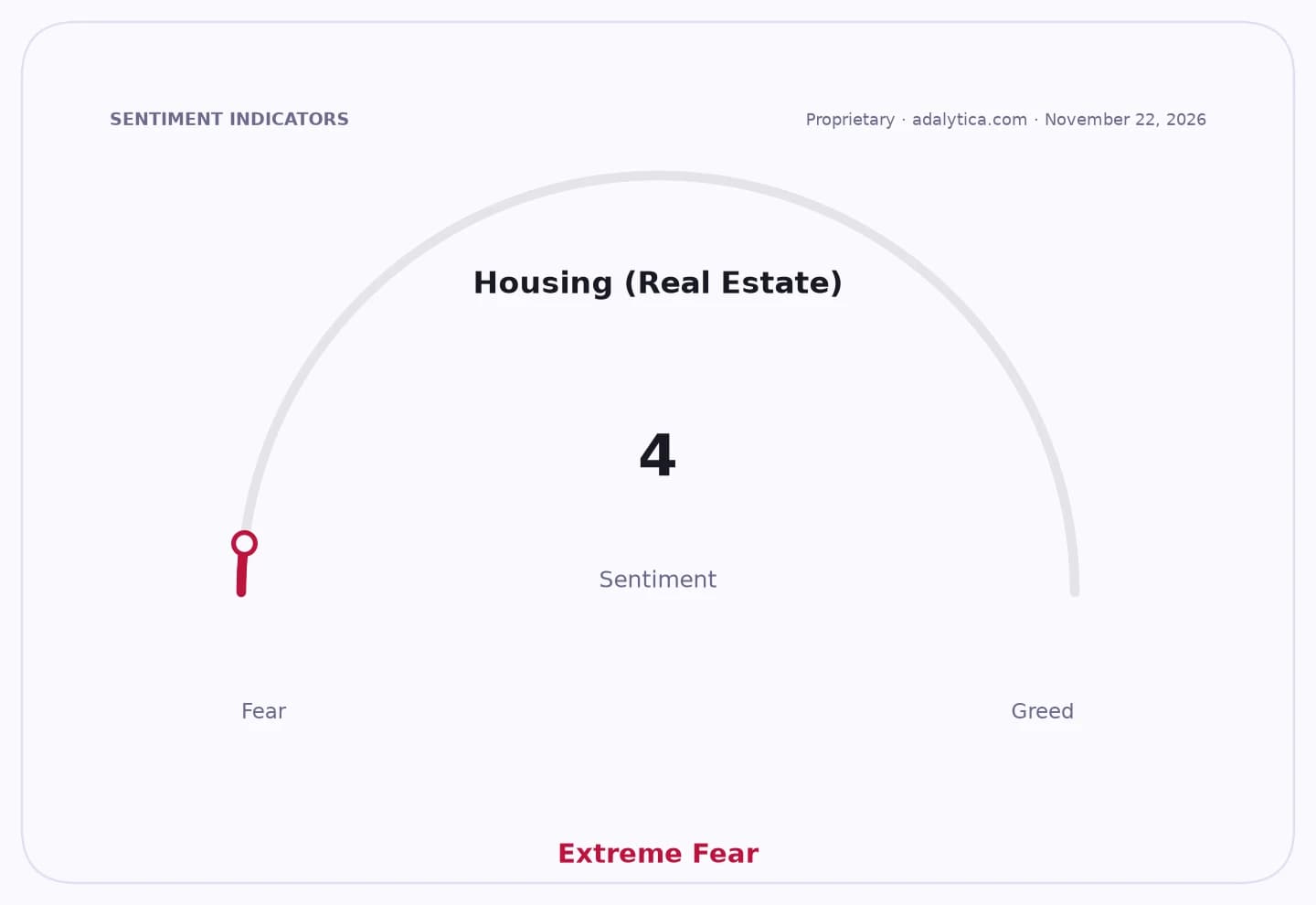
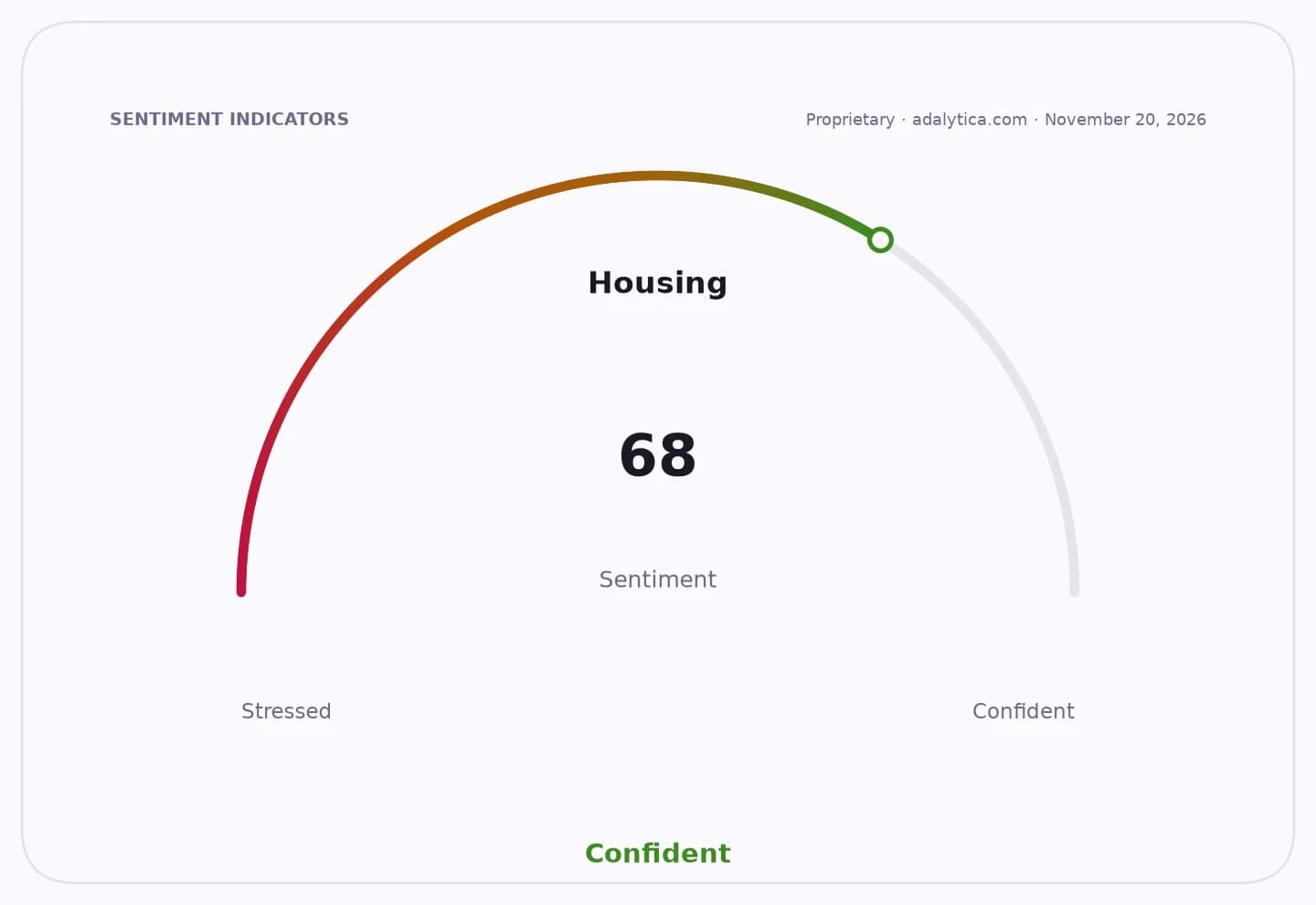
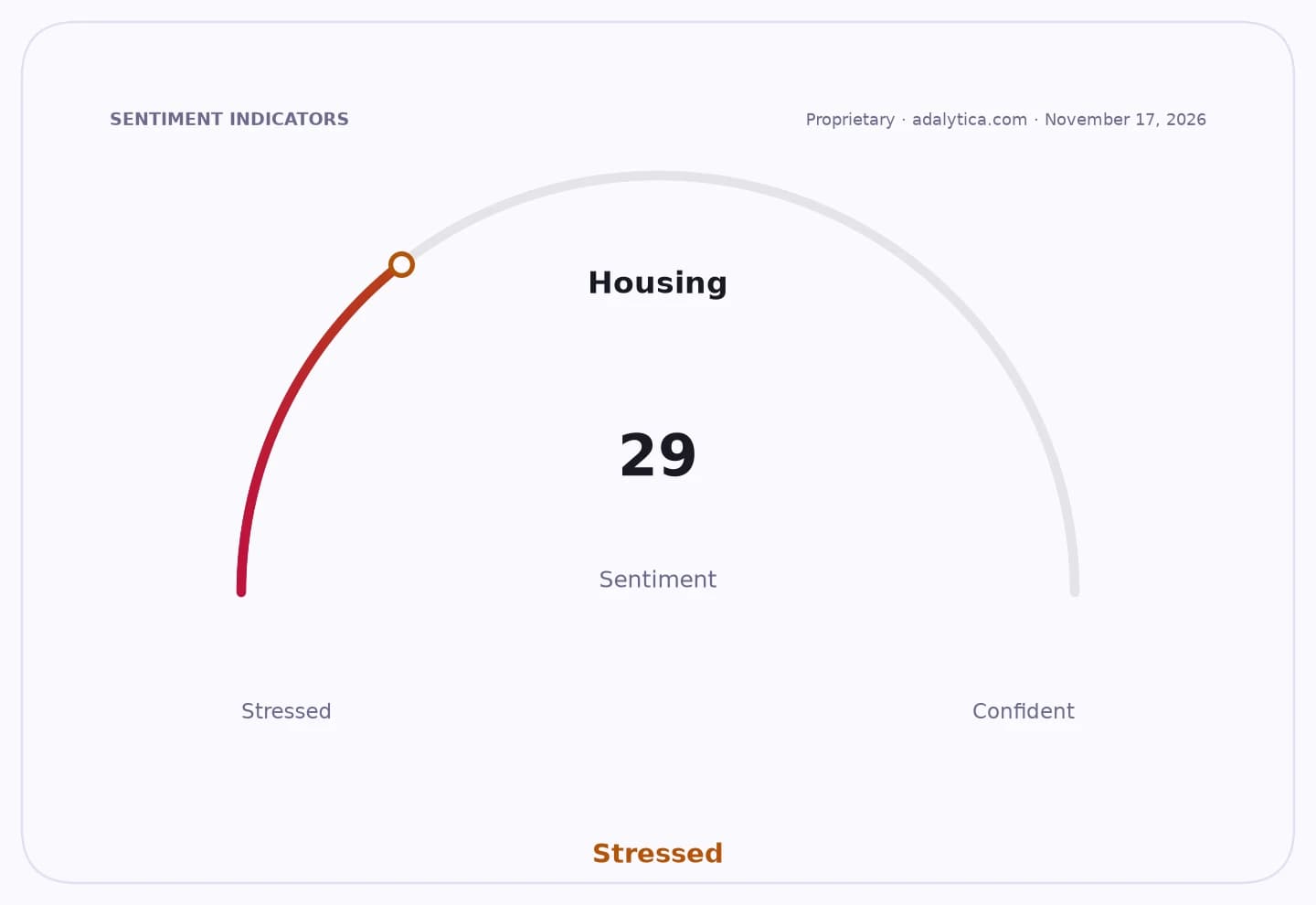
The timing is important. Spain’s housing market remains structurally tight in attractive urban areas, while industrial and mixed-use property continues to draw capital from investors seeking income and scarcity value. At the same time, broader real estate vehicles have seen mixed trading, reflecting a market that is still sorting between rate relief and economic caution. Conventional technical indicators on U.S. real-estate funds such as VNQ and IYR show recent weakness after earlier strength, while housing-related sentiment gauges from Adalytica point to extreme fear in some parts of the sector even as rent and housing inflation sentiment has improved. That split reflects an asset class where valuation, financing costs and sentiment are moving at different speeds.
For Yamal, the bull case is obvious: he is using early career cash flow to build durable assets and professionalize his finances before the next contract cycle. The bear case is that property is illiquid, local-market specific and can distract from the football career that is generating the cash in the first place. But the strategy itself is rational. For top athletes, the real question is no longer whether to diversify, but how quickly to convert earnings into assets that can outlive a playing career.
| Entity | Gains | Losses |
|---|---|---|
| Lamine Yamal | ▲Long-term wealth diversification | ▼Liquidity and focus |
| Family members | ▲Housing security | ▼None material |
| Property sellers / co-owners | ▲Cash buyer, faster closing | ▼Less pricing leverage |
| Mortgage lenders | ▲Fewer loan risks on cash deals | ▼Lost lending business |