Kyrgyzstan’s economy faces a fresh inflation test in 2026, with the Ministry of Economy projecting consumer prices will rise 11% by year-end, a pace that would keep living costs elevated and complicate monetary policy, wages and domestic demand.
Kyrgyzstan inflation forecast at 11% for 2026
The forecast matters because inflation at that level would remain well above what many households and businesses can comfortably absorb, especially in an economy where imported fuel, food and transport costs quickly feed through to retail prices. For policymakers, it signals that price stability is not yet secured even as growth has been supported by trade flows and re-exports linked to Russia.
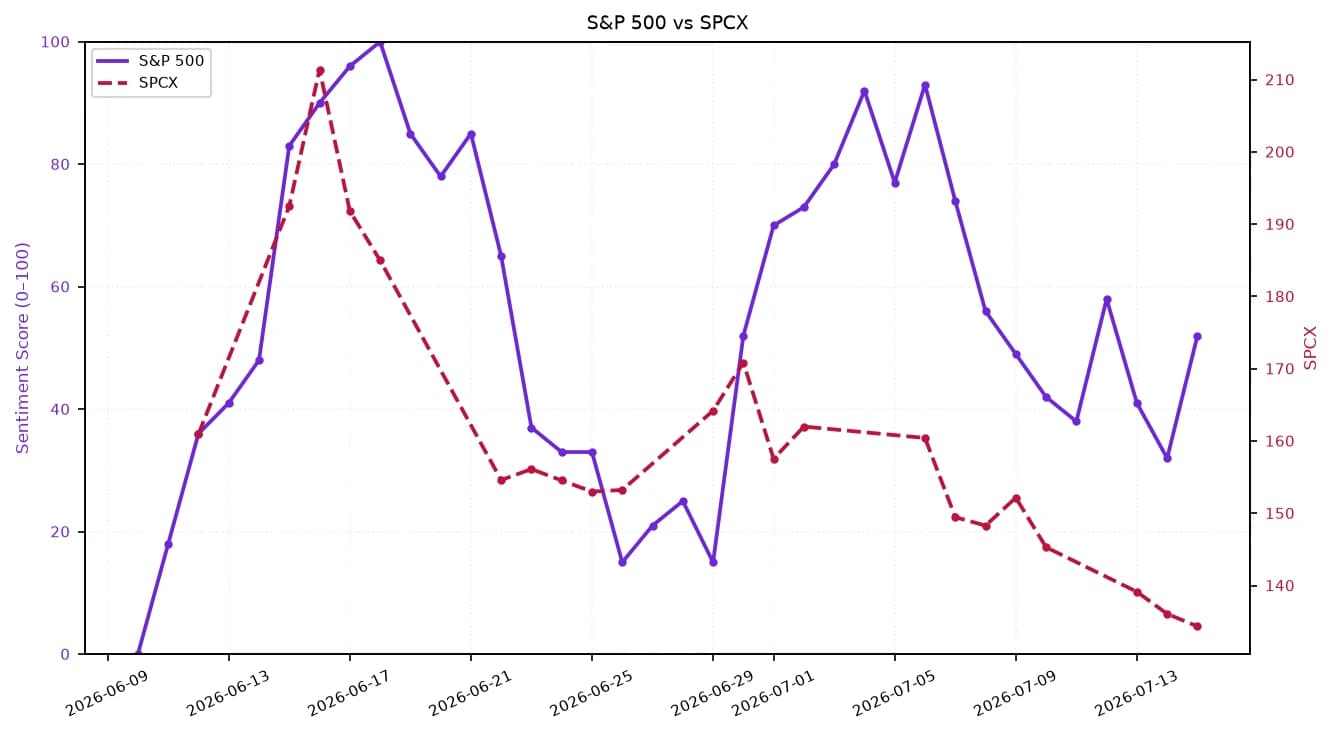
Sentiment IndicatorsⓘProprietary · adalytica.com · September 23, 2026
This is a snapshot — live sentiment, awareness and momentum for 130+ markets update continuously in the dashboard.Open AlphaPulse
The Ministry’s estimate, published in its 2027-2029 socio-economic development outlook, suggests inflationary pressure is expected to persist rather than fade quickly. That makes the central bank’s job harder: tightening policy too much could slow credit and consumption, while moving too slowly risks allowing expectations to become embedded. For investors, the main issue is not just the headline rate but what it implies for real returns, local borrowing costs and the durability of domestic demand.
Kyrgyzstan has been vulnerable to regional price shocks because of its dependence on imports and its exposure to external currency and commodity swings. With Russia still a key trading partner and source of spillover demand, any volatility in the wider region can quickly show up in local prices. That leaves the inflation outlook tied as much to geopolitics and energy markets as to domestic fiscal policy.
The bull case is that inflation could moderate faster if global commodity prices ease and supply chains remain stable. The bear case is that food and fuel shocks, a weaker som or stronger import demand keep price growth sticky, forcing policymakers to tolerate slower growth in order to contain inflation.
For bondholders, lenders and retailers, the 11% projection is a warning that pricing power, funding costs and consumer affordability will remain central risks through 2026. For households, it points to continued pressure on real incomes. For policymakers, it is a reminder that the path back to lower inflation may be longer and more uneven than hoped.
| Entity | Gains | Losses |
|---|---|---|
| Kyrgyz exporters/re-exporters | ▲Higher nominal revenues | ▼Stronger inflation uncertainty |
| Kyrgyz households | ▲None | ▼Lower real purchasing power |
| Central bank/policymakers | ▲Policy urgency | ▼Easier inflation control |
| Local lenders/importers | ▲Higher nominal loan demand | ▼Higher rates and input costs |