Soybean, paddy and mustard gained in Kota’s Bhamashah Mandi on Saturday even as bullion prices fell sharply, underscoring a split market in which farm-commodity demand stayed firm while precious metals were pressured by broader global moves.
Kota Bhamashah Mandi Soybean Mustard Rise, Bullion Falls
The day’s trading matters for Rajasthan farmers and traders because it points to resilient spot demand in key oilseeds and grains despite a heavy arrival of about 2.5 lakh bags. Soybean rose Rs 150 a quintal, paddy gained Rs 150 and mustard added Rs 100, while urad also advanced Rs 50. Garlic traded in a wide Rs 5,400 to Rs 20,000 a quintal range, reflecting uneven quality and localised demand.
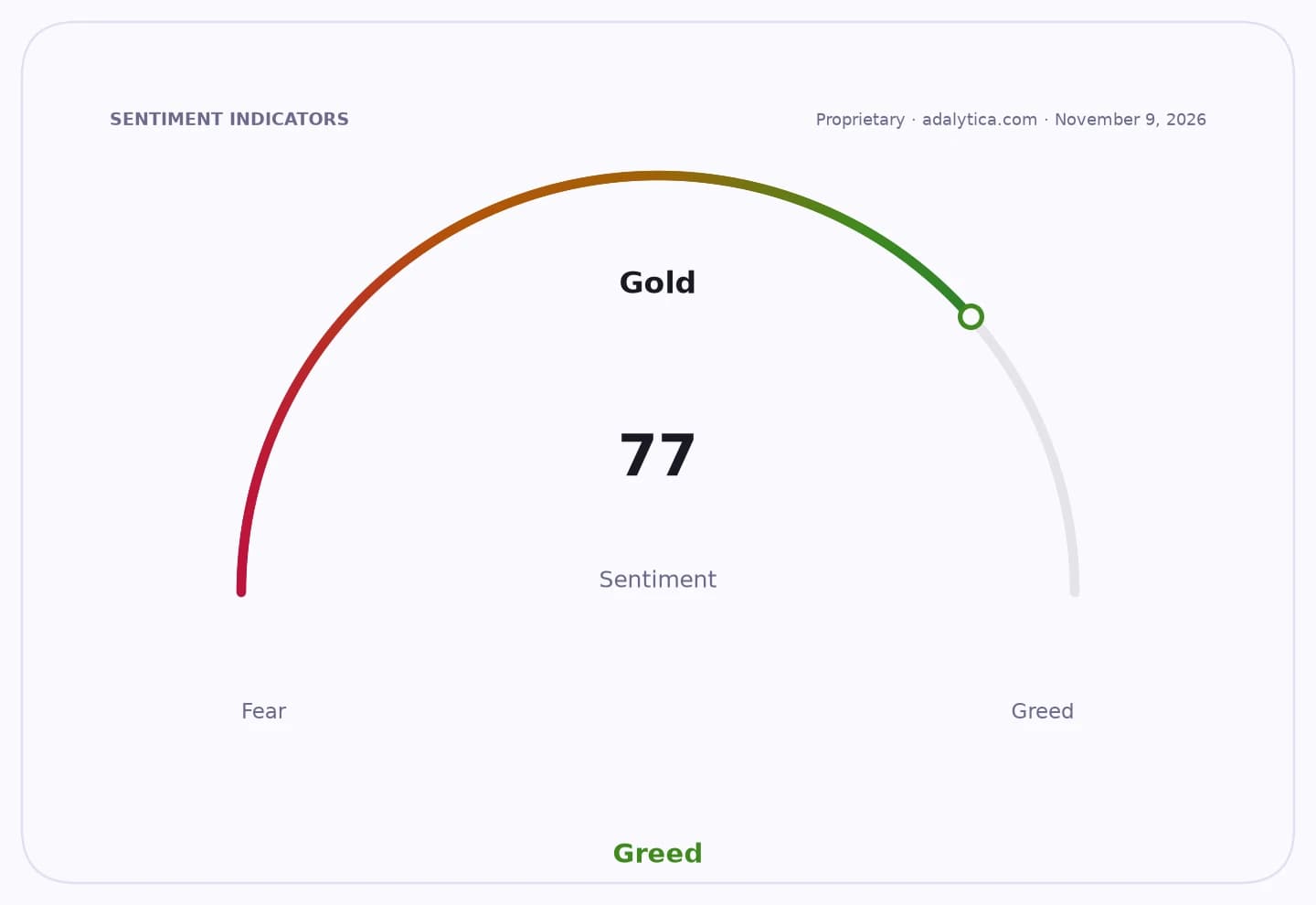
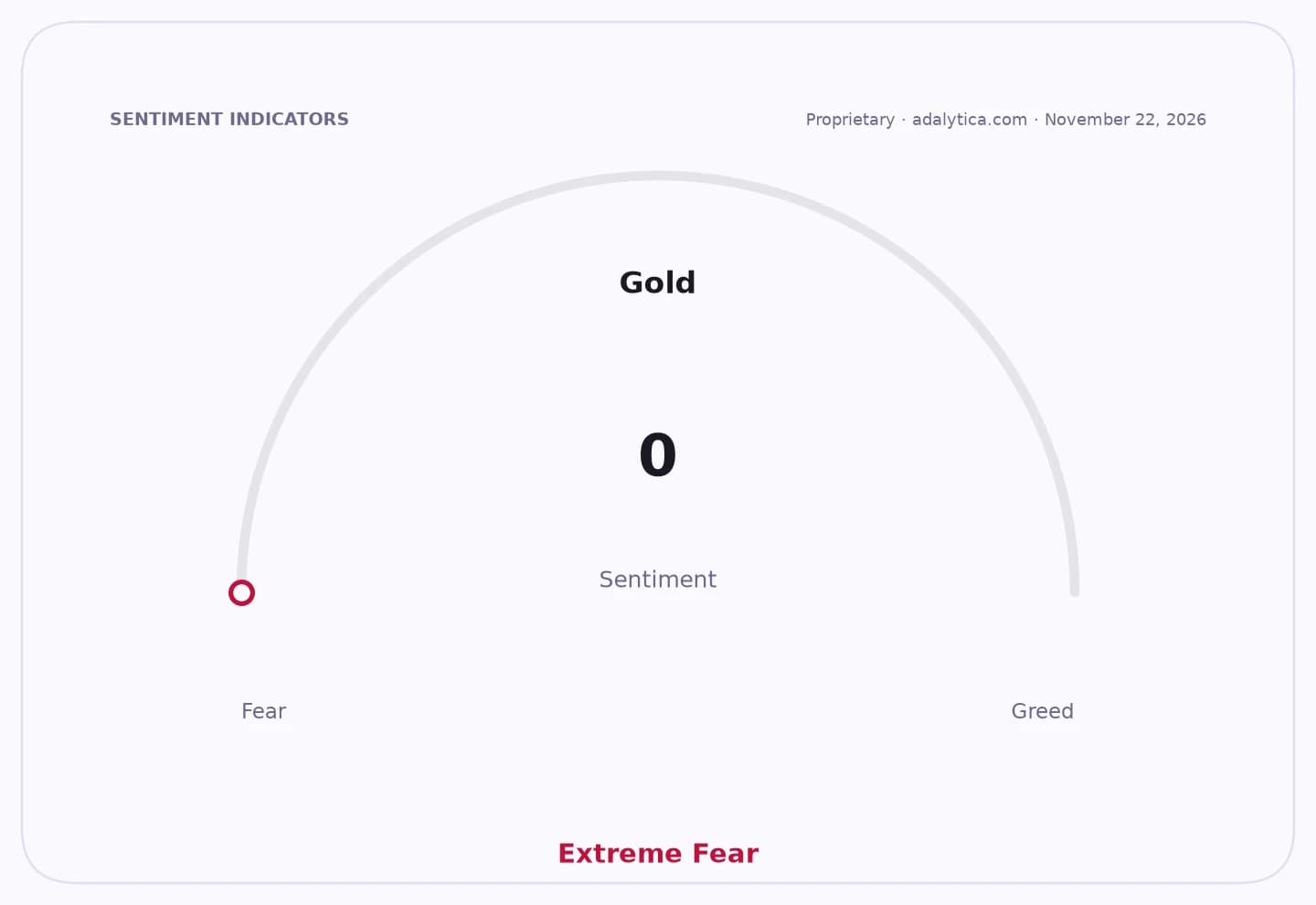
Sentiment Indicators
The bullish tone in agricultural prices is important because higher mandi rates can improve farmgate realizations ahead of the rabi marketing cycle, especially for oilseeds such as mustard, which are closely watched in northwestern India. For processors and stockists, firmer prices alongside large arrivals suggest the market is still absorbing supply rather than clearing it at weaker levels.
By contrast, the bullion market in Kota took a clear hit. Silver fell Rs 3,000 to Rs 1,54,000 a kilogram, while jewellery gold dropped Rs 1,500 to Rs 1,27,000 per 10 grams and pure gold was quoted at Rs 1,27,700. The decline mirrors global pressure on bullion, where gold has been under strain from expectations of higher US interest rates and a stronger dollar environment.
That macro backdrop is already visible in gold-linked market gauges. The Adalytica Gold Fear & Greed Index showed “Extreme Fear” in sentiment even as awareness remained at “Extreme Greed,” a sign that attention in the market is high but conviction is weak. Conventional technical indicators on the GLD exchange-traded fund also point to softness, with the fund trading below both its 50-day and 200-day moving averages and RSI readings in oversold territory.
The divergence between agri commodities and bullion matters because it highlights two very different forces at work: local supply-demand conditions in agricultural mandis and global monetary pressure on precious metals. For investors, it means rural incomes, processors and agri-commodity merchants may see a firmer near-term pricing backdrop, while bullion traders remain exposed to policy-driven volatility.
With Bharmashah Mandi closed on November 24 for Kartik Purnima, the next price test will come when trading resumes and buyers and sellers reassess supplies, festival-linked demand and the impact of global commodity moves. If arrivals stay heavy but oilseed prices hold, it would reinforce the view that demand is absorbing supply; if bullion weakness deepens, it will underline how closely domestic gold and silver remain tied to overseas rates and risk appetite.
| Entity | Gains | Losses |
|---|---|---|
| Farmers selling soybean, paddy, mustard | ▲Better mandi realizations | ▼ |
| Oilseed processors and buyers | ▲Stable access to supply | ▼Higher procurement costs |
| Gold and silver traders | ▲ | ▼Lower bullion prices |
| Consumers of jewellery and precious metals | ▲Cheaper buying opportunity | ▼ |