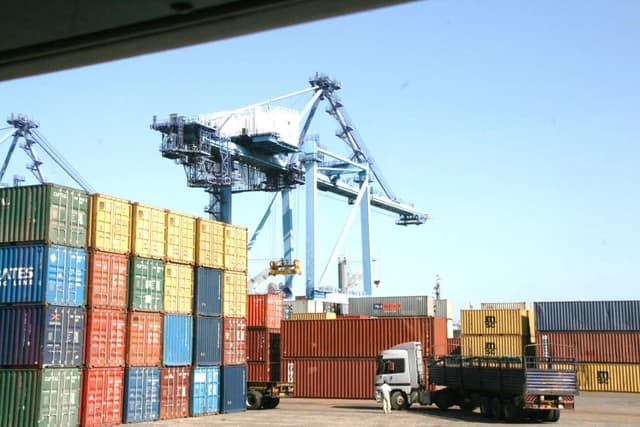
The Kenyan shilling weakened modestly against the US dollar as the country’s foreign exchange reserves fell by KSh 21 billion in a week, trimming a key buffer that helps the central bank smooth currency volatility and meet import demand.
Kenyan shilling weakens as reserves fall
The shilling traded at KSh 129.62 per dollar on Sept. 17, compared with KSh 129.45 a week earlier, according to the Central Bank of Kenya’s weekly bulletin. The move was small, but it came alongside a drop in reserves to $15.088 billion from $15.253 billion, equivalent to 6.1 months of import cover.
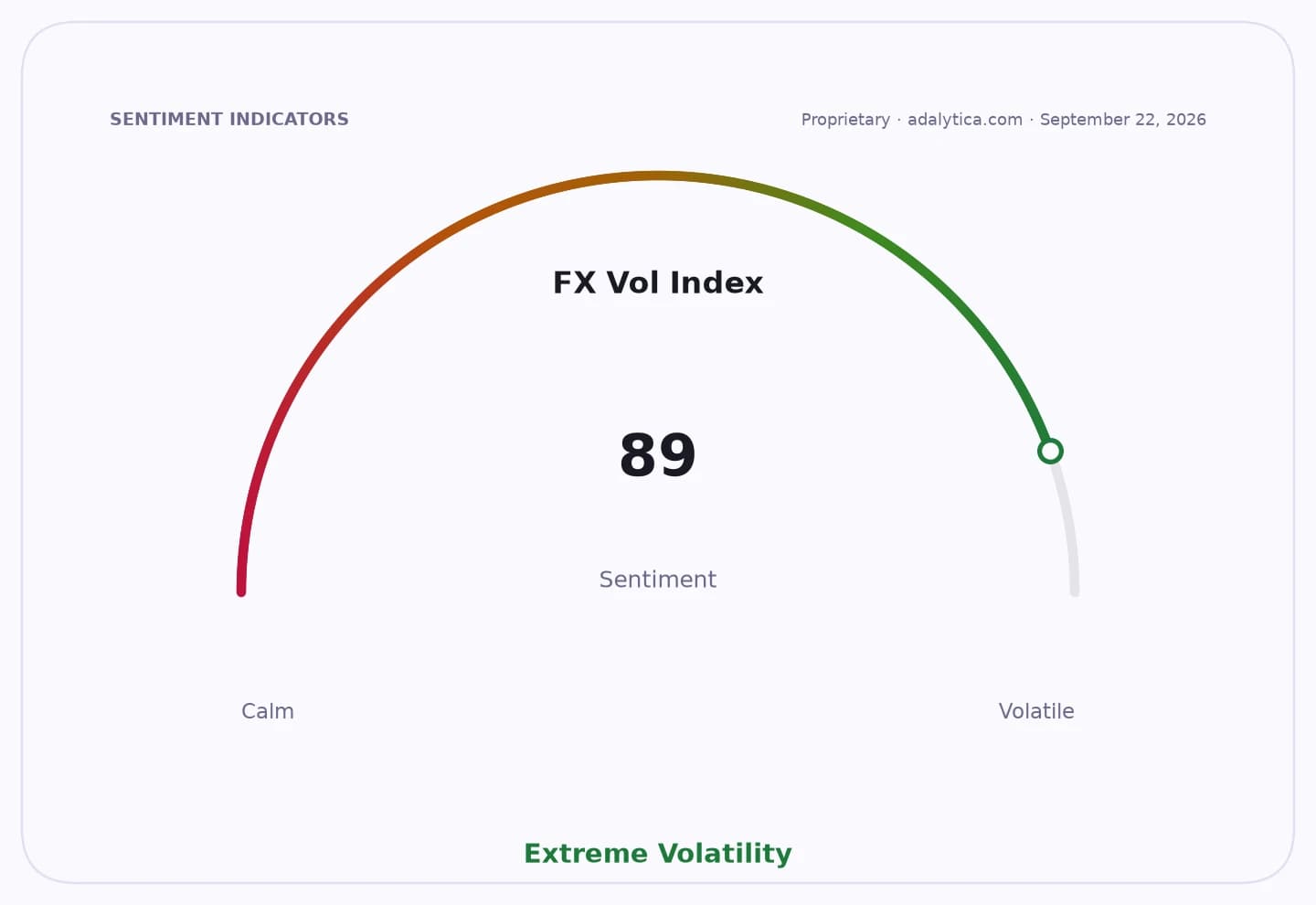
Sentiment IndicatorsⓘProprietary · adalytica.com · September 22, 2026
This is a snapshot — live sentiment, awareness and momentum for 130+ markets update continuously in the dashboard.Open AlphaPulse
That matters because reserve levels are one of the clearest gauges of external resilience. Kenya still sits well above the CBK’s statutory minimum of four months of import cover, so the decline does not point to immediate stress. But a sustained erosion would narrow the bank’s room to defend the currency if dollar demand rises, especially at a time when global funding conditions remain sensitive to US policy.
For investors, the key takeaway is that the shilling remains broadly stable, but not immune to shifts in reserve dynamics and broader dollar strength. Even a marginal move in the exchange rate can matter for importers, fuel pricing, debt servicing and inflation expectations in an economy that relies heavily on imported goods and external financing.
The CBK said the shilling was stable against major international and regional currencies over the review period, suggesting the central bank still has enough ammunition to manage near-term pressure. But the combination of a firmer dollar environment and lower reserves raises the bar for sustained currency stability. If reserve losses continue, markets are likely to watch more closely for signs of intervention, tighter liquidity conditions or pressure on domestic prices.
| Entity | Gains | Losses |
|---|---|---|
| Kenyan importers | ▲Short-term price stability | ▼Higher dollar-cost exposure |
| CBK | ▲Still has adequate reserve cover | ▼Less room to absorb shocks |
| Exporters with dollar revenue | ▲More valuable foreign earnings | ▼None from this move |
| Local borrowers with FX obligations | ▲— | ▼Higher repayment burden |