Kenya’s biggest economic opportunity right now may be hiding in plain sight: cheaper credit. President William Ruto used the Central Bank of Kenya’s 60th anniversary to press lenders to pass on the country’s improved stability to households and businesses through lower borrowing costs, arguing that financial calm only matters if it translates into more investment, more jobs and more growth.
Kenya Ruto pushes banks to cut lending rates

That matters because Kenya’s economy has spent the past two years doing the hard part — stabilising inflation, easing pressure on the shilling and calming markets after a stretch of tight monetary policy. The next phase is harder and more important: turning that stability into real credit flow for farms, factories, small firms and consumers. If banks keep lending at rates that many borrowers cannot afford, the recovery stays narrow and growth remains dependent on government support rather than private-sector expansion.
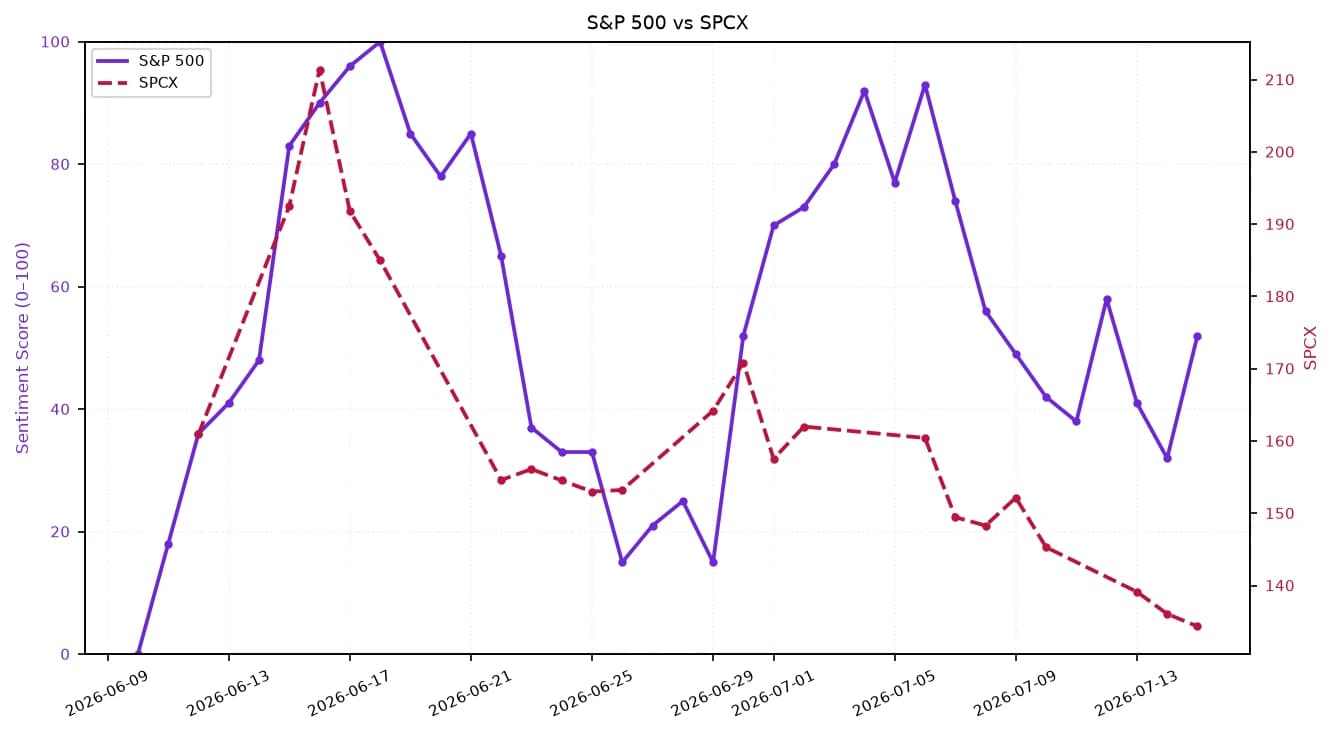
Sentiment IndicatorsⓘProprietary · adalytica.com · September 22, 2026
This is a snapshot — live sentiment, awareness and momentum for 130+ markets update continuously in the dashboard.Open AlphaPulse
Ruto said average lending rates had fallen to 14.39% in July, but insisted the cost of money was still too high for many Kenyans. That is the heart of the story for investors and policymakers alike. Lower rates can help revive loan growth, support small and medium-sized businesses and improve the odds of stronger consumption and capital spending. But if banks hesitate, or if credit quality weakens, the benefits of easier policy may take much longer to reach the real economy.
The president’s message also reinforces a broader policy shift: Kenya wants its financial system to do more than preserve stability. It wants banks to intermediate savings into productive investment, not simply hold a comfortable margin between deposits and loans. That is a healthy ambition for a country that still needs financing for infrastructure, exports, technology and manufacturing, and where access to affordable credit remains a binding constraint on growth.
For investors, that creates a clear long-term lens on Kenyan lenders. Banks can benefit if lower rates unlock borrowing demand without a sharp rise in bad loans. But they also face pressure from regulators and politicians to narrow lending spreads and lend more broadly, just as credit stress is still visible in parts of the market. The opportunity is bigger loan volumes and a healthier economy over time; the risk is margin compression and deteriorating asset quality if underwriting slips.
Ruto also tied the domestic message to a wider African one, urging deeper regional financial integration and pointing to about $4 trillion in financial assets across the continent. That part is aspirational, but it fits the same theme: African growth will depend less on imported capital and more on mobilising local savings into productive use. For Kenya’s banks, the next few years may be judged not by how protected they are, but by how effectively they help finance the next leg of the economy’s expansion.
| Entity | Gains | Losses |
|---|---|---|
| Households and SMEs | ▲Cheaper access to loans | ▼High borrowing costs |
| Kenyan banks | ▲Bigger loan demand over time | ▼Pressure to cut margins |
| Kenyan economy | ▲More private investment and jobs | ▼Credit constrained growth |
| Borrowers in risky sectors | ▲Easier refinancing, more liquidity | ▼Stricter underwriting if banks stay cautious |