Kazakhstan is bracing for a short-lived inflation surge in early 2026 as a tax reform lifts prices, but officials and bankers expect the shock to fade by year-end, a path that could keep borrowing costs elevated through most of the year before policy finally turns more supportive.
Kazakhstan inflation and rates seen staying high in 2026
The key issue for markets is not the initial price jump itself, but what it implies for the rate-setting cycle, credit growth and the tenge. Elena Bakhmutova, chair of the Council of the Kazakhstan Financial Association, said the impact of the fiscal overhaul — including a rise in value-added tax from 12% to 16% — should show up as a temporary burst of inflation, but be “absorbed” by the end of 2026. That view sits broadly in line with the National Bank’s inflation forecast of 9.5%-12.5% for next year and helps explain why the central bank is seen holding rates tight in the first half of 2026.
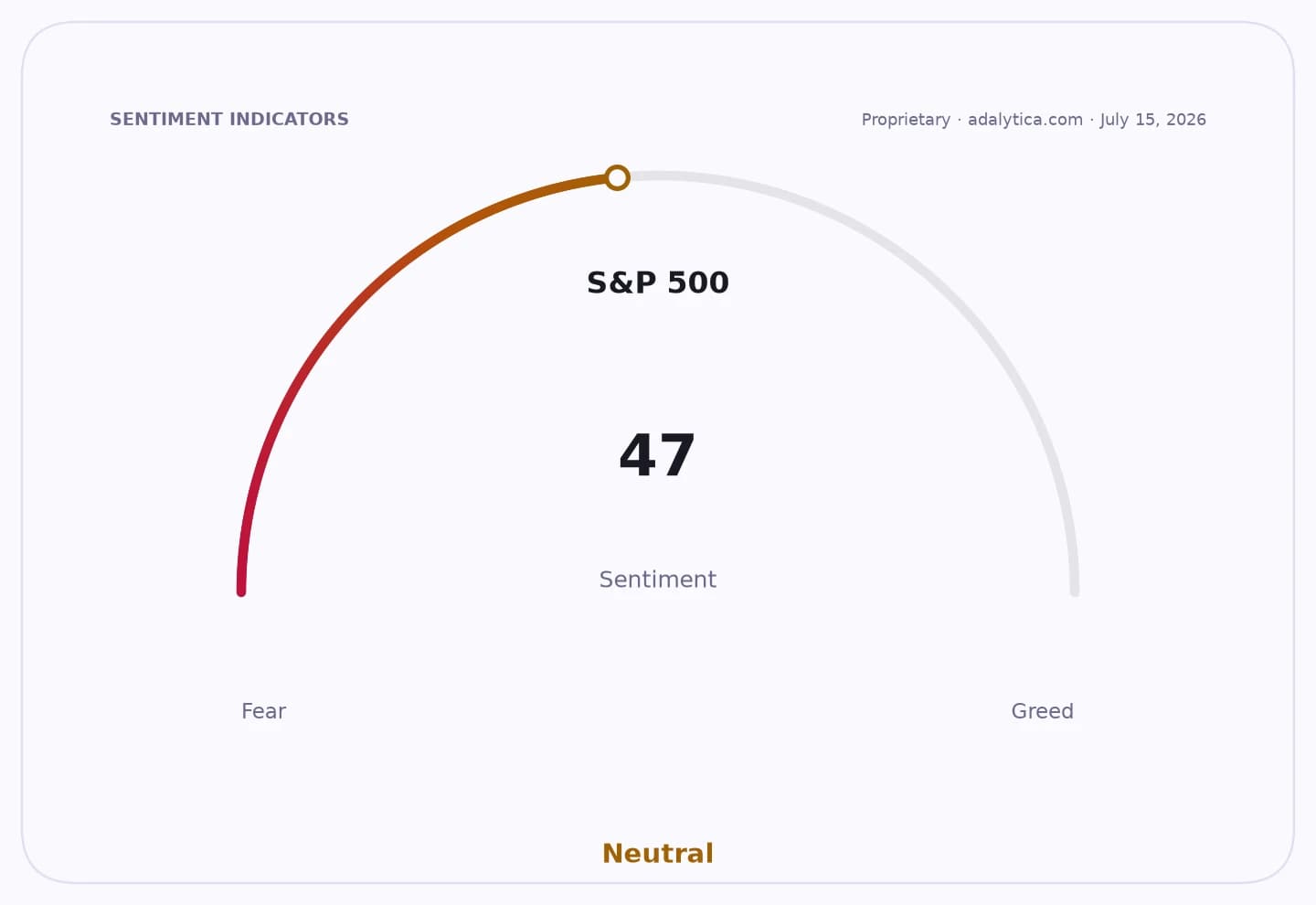
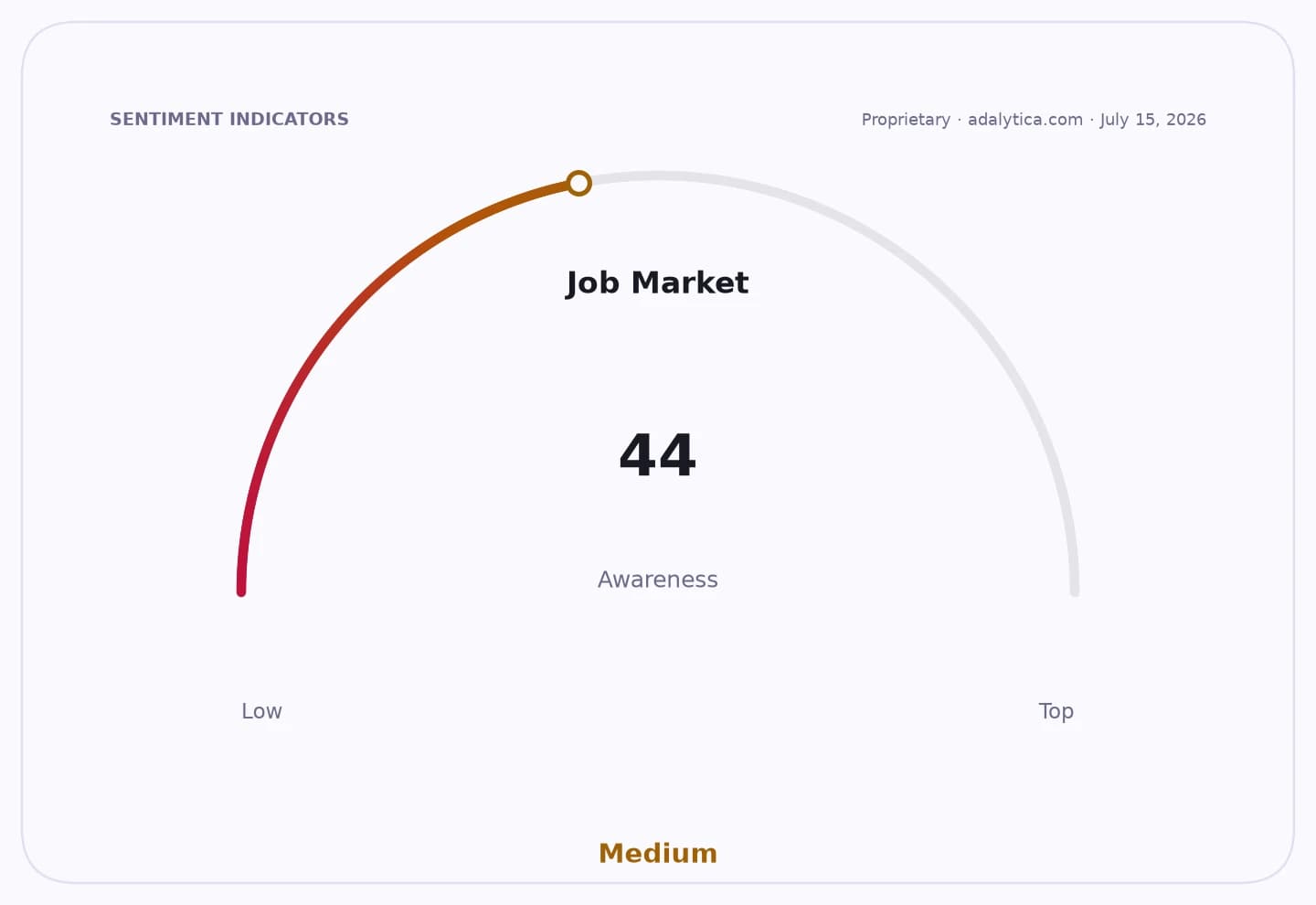
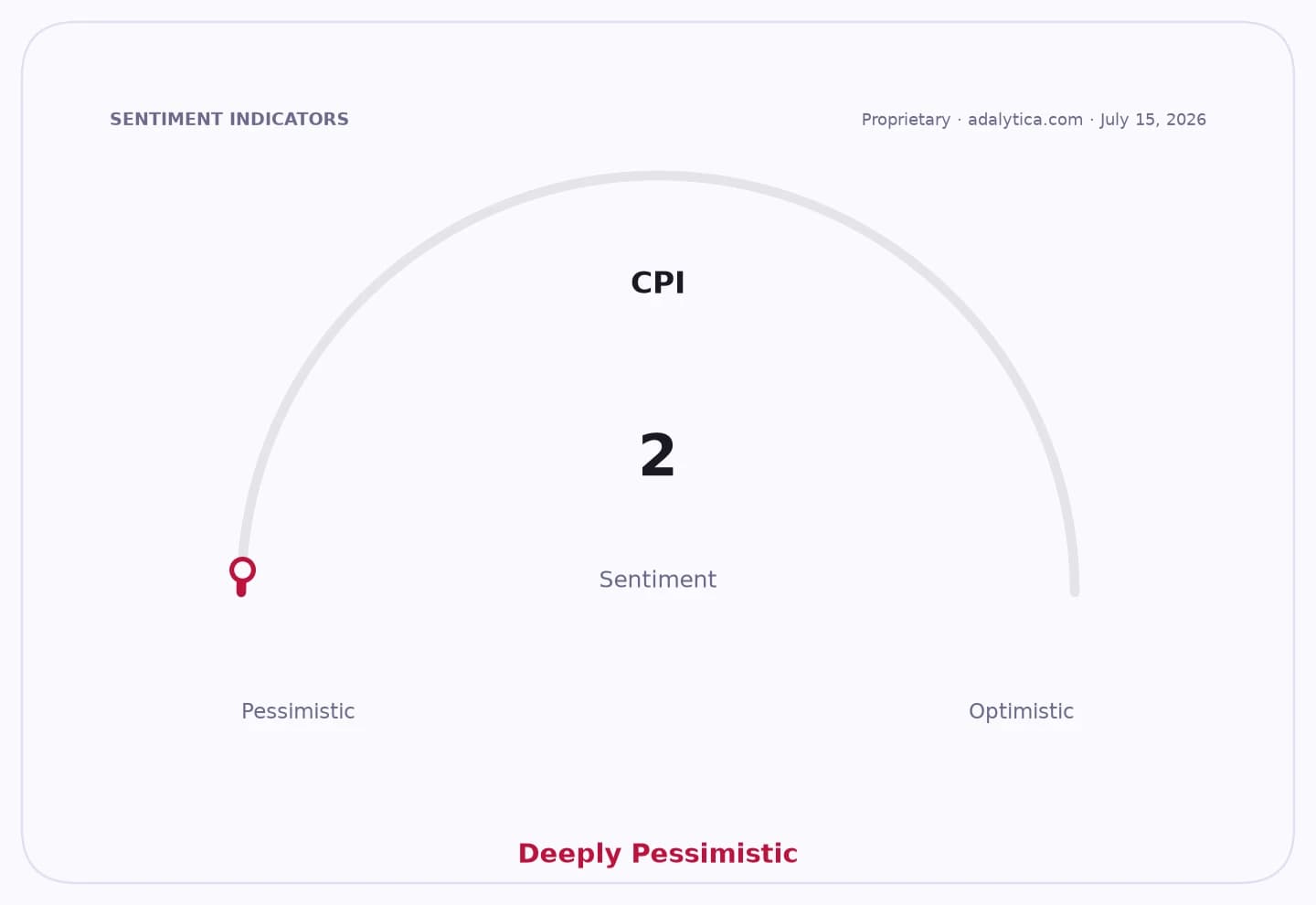
Sentiment IndicatorsⓘProprietary · adalytica.com · September 22, 2026
This is a snapshot — live sentiment, awareness and momentum for 130+ markets update continuously in the dashboard.Open AlphaPulse
For borrowers, that means another year of expensive money. Kazakhstan’s policy rate has already climbed to 18%, the highest since 1999, after inflation reached double digits in 2025. Bakhmutova said market lending would be close to prohibitive at those levels, leaving the quasi-state sector and the budget to carry much of the burden of credit support. That is economically important because it points to a more state-directed allocation of capital, even as the government leans on fiscal stimulus to sustain growth.
The mix also matters for the currency. A stronger inflation print in early 2026 would typically strengthen expectations for a cautious central bank, supporting the tenge in the short run, but Bakhmutova warned that weaker energy prices, heavier imports tied to investment projects and a softer trade balance could pressure the currency later in the year. She expects the tenge to weaken to around 550 per dollar by end-2026, versus a budget assumption near 540.
The broader narrative is one of policy trade-offs. The tax reform may give the state more room to fund spending and investment, but it also risks reviving inflation before easing eventually takes hold. That leaves investors weighing two competing forces: near-term support from fiscal outlays and a still-tight monetary stance, against the eventual possibility of lower rates, softer inflation and improved credit conditions if the shock does fade as expected.
The market signal so far is consistent with that tension. U.S. inflation-linked bonds have shown some volatility, while dollar strength has firmed in recent sessions, underscoring how sensitive global rates and currency markets remain to inflation surprises. In Kazakhstan, the main beneficiaries of the current setup are banks and budget-linked lenders with access to state funding, while consumer borrowers, mortgage seekers and private-sector credit demand are likely to remain under pressure until inflation decisively cools.
| Entity | Gains | Losses |
|---|---|---|
| Kazakhstan government | ▲More tax revenue | ▼Higher near-term inflation |
| National Bank of Kazakhstan | ▲Policy room to stay tight | ▼Pressure to keep rates high |
| Quasi-state lenders | ▲Funding role expands | ▼Private credit growth crowded out |
| Borrowers and households | ▲Potential rate relief later | ▼Higher costs in 2026 |