Inflation is still running hot across the U.S. economy, Minneapolis Fed President Neel Kashkari said, reinforcing the case for more tightening even as oil-market shocks add fresh pressure to prices.
Neel Kashkari backs more Fed tightening on inflation
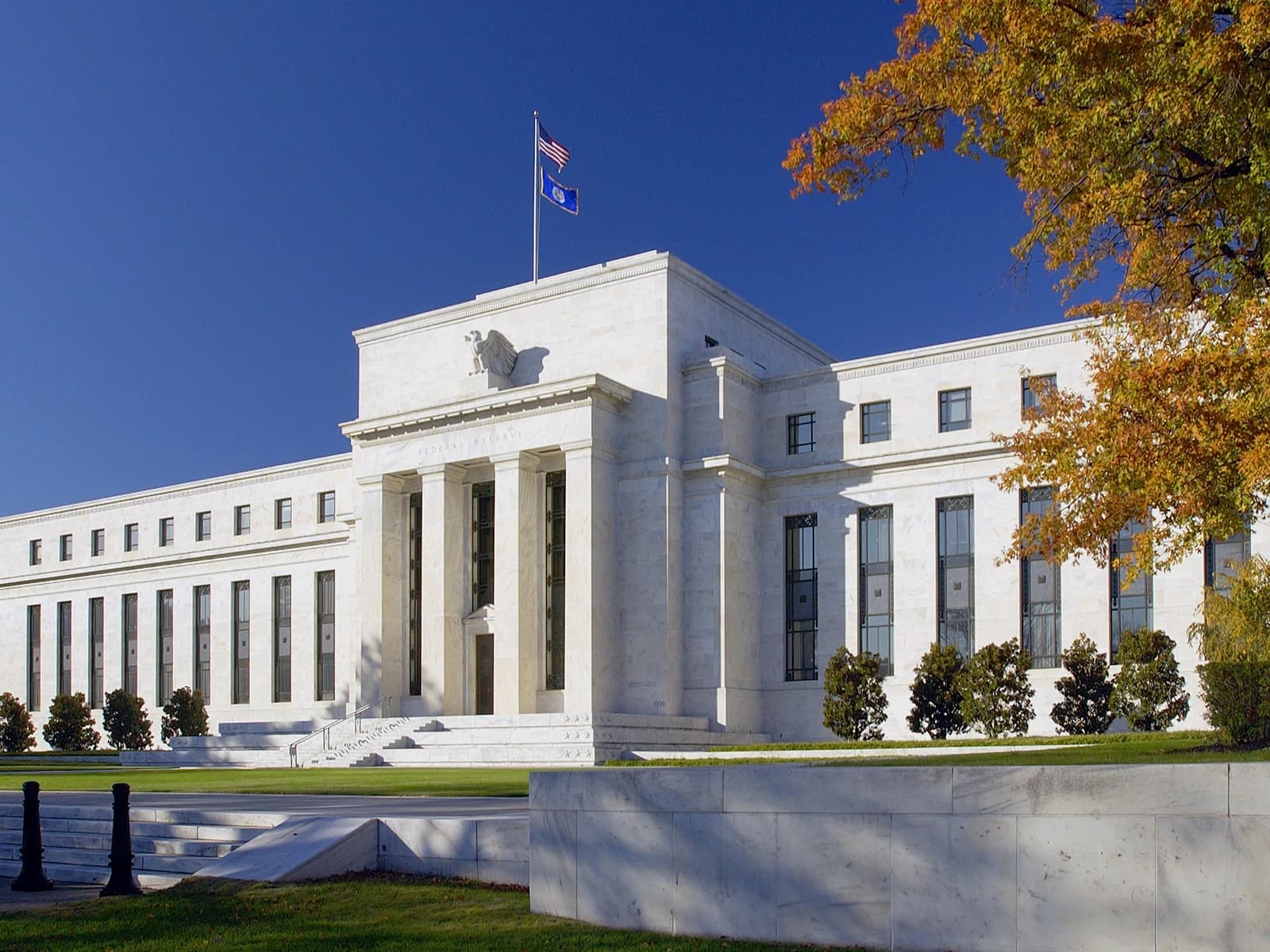
Kashkari said Sunday that inflation remains “very high” in services and other areas of the economy, not just in energy, and argued the Federal Reserve’s job is to bring it back to its 2% target. His comments underscore how reluctant policymakers remain to declare victory after last week’s unanimous quarter-point rate increase to 3.75%-4.00%.
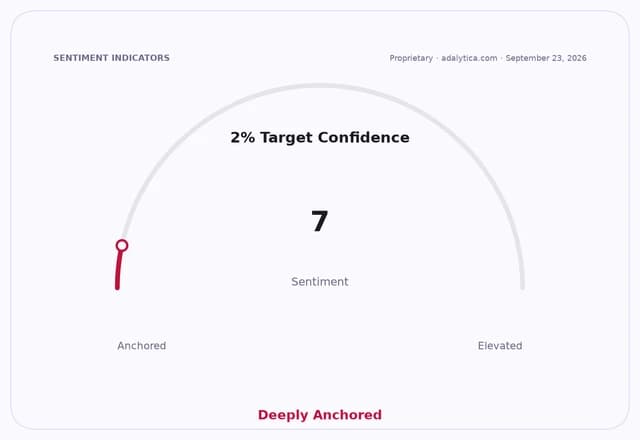
Sentiment IndicatorsⓘProprietary · adalytica.com · September 23, 2026
This is a snapshot — live sentiment, awareness and momentum for 130+ markets update continuously in the dashboard.Open AlphaPulse
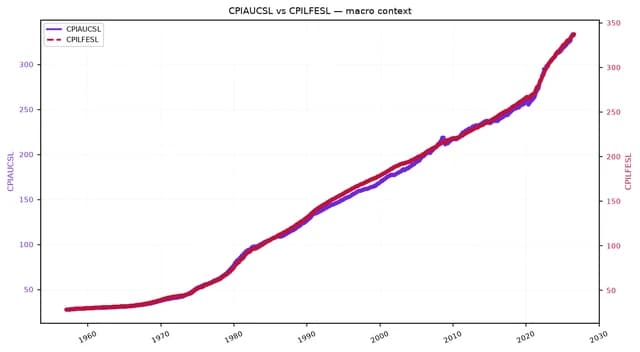
The message matters for markets because it keeps the door open to another hike this year and pushes back against hopes that the Fed may be close to finishing its campaign. In the latest projections, all but two officials saw at least one more quarter-point increase, while fed funds futures imply a 66.7% probability the policy rate ends 2026 in the 4.00%-4.25% range and could rise again by mid-2027.
Kashkari also tied the inflation outlook to geopolitics, saying the Fed cannot do anything about oil prices if conflict in the Middle East disrupts the Strait of Hormuz or raises crude further. That distinction matters economically because energy shocks can feed into transport, production and services costs, making inflation harder to contain even if headline readings are flattered by temporary swings.
Bond markets and the dollar reflected that tougher-for-longer backdrop. The iShares 20+ Year Treasury Bond ETF, TLT, has slipped to 80.58 from 88.45 earlier this year, while the Invesco DB US Dollar Index Bullish Fund, UUP, has climbed to 28.66, with the dollar benefiting from safe-haven demand and tighter-rate expectations.
For investors, the risk is that sticky inflation keeps Treasury yields elevated, supports the dollar and constrains valuation multiples across rate-sensitive assets. The next test is whether upcoming inflation data confirm Kashkari’s view that price pressures remain broad, or whether cooling services costs give Fed officials more room to pause.
| Entity | Gains | Losses |
|---|---|---|
| U.S. dollar | ▲Safe-haven demand, tighter-rate bets | ▼Exporters, multinationals |
| Treasury bulls | ▲Inflation alarm, higher policy-rate odds | ▼Long-duration bond holders |
| Fed hawks | ▲Policy case for more tightening | ▼Doves, rate-cut hopefuls |
| Borrowers | ▲— | ▼Housing, leveraged sectors |