China’s newly completed G331 border highway in Jilin is turning one of the country’s least accessible frontiers into a tourism and local commerce corridor, with traffic surging more than fivefold during the first major holiday after opening and cross-border visitor flows giving small businesses a new source of income.
Jilin G331 Highway Lifts Border Tourism
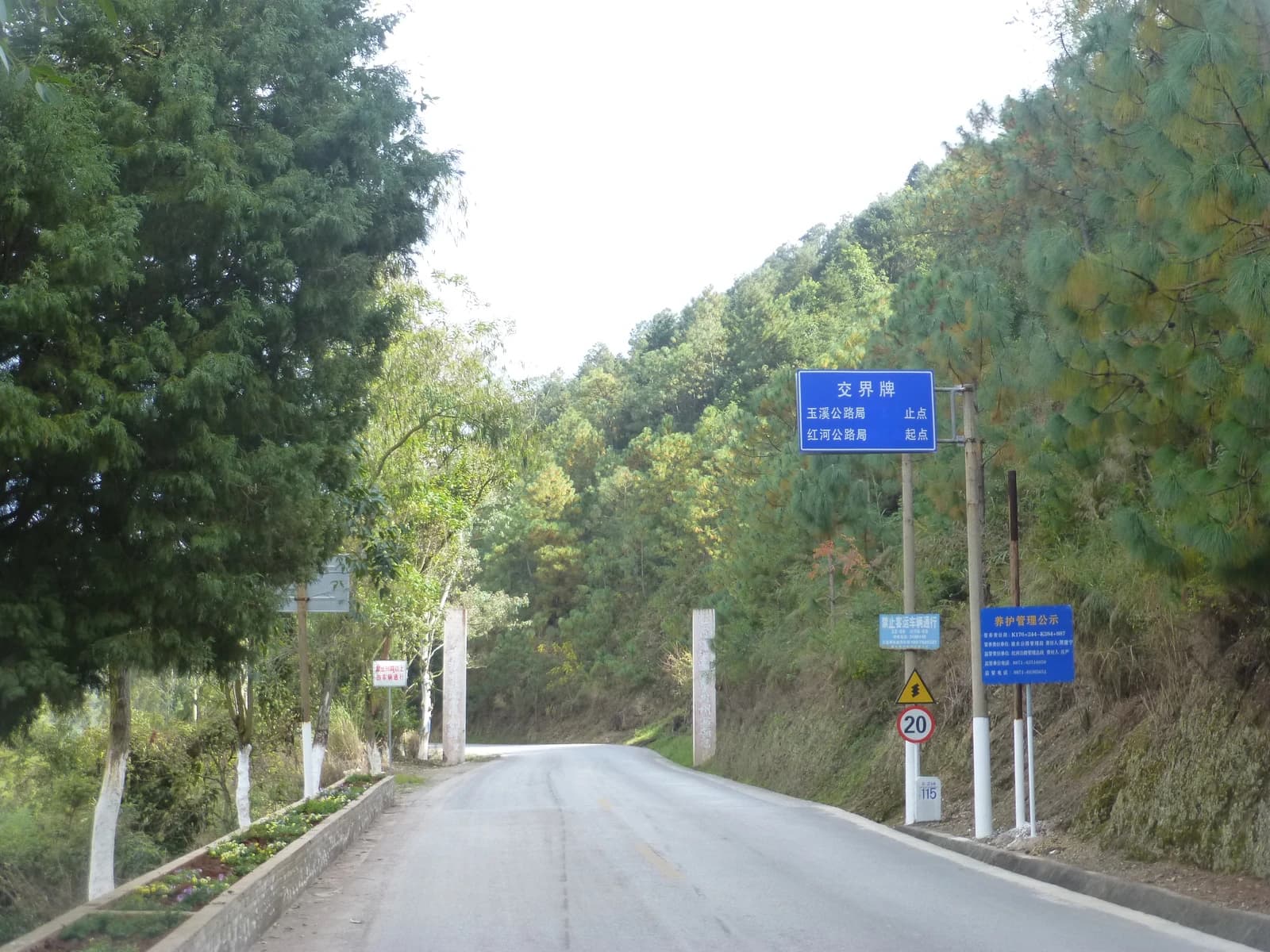
That matters because the road is doing more than moving cars. It is lowering the cost of access to border villages, scenic sites and ports that were previously difficult to reach, creating demand for hotels, homestays, food services and branded agricultural products. For a region where geography long constrained economic activity, better transport is now acting as a policy tool for development, helping Beijing push growth deeper into the interior and along strategic borderlands.
Sentiment IndicatorsⓘProprietary · adalytica.com · September 22, 2026
This is a snapshot — live sentiment, awareness and momentum for 130+ markets update continuously in the dashboard.Open AlphaPulse
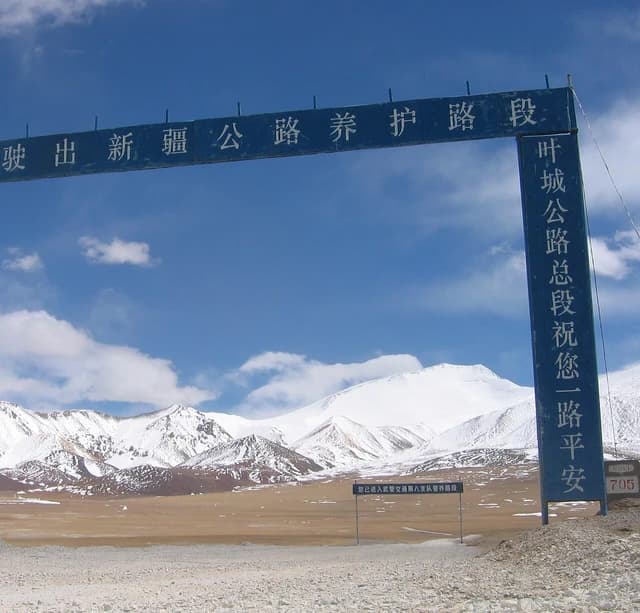
The Jilin section of National Highway G331, which runs 1,240 kilometers along the province’s frontier, fully opened to traffic in September 2025. During the Mid-Autumn Festival and National Day holiday, traffic along the route topped 307,000, up 410.82% from a year earlier, with a daily peak of 50,100. That kind of jump signals not just a travel spike, but a structural change in how the region can monetize scenery, history and local produce.
The economic logic is straightforward. Villages that once struggled to move fresh fruit or attract visitors are now becoming destination businesses. In Baoshan Village, blueberry farming has been transformed by road access and cold storage into a wider product line of dried berries, jam and wine, lifting annual income by more than 10 million yuan and pushing per-capita income up by over 20,000 yuan. In other places, locals are packaging soybean paste, jujube juice and forest honey as standardized souvenirs for tourists and livestream shoppers. The shift from raw-output selling to experience-led consumption is the difference between marginal rural livelihoods and a more durable local services economy.
The clearest immediate winners are households, small entrepreneurs and county governments looking for tax base growth. A retired soldier in Hunchun has turned an idle farmhouse into a border-themed homestay, while another resident returned from city life to open a countryside cafe after seeing footfall rise. Those are small-scale businesses, but together they point to a broader rural commercialization story: roads can create the foot traffic needed for local capital formation where heavy industry is absent.
Hunchun, at the eastern end of the route and Jilin’s only land port open to Russia, shows how infrastructure and policy are reinforcing each other. Easier travel under visa-free arrangements has helped push passenger traffic through Hunchun Port to a record 754,000 in 2025. Russian visitors are increasingly using traditional Chinese medicine, acupuncture and short wellness stays, suggesting a move from transit tourism to longer-duration spending with higher per-capita value.
That is important for investors because it speaks to the quality of China’s domestic demand rather than just its scale. Road infrastructure, border opening-up and tourism upgrades can support consumption in sectors that are relatively insulated from export weakness or property-sector softness. If the pattern persists, beneficiaries could include local hospitality operators, consumer brands tied to regional specialties, transport-related services and, more broadly, listed companies exposed to China’s internal travel economy.
There is also a geopolitical and strategic layer. Beijing has said it will upgrade three major corridors — G219 in the west and south, G331 in the north and G228 along the coast — into a “golden outer ring” of land and coastal connectivity stretching more than 26,000 kilometers. The policy is designed to bind remote regions more tightly to national markets while improving cross-border logistics and supporting opening-up along the perimeter. That could help reduce transport costs for border provinces, but it also reflects a longer-term state objective: using infrastructure to strengthen development, security and regional integration at the same time.
For markets, the message is less about a single highway than about the continuation of China’s infrastructure-led regional development model at a time when growth remains fragile. Better roads can unlock consumption in places that were previously off the map, but the scale of the payoff will depend on whether tourism, logistics and local manufacturing can keep converting access into repeat income. The bull case is that G331 becomes a template for border economies across the country. The bear case is that the surge fades once the novelty wears off, leaving only maintenance costs and seasonal traffic.
| Entity | Gains | Losses |
|---|---|---|
| Jilin border villages | ▲More tourists and sales | ▼Isolation and weak access |
| Local households and homestays | ▲Higher service income | ▼Idle assets and low footfall |
| Tourists and cross-border visitors | ▲Easier travel and more attractions | ▼Time-consuming, difficult routes |
| Competing remote regions | ▲Policy precedent for upgrades | ▼Relative neglect and slower traffic |