A notice from Japan’s pension system that can add up to 5,620 yen a month to low-income retirees is being mistaken for fraud, raising the risk that vulnerable pensioners throw away a benefit they may be eligible to claim.
Japan pension support benefit may be mistaken for scam
The issue matters because the “pensioner support benefit” is designed to top up public pensions for older people whose income falls below a set threshold. For retirees living on about 70,000 yen a month, the extra payment can meaningfully offset food, utility and healthcare costs in a country where inflation has outpaced many fixed incomes.
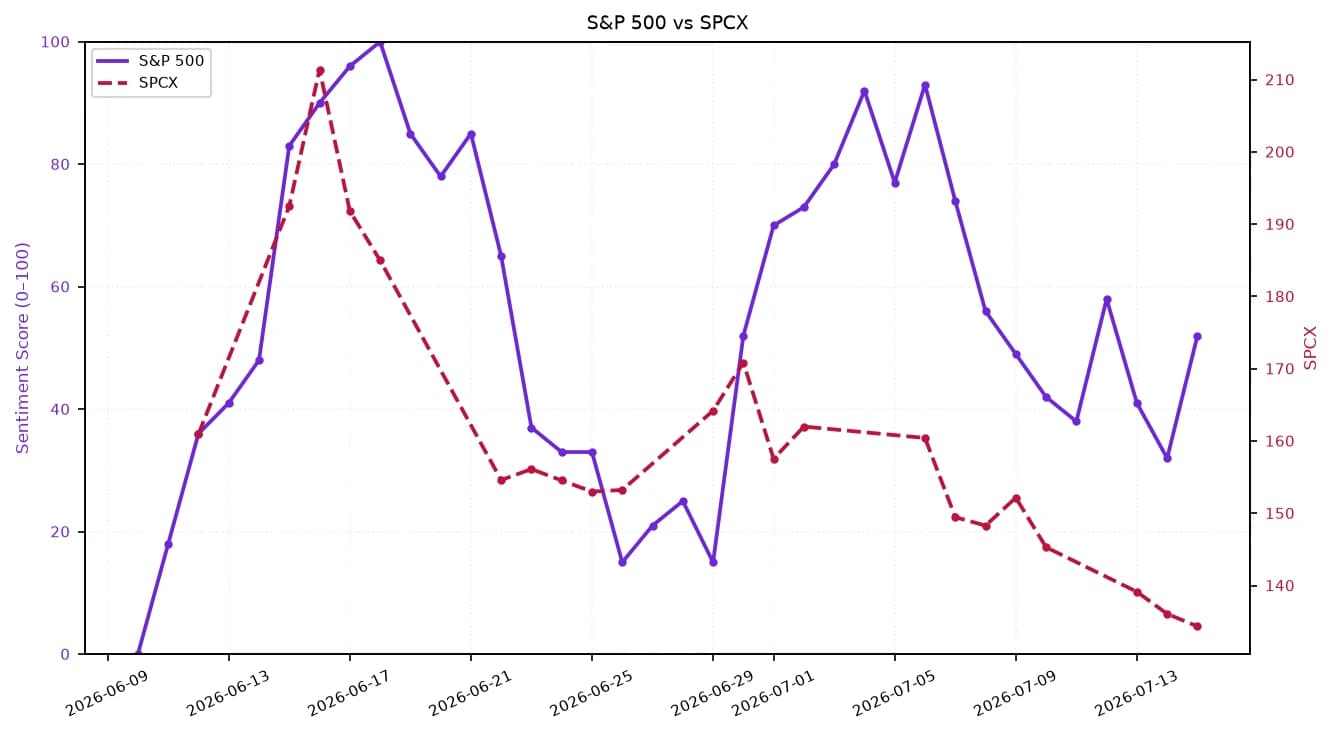
Sentiment IndicatorsⓘProprietary · adalytica.com · September 22, 2026
This is a snapshot — live sentiment, awareness and momentum for 130+ markets update continuously in the dashboard.Open AlphaPulse
Japan Pension Service sends claim forms in early September to people who newly qualify for the benefit, but recipients must generally complete the application process to receive it. That creates a practical problem: an official envelope can look indistinguishable from the scam mail that regularly targets older households, especially when it is labeled generically as a “benefit” notice.
The service and the health ministry have warned that they will not ask for bank account numbers or PINs by phone, and they do not request fees. Still, the confusion underscores a broader trust gap around public benefits and the administrative burden placed on elderly households, particularly those with limited digital access or family support.
Eligibility is not determined by pension income alone. For old-age basic pension recipients, the test includes age, household tax status and total annual pension-and-other income. A monthly pension of 70,000 yen, or 840,000 yen a year, can fall within the income ceiling in some cases, but other income and household tax status still matter, so not every low-pension household qualifies.
For investors, the immediate market impact is limited, but the policy signal is important. Japan’s aging population is pushing demand for targeted welfare top-ups, while the state’s ability to deliver them efficiently is becoming more important as retirement insecurity rises. That combination supports recurring spending on social safety nets and keeps the pension system a politically sensitive area for future reform.
The main risk is that eligible retirees do not claim what they are owed. That can deepen consumer strain among the lowest-income households and reinforce the case for simpler, better-communicated benefit administration. For Japan, the story is less about one lost envelope than about how an aging society distributes support without leaving money unclaimed.
| Entity | Gains | Losses |
|---|---|---|
| Low-income pensioners | ▲Extra monthly income | ▼Benefit missed if form is discarded |
| Japan Pension Service | ▲Improved outreach if claims rise | ▼Trust damage from scam confusion |
| Government welfare system | ▲Better targeted support | ▼Administrative complexity |
| Scammers | ▲More room to impersonate notices | ▼More public vigilance |