Iran’s medicine crisis has become a direct consequence of sanctions, inflation and war damage, turning a country that makes most of its drugs into one where cancer patients, diabetics and heart patients can still be priced out of treatment.
Iran medicine shortage hits patients and pharmacies
That is the investment and policy story buried inside the human toll: Washington’s pressure campaign is not only squeezing Iran’s oil revenue and banking channels, it is breaking the payments system that keeps pharmacies stocked. For investors, the significance is twofold. First, the longer sanctions stay tight, the more they distort trade flows, insurance reimbursement and FX access across Iran’s economy. Second, the fallout reinforces a broader geopolitical premium in energy, shipping, defense and sanctions-compliance businesses as the conflict around Iran remains unresolved.
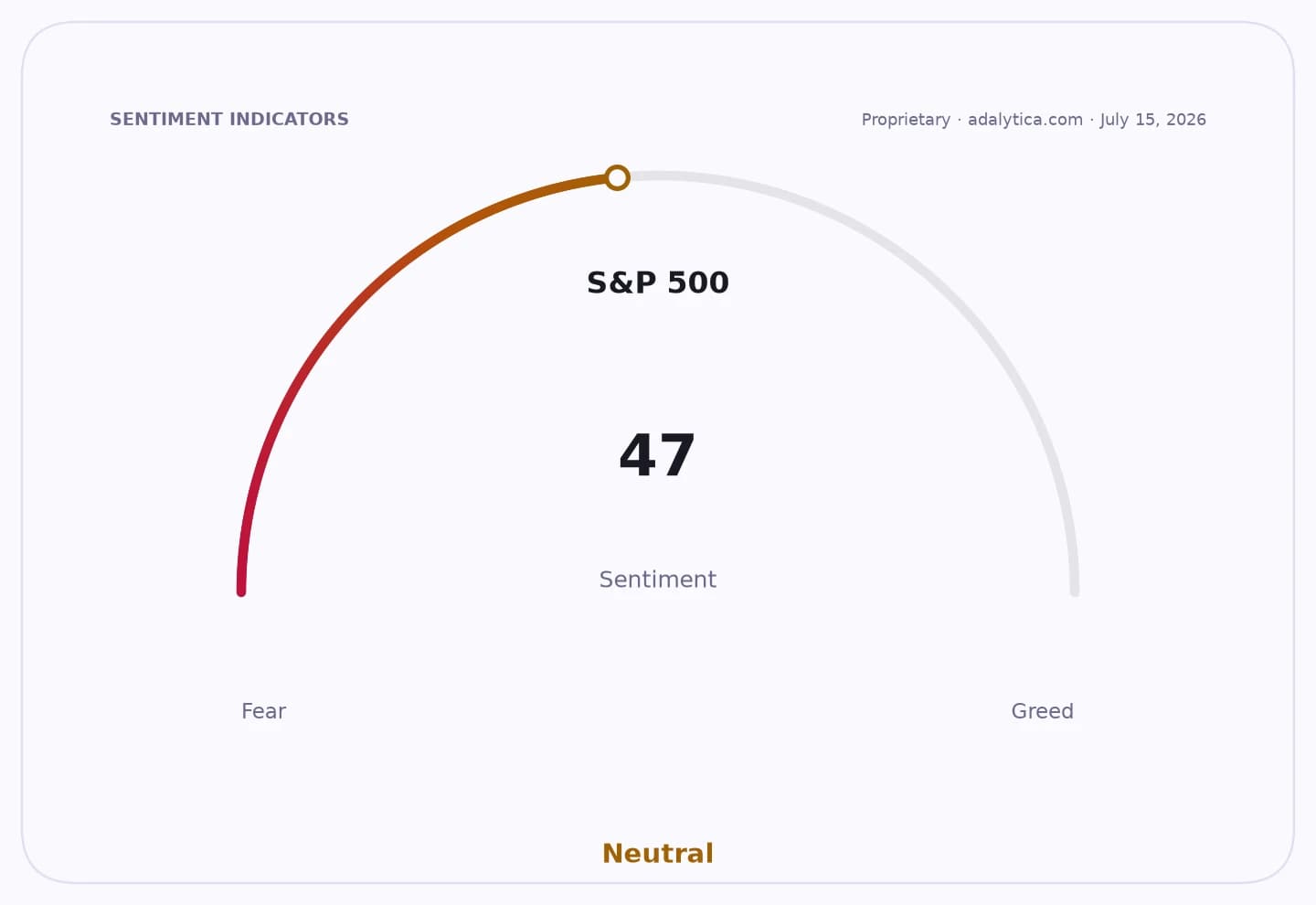
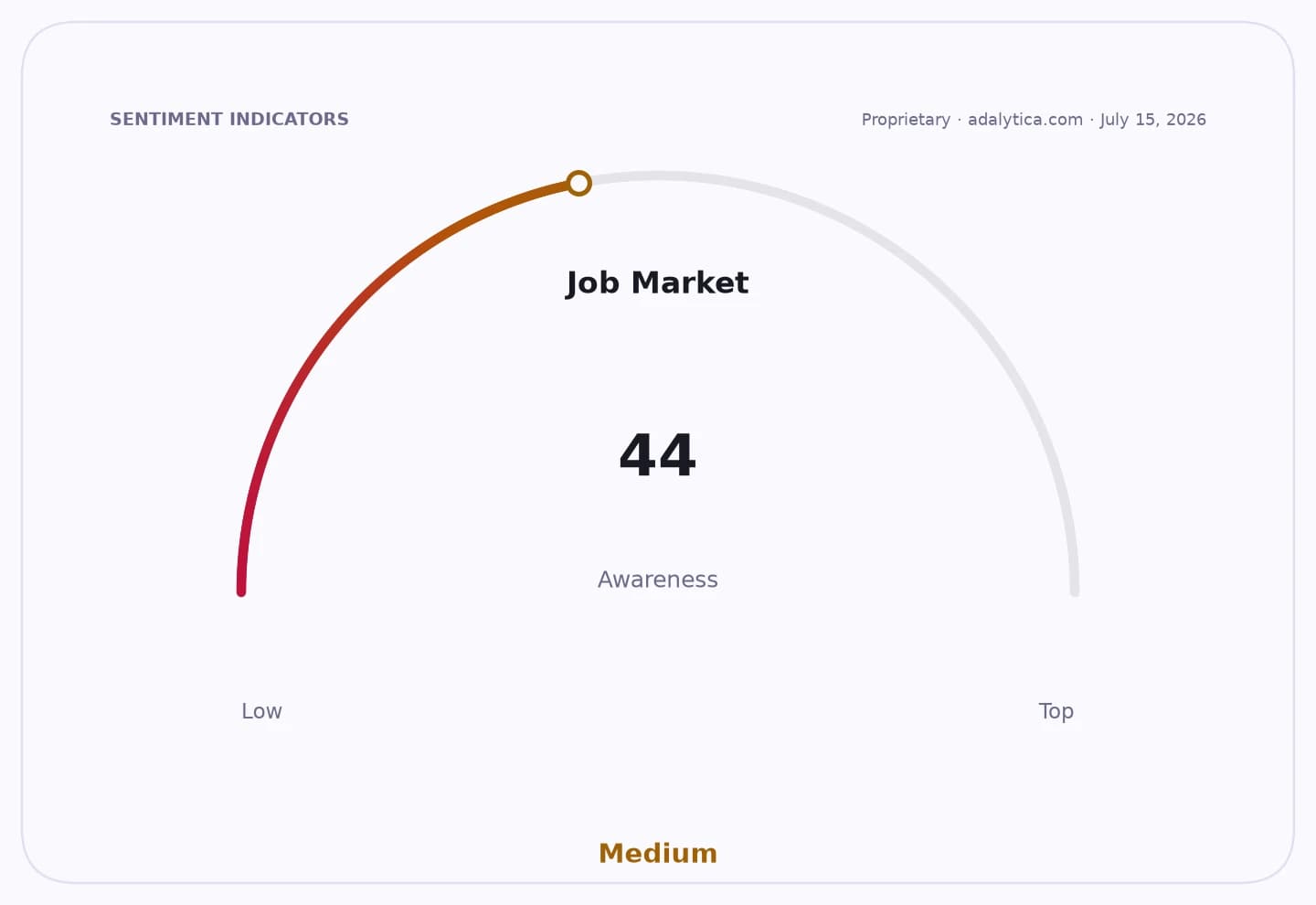
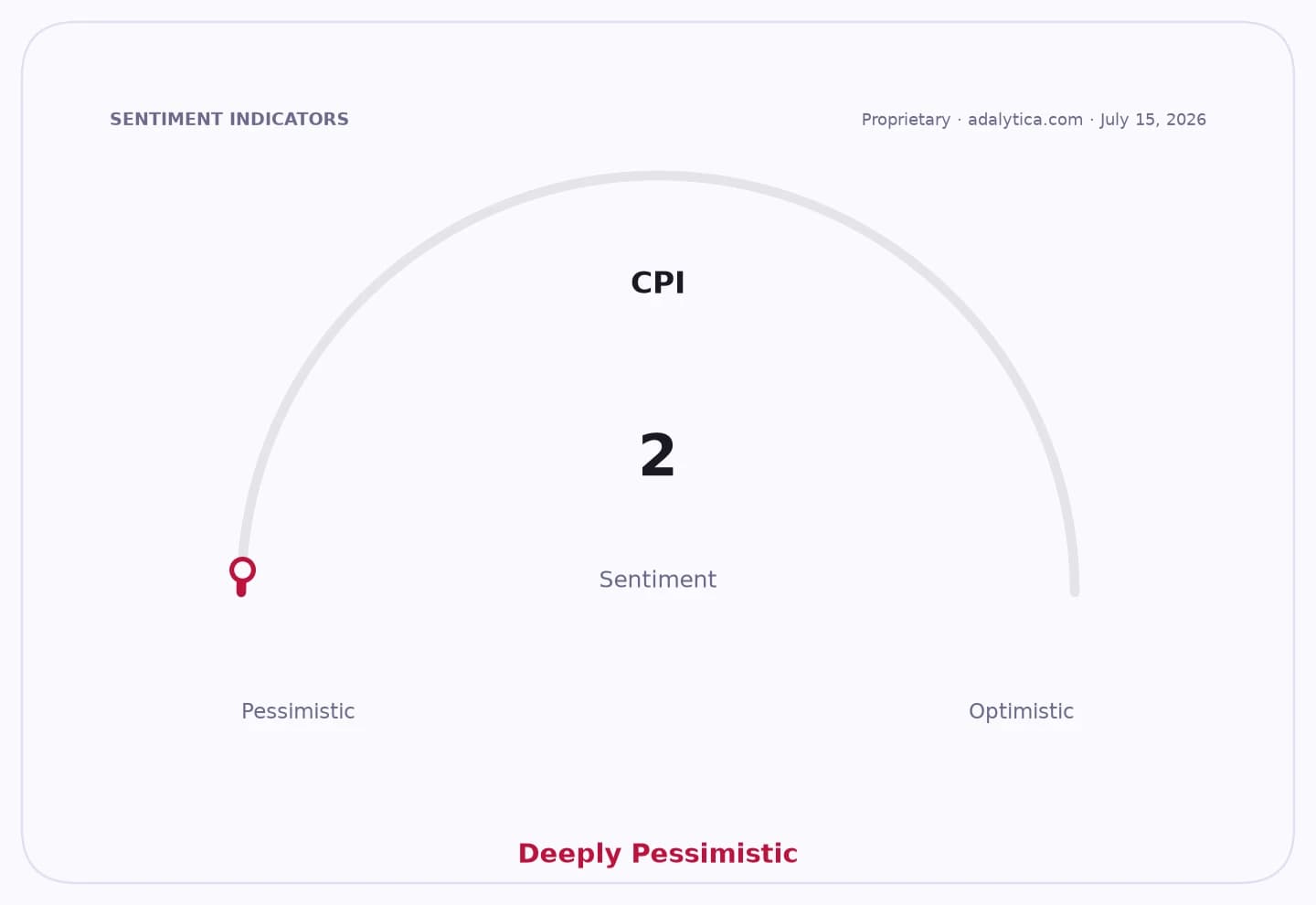
Sentiment IndicatorsⓘProprietary · adalytica.com · September 23, 2026
This is a snapshot — live sentiment, awareness and momentum for 130+ markets update continuously in the dashboard.Open AlphaPulse
Iran says it manufactures more than 97% of its medicines by volume, but that figure masks the real vulnerability. The medicines in shortest supply are often imported, specialized and payable in foreign currency. Once oil exports are constrained and banks are wary of touching Iranian transactions, the entire chain breaks: pharmacies cannot replenish stock, insurers stop paying, and patients are pushed into cash purchases at sharply higher prices. In that environment, even locally made drugs become less useful if the imported ingredients, equipment and technology needed to produce them are harder to source.
The scale of the shortage is now large enough to show a systemic failure, not a temporary bottleneck. Iranian pharmacists say nearly 800 drugs are affected, while more than 18,000 private pharmacies are waiting on insurance payments totaling about 800 trillion rials, or $300 million. When pharmacies are forced to wait a year for reimbursement, they stop carrying inventory. That is why patients are being told to switch to weaker generics, cut doses or delay treatment altogether.
The broader economy is making the crisis worse. Inflation is eroding household purchasing power, the government is struggling to sell oil and secure foreign exchange, and air strikes earlier this year damaged more than 40 pharmaceutical companies, equipment suppliers and distributors, according to Iranian officials. Israel’s strike on Tofigh Daru, which made active ingredients for cancer drugs and anesthetics, and damage to the Pasteur Institute’s laboratories underline how sanctions and conflict are now reinforcing each other.
Washington insists humanitarian trade remains allowed, including medicines and medical devices. But the gap between policy and reality is widening. Since the U.S. sanctioned Iran’s central bank in 2019, it has forced increasingly elaborate documentation on any payment channel tied to medicine imports. The latest “presumption of denial” stance on certain licenses adds another layer of caution, and the result is classic overcompliance: banks decide the risk is not worth it and walk away.
That is why this matters to investors even though it is centered on Iran. A tighter sanctions regime tends to support crude oil risk premiums, drive demand for compliance services, and keep geopolitical volatility elevated across the Strait of Hormuz. The recent jump in U.S. oil-linked vehicles such as USO and the steadier bid in the dollar underscore how sensitive markets remain to Middle East escalation and supply disruption. If pressure on Tehran intensifies further, energy, defense contractors and sanctions-enforcement beneficiaries are likely to stay in favor, while import-dependent economies and any company exposed to Iranian counterparty risk will remain under strain.
The market underestimates how sticky this kind of damage becomes. Once pharmacies lose inventory, insurers lose credibility and patients lose trust in the system, recovery is slow even if diplomacy resumes. The stalled talks over frozen Iranian funds in Qatar show that humanitarian carve-outs are not enough when the banking infrastructure itself is frozen by fear.
Our thesis is simple: as long as Washington keeps tightening the vise without a diplomatic reset, Iran’s health system will remain a casualty of sanctions, and the tradeable consequence is sustained geopolitical risk premia rather than relief. Investors should keep favoring energy, defense and compliance winners, while treating any easing in Iran-related tension as a tactical rather than durable event.
| Entity | Gains | Losses |
|---|---|---|
| U.S. energy producers | ▲Higher risk premium | ▼— |
| Defense and security contractors | ▲Elevated demand | ▼— |
| Sanctions-compliance banks and firms | ▲More business | ▼Risk of overcompliance |
| Iranian patients and pharmacies | ▲— | ▼Medicine shortages, cash strain |