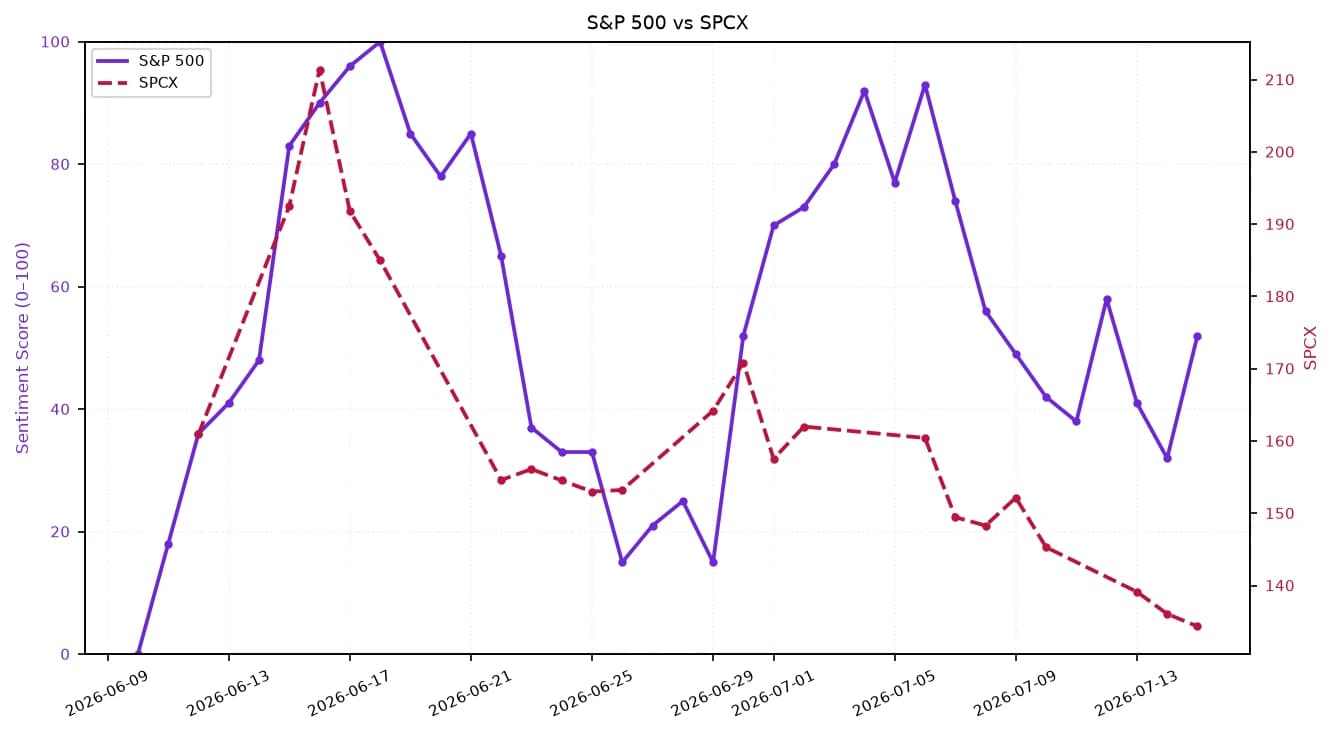
Inflation can cut the real value of a Rs 1 lakh nest egg to about Rs 31,000 over 20 years if prices rise at a 6% annual pace, underscoring why investors cannot rely on cash savings alone to preserve purchasing power.
Inflation Erodes Rs 1 Lakh to Rs 31,000 in 20 Years

That arithmetic matters because inflation is not just a headline number — it determines what households can actually buy, how much they need for retirement and whether fixed savings are quietly losing value. At 6%, the same basket of goods that costs Rs 1 lakh today would cost about Rs 3.21 lakh two decades from now.
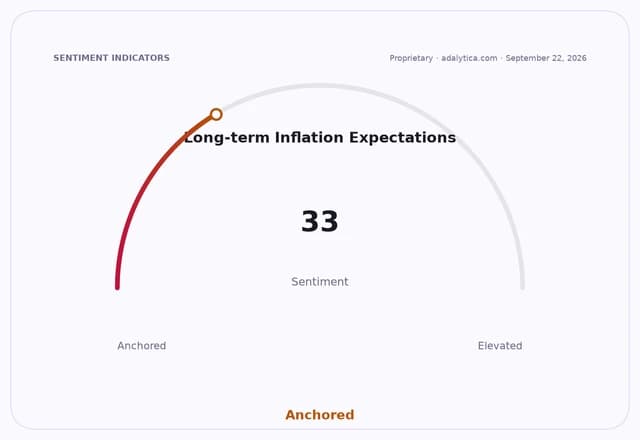
Sentiment IndicatorsⓘProprietary · adalytica.com · September 22, 2026
This is a snapshot — live sentiment, awareness and momentum for 130+ markets update continuously in the dashboard.Open AlphaPulse
The impact is even starker on recurring expenses. A monthly household budget of Rs 50,000 today would need to rise to roughly Rs 1.6 lakh in 20 years to maintain the same lifestyle, according to the calculation in the source material.
The story is especially relevant as price pressures remain a central economic risk globally. In the U.S., the latest CPI data in the context shows consumer prices still elevated, while core inflation, which excludes food and energy, has also continued to trend higher over time. In Europe, the ECB has warned that a fresh energy shock could keep inflation elevated into 2027, squeezing consumption and growth.
CPIAUCSL vs CPILFESL — macro contextadalytica.com
Explore this data interactively — full history, time series and cross-market comparisons.Open AlphaPulse
For investors, the lesson is straightforward: nominal returns are not enough. If savings accounts or low-yield instruments lag inflation, real wealth declines even when account balances look unchanged, pushing households toward assets that can outpace rising prices over long periods.
That makes long-term planning more urgent for retirees and anyone building a future corpus. Even a small change in inflation compounds sharply over time: at 4%, Rs 1 lakh would need to grow to Rs 2.19 lakh to maintain its value over 20 years; at 8%, it would need Rs 4.66 lakh.
Market signals point to the same concern. U.S. Treasury yields and broad equity prices have been moving as investors weigh the inflation outlook, while Adalytica’s gauge on confidence in the Fed’s 2% target shows extreme fear, suggesting investors remain wary that inflation will stay harder to tame than central banks want.
The immediate takeaway for savers is that inflation protection is part of wealth preservation, not an optional add-on. As long as price growth stays above the return on idle cash, the real value of money keeps eroding — and retirement math gets tougher every year.
| Entity | Gains | Losses |
|---|---|---|
| Inflation-hedged assets | ▲Preserve real value | ▼Face valuation pressure if rates rise |
| Cash savers | ▲Liquidity | ▼Purchasing power erosion |
| Long-term investors | ▲Better compounding potential | ▼Risk from poor asset selection |
| Households/retirees | ▲Incentive to plan ahead | ▼Higher future living costs |