Indonesia is opening the door to higher coal production quotas as improving prices give Jakarta room to ease the supply squeeze in the world’s biggest thermal coal market. The move matters because any increase in output from Indonesia, which accounts for a huge share of seaborne coal trade, can quickly reshape global supply, support power utilities and weigh on miners that have benefited from tighter markets.
Indonesia Considers Higher Coal Production Quotas
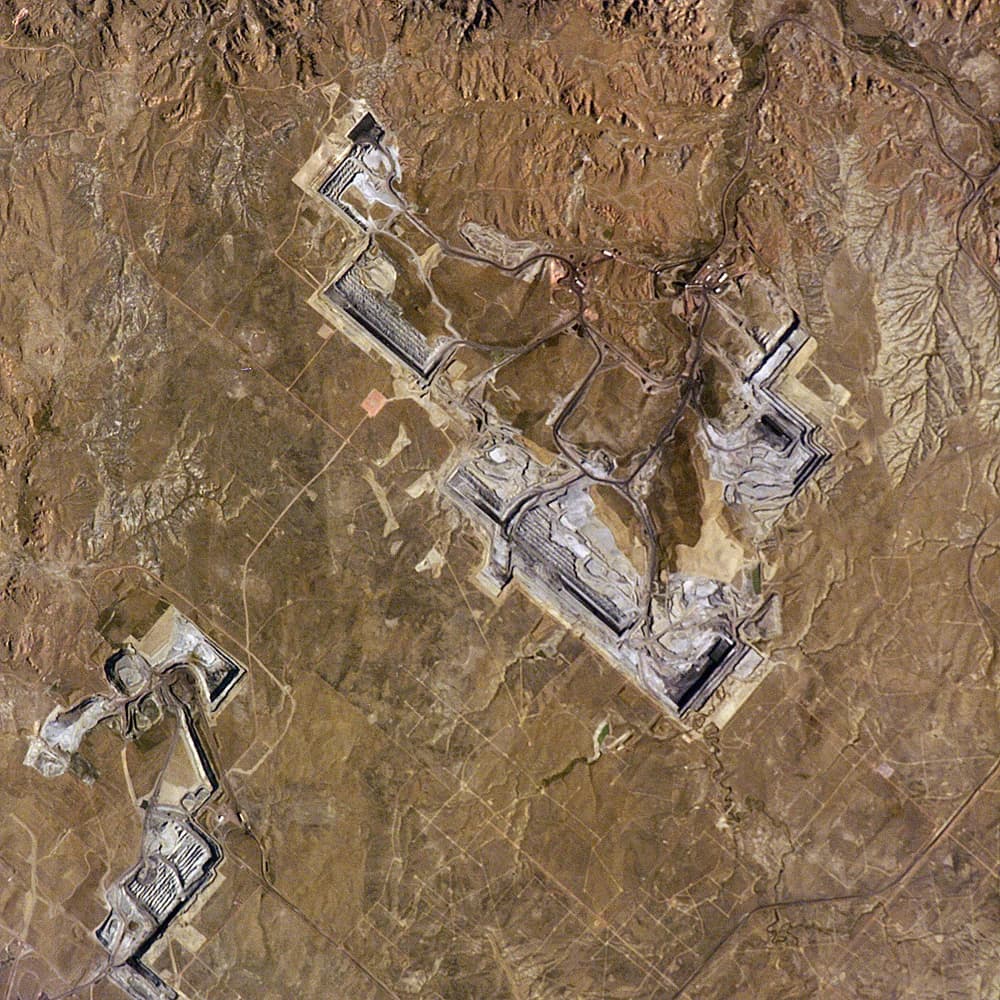
Energy minister Bahlil Lahadalia said the government will consider raising production limits as it balances supply and demand, adding that coal prices are now “good” enough to justify more production. He did not give a new quota, but said policy would hinge on market conditions and on approvals for work plans and budgets, a key lever in Indonesia’s mining system.
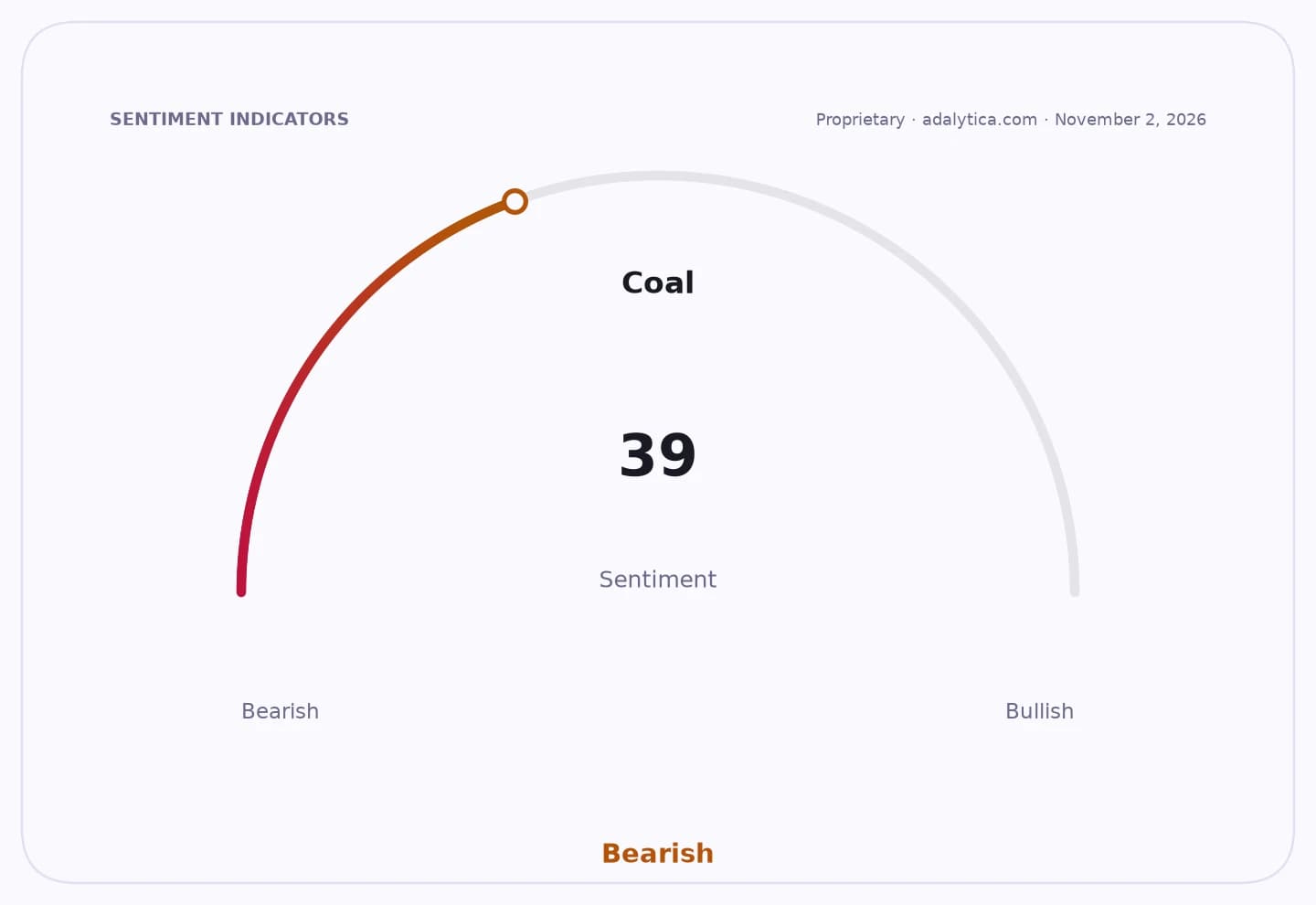
Sentiment Indicators
Coal
The comments come after Jakarta curbed production when prices were weak, lifting the benchmark coal price and trimming output to protect the market. That backdrop has changed: Indonesia’s 2025 coal production reached 817.48 million tons, while output through July 2026 was 423.71 million tons, or about 60.5 million tons a month, according to the energy ministry’s mineral and coal directorate.
For investors, the biggest implication is pressure on coal prices if Indonesian supply rises meaningfully. The country produced 540 million tons of the 1.3 billion tons of coal traded globally in 2025, underscoring how central its policy remains to seaborne benchmarks, exporter margins and utility fuel costs.
The policy shift also lands against a volatile coal backdrop, with market conditions still sensitive to weather, logistics and power demand. Coal traders, miners and steelmakers will be watching for whether Jakarta translates the opening into a formal quota increase, and how aggressively it does so in the coming months.
| Entity | Gains | Losses |
|---|---|---|
| Indonesian miners | ▲Higher output quotas | ▼Tighter production caps |
| Coal buyers/utilities | ▲Easier supply, lower prices | ▼Higher fuel costs if quotas stay tight |
| Global coal consumers | ▲More available supply | ▼Supply shortages |
| Coal prices | ▲Stabilization if supply improves | ▼Upside if output stays constrained |