The biggest risk in the AI-driven classroom is not that students will use chatbots, but that they will use them without the judgment, supervision and critical thinking that education is meant to build.
Indonesia AI classroom debate lifts edtech theme
Artificial Intelligence
That is the real message from the latest debate around Pendidikan Agama Islam, or PAI, in Indonesia: artificial intelligence is becoming part of everyday learning, but it is also exposing a widening gap between convenience and comprehension. A cited OECD PISA 2025 report says 53% of Indonesian students use AI chatbots for schoolwork at least weekly, underscoring how quickly the tool has moved from novelty to habit. For investors, policymakers and education providers, that matters because AI adoption is no longer a future trend — it is already reshaping how skills are formed, how institutions are pressured to adapt and how digital literacy becomes a national competitive issue.
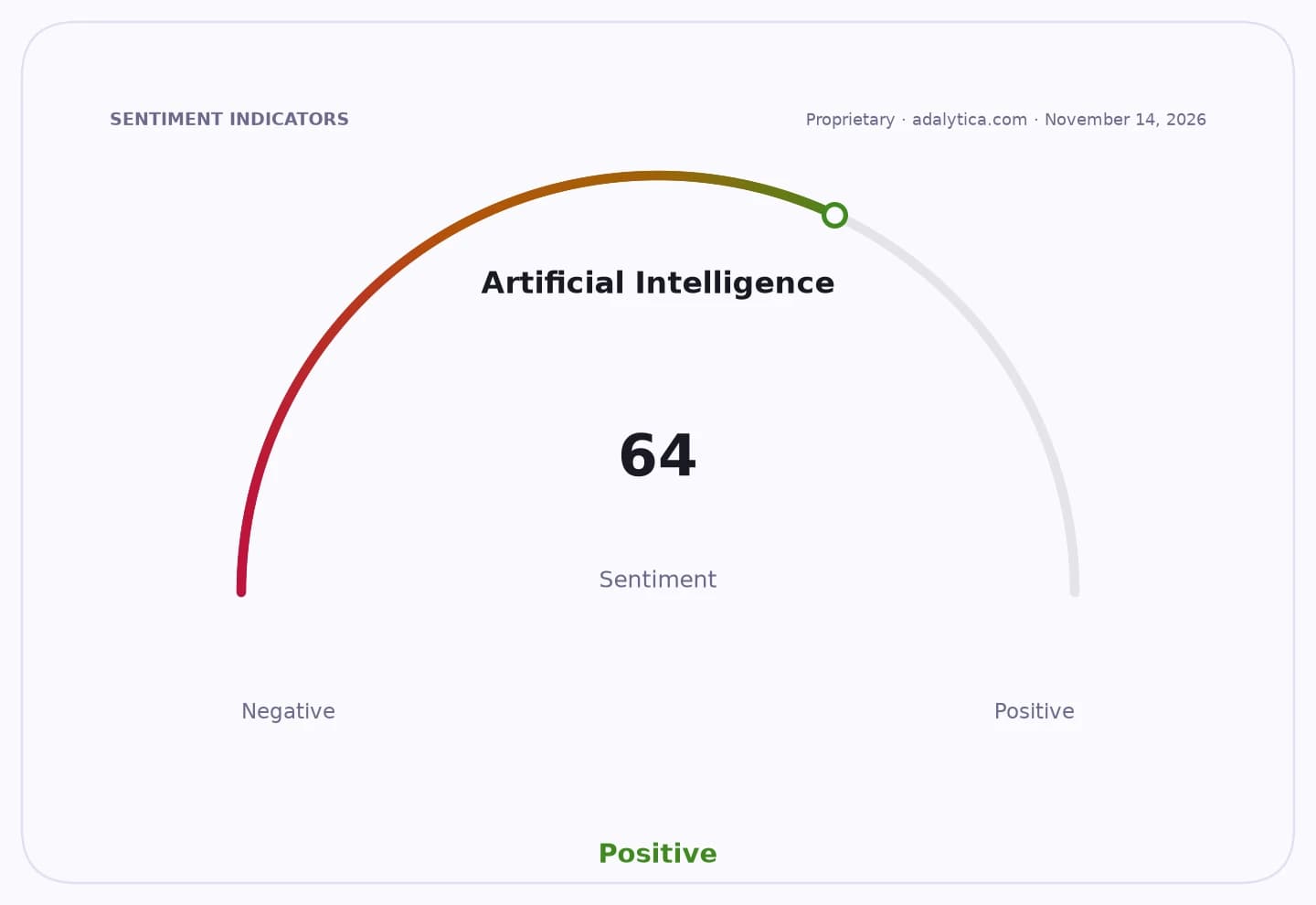
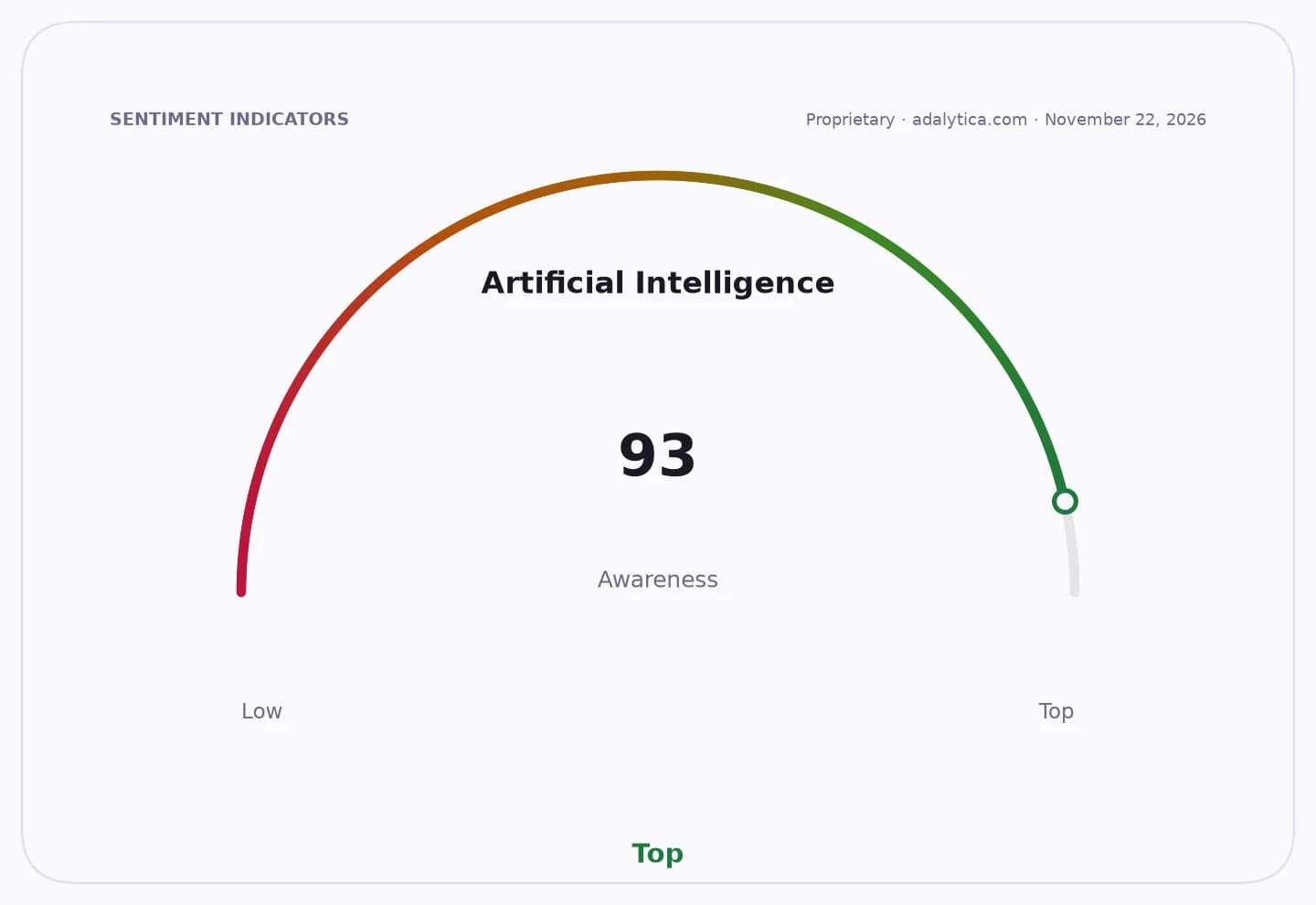
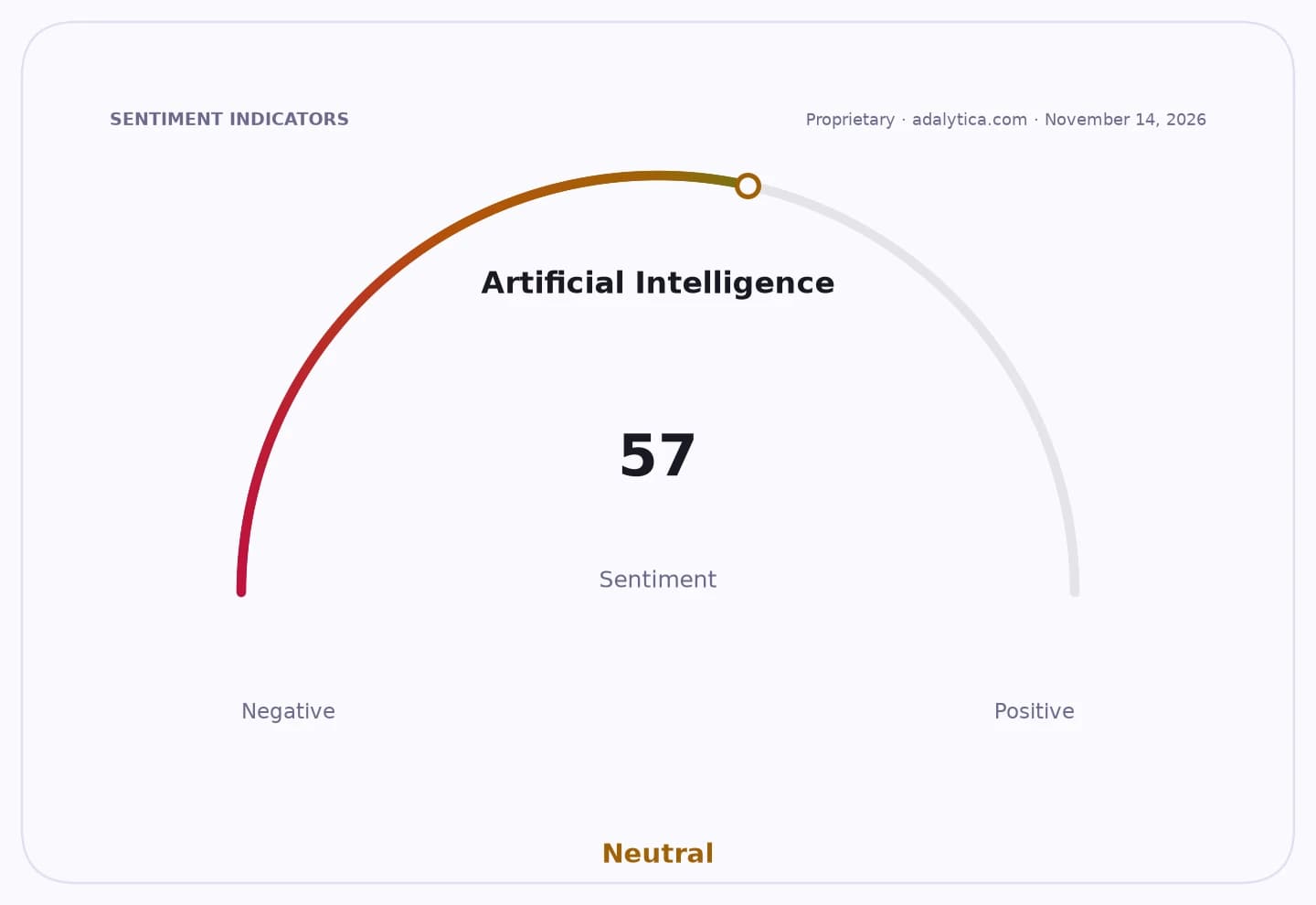
Sentiment Indicators
The economic significance is bigger than one subject area. If students lean on AI to generate answers instantly, the upside is clear: lower friction, faster access to information and potentially better support for teachers stretched thin. But the downside is equally material. Overreliance on machine-generated answers can weaken deep learning, reduce critical reasoning and widen the divide between students who are guided by capable teachers and those who are left to outsource thinking to software. In a labor market already being remade by automation, that is not a minor classroom problem — it is a productivity problem in the making.
That is why the PAI discussion lands in a broader investment narrative: AI is not only a compute boom or a software cycle. It is also a human-capital shock. The winners are not just chipmakers and model builders; they include education platforms, digital-skills providers, content verification tools and institutions that can combine AI with trusted human instruction. The losers are the models, schools and curricula that treat AI as a substitute for mentorship rather than an assistant.
The point is reinforced by the core tension in the opinion piece: AI can help students learn religion, but only when it is paired with teacher supervision, digital literacy and a strong ethical framework. A study cited in the article involving 80 elementary madrasa students and 12 teachers in Jember found ChatGPT could assist Islamic education, but still under teacher guidance. That is the investable takeaway. The market underestimates how much value will accrue to layered solutions — platforms that verify, curate and contextualize information — rather than to raw generative tools alone.
This also has implications far beyond Indonesia. Governments and school systems across emerging markets are going to face the same question: how do you capture the efficiency of AI without hollowing out learning quality? The answer will drive spending on teacher training, edtech infrastructure, content moderation, assessment tools and digital governance. In other words, the next phase of AI adoption is likely to be less about flashy demos and more about institutional plumbing.
For investors, that means the opportunity is in the picks-and-shovels of responsible AI adoption: companies tied to education software, cybersecurity, identity verification, workflow automation and human-in-the-loop systems. The risk is assuming that the biggest beneficiaries are only the most visible AI platforms. In reality, the durable compounding may come from the firms that help societies use AI without losing the ability to think.
The lesson is straightforward: AI will transform learning, but it will not replace the need for teachers, validation and judgment. The early capital is already flowing into the tools; the smarter long-term money should be positioned behind the infrastructure that makes those tools safe, useful and scalable.
| Entity | Gains | Losses |
|---|---|---|
| AI education platforms | ▲Higher adoption | ▼Misuse without oversight |
| Teachers and schools | ▲Demand for guidance tools | ▼Pressure to adapt quickly |
| Students with digital literacy | ▲Faster learning support | ▼Overreliance risk |
| Generic chatbot-only models | ▲Wider usage | ▼Trust if answers go unchecked |