Smaller Indian cities are now outpacing the country’s big urban property markets, a shift that matters because it points to a broader redistribution of capital, jobs and household wealth away from the metros and into the next tier of growth centers.
Indian smaller cities outpace metro home prices
A joint CII-Night Frank India report says home prices across 11 smaller cities rose an average 63% between 2021 and 2026, compared with a 42% increase in India’s eight major real estate markets. That gap is economically important because it suggests the housing cycle is no longer being driven only by Mumbai, Delhi, Bengaluru or other marquee metros, but by infrastructure-led demand in places where affordability is still relative and catch-up growth remains steep.
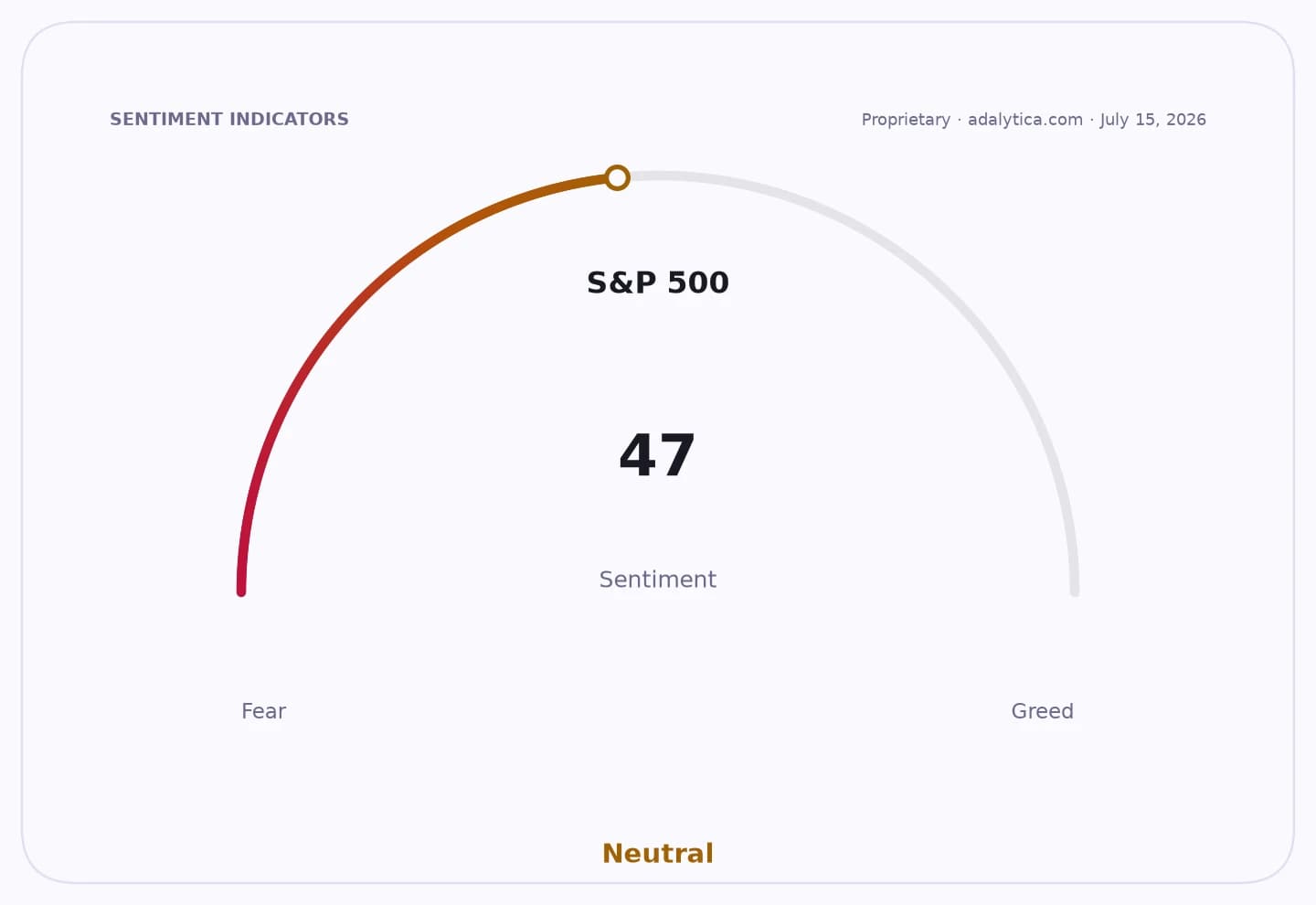
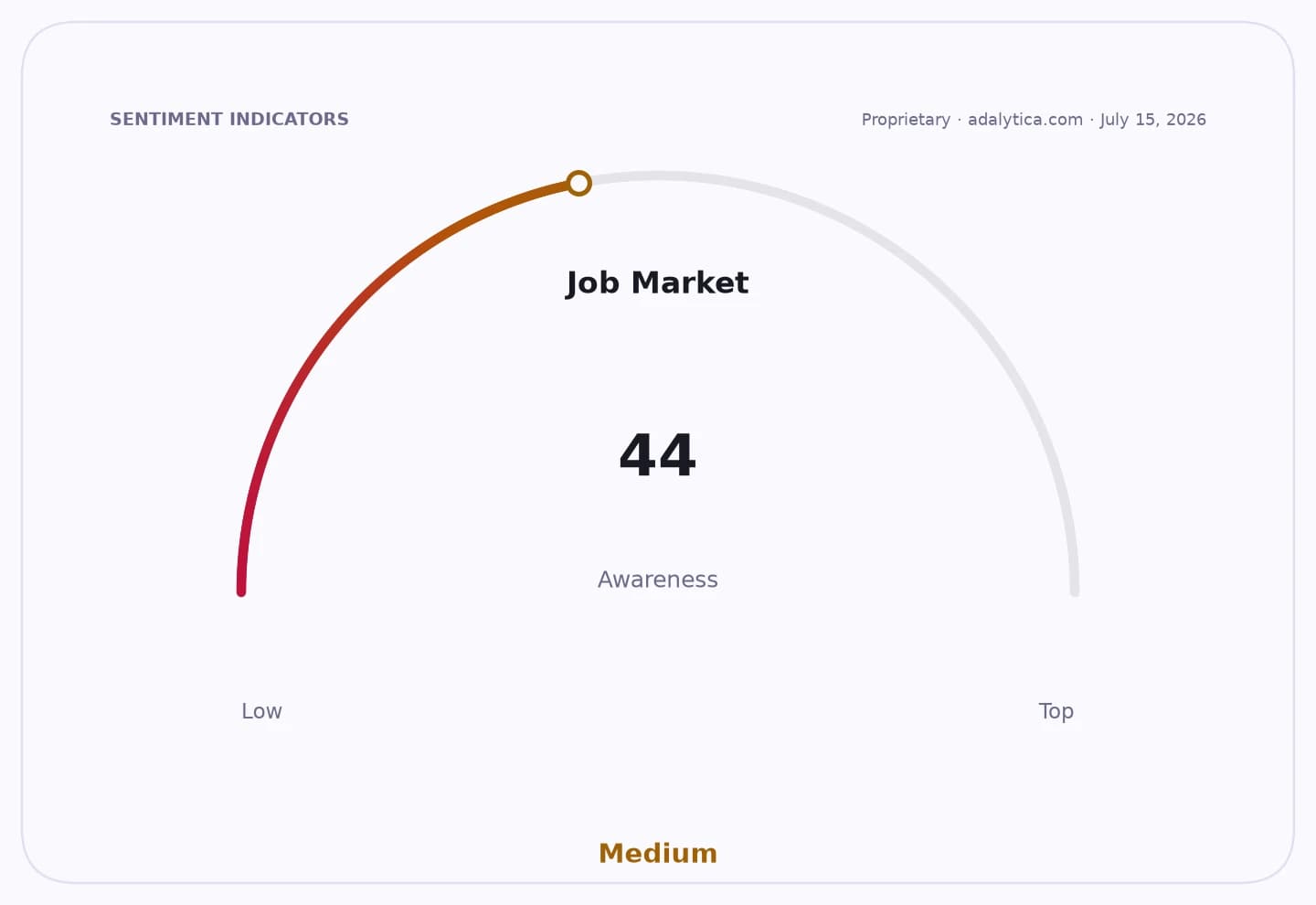
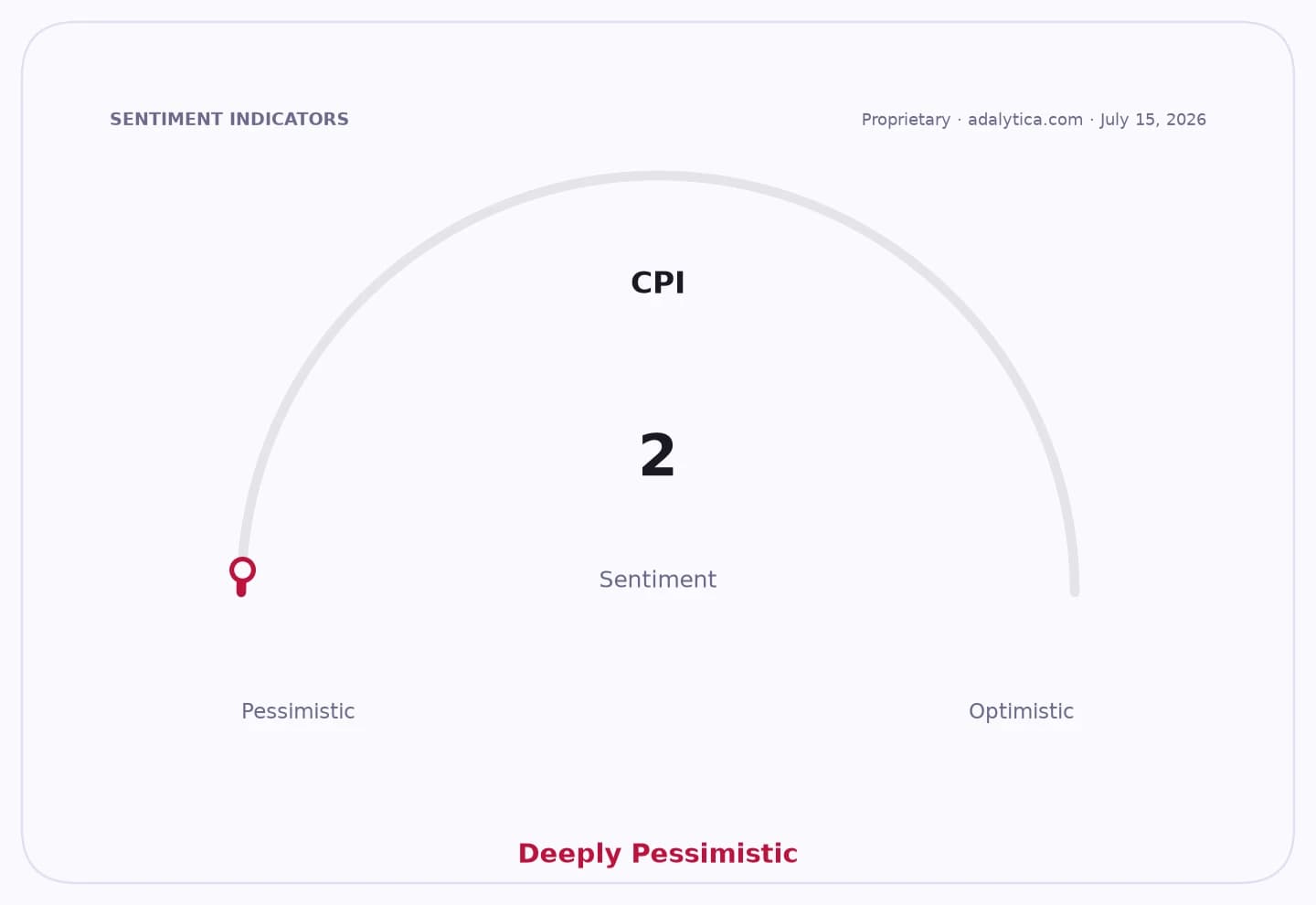
Sentiment IndicatorsⓘProprietary · adalytica.com · September 21, 2026
This is a snapshot — live sentiment, awareness and momentum for 130+ markets update continuously in the dashboard.Open AlphaPulse
The report’s message is clear: roads, connectivity, employment and rising consumption are turning smaller cities into the new real estate engines. Vishakhapatnam, Bhopal, Bhubaneswar, Chandigarh, Goa, Indore, Jaipur, Kochi, Lucknow, Nagpur and Coimbatore are among the markets cited as key growth centers. Over the broader 2016-2026 period, these cities posted average annual house-price growth of 8%, roughly double the 4% recorded in the larger metros highlighted in the study.
For investors, that is a second-order opportunity hiding in plain sight. When housing appreciation broadens beyond the top tier cities, the beneficiaries are not just homeowners. The winners are developers with land banks in emerging urban clusters, materials suppliers, logistics firms, financial institutions extending mortgages, and listed housing platforms exposed to rent growth and occupier demand. The market underestimates how quickly infrastructure spending can convert into durable real-estate demand once mobility, jobs and consumer confidence improve.
The macro backdrop supports that view. Lower unemployment and stronger economic activity are helping underpin residential demand, while India’s urbanization story is increasingly being written in places that once sat outside the core investment map. That creates a more durable housing cycle than a metro-only rally, because it spreads demand across multiple growth nodes instead of relying on a handful of overheated markets.
There is also a valuation angle. As prices in smaller cities accelerate, the affordability gap with metros narrows, but the growth runway remains longer because the base is lower and formal housing penetration is still developing. That is the kind of setup that can sustain multi-year capex, builder margins and lending growth, particularly if infrastructure delivery keeps improving.
For now, the message for investors is straightforward: the real estate trade is widening, not narrowing. The next leg of India’s housing story may come less from the premium metros and more from the smaller cities where price momentum is strongest and the secular demand curve is still steepening. Position for the infrastructure-linked beneficiaries early, because this is where the next wave of housing wealth is likely being created.
| Entity | Gains | Losses |
|---|---|---|
| Smaller Indian cities | ▲Faster house-price growth | ▼None in the near term |
| Metro housing markets | ▲Relative importance declines | ▼Lose pricing leadership |
| Developers with non-metro land banks | ▲Higher sales and margins | ▼Metro-focused peers |
| Homebuyers in smaller cities | ▲Asset appreciation | ▼Lower affordability |