India’s vote with 152 other countries to let Palestinian Authority President Mahmoud Abbas address the UN General Assembly by video matters because it underscores how New Delhi is trying to protect its long-term diplomatic balance even as Washington and Israel tighten the political frame around Gaza and the West Bank.
India backs UN vote on Abbas video address

For investors, that balance is more than symbolism. India is one of the world’s largest energy importers, a major buyer of U.S. technology and defense equipment, and a country whose foreign policy choices can ripple through oil markets, supply chains and capital flows. When New Delhi sides with the overwhelming majority at the UN on a Palestine measure, it is signaling that it will not fully align with the U.S. and Israel on Middle East diplomacy, even as it keeps those relationships intact on trade and security.
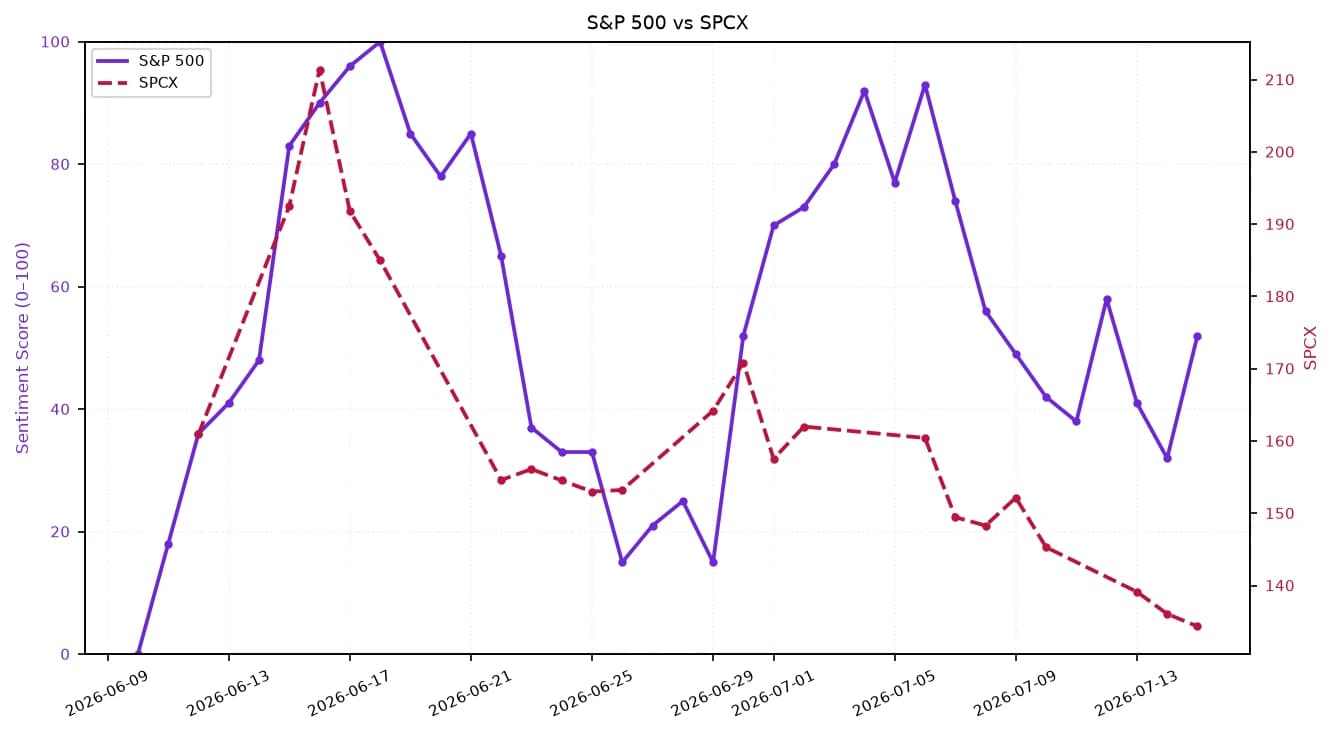
Sentiment IndicatorsⓘProprietary · adalytica.com · September 22, 2026
This is a snapshot — live sentiment, awareness and momentum for 130+ markets update continuously in the dashboard.Open AlphaPulse
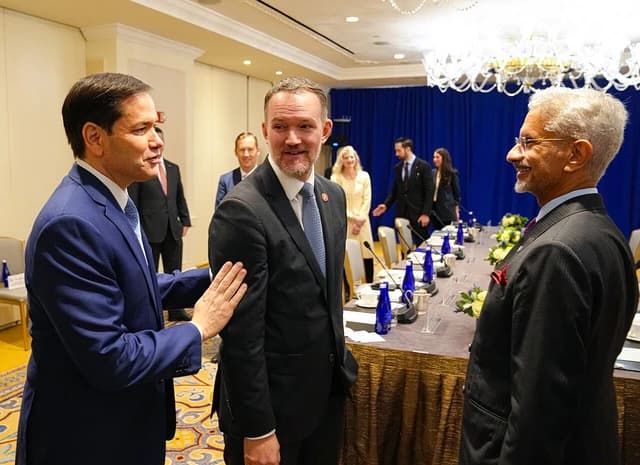
The vote came after the U.S. denied Abbas a visa to attend the UN meeting in New York. The UN response gave him the option to speak remotely, a move backed by 152 nations including India. That number matters: it shows how isolated the U.S. position was on this procedural but politically loaded issue, and how broad the international appetite remains for keeping Palestinian representation visible in multilateral forums.
The economic stakes are indirect but real. India imports almost all of its crude, so Middle East tensions feed quickly into domestic inflation, the current account and corporate margins. On the day oil-related markets are already sensitive to geopolitical shocks, investors watch for any sign that diplomacy is hardening rather than easing. Brent-linked volatility tends to hit refiners, transport operators and consumer companies first, while energy producers and some commodity trades can benefit. The recent move in the U.S. dollar and the strong technical setup in oil-tracking funds such as USO and energy stocks such as XLE reflect how quickly geopolitics can bleed into market pricing. India’s diplomatic posture does not move those markets by itself, but it sits inside the same risk set.
There is also a broader strategic narrative here. India has deepened ties with the U.S. through defense, semiconductors and supply-chain diplomacy, but it has never entirely abandoned its historical support for a Palestinian state. That tension is becoming harder to ignore as Washington and its allies face growing global pushback on the Israel-Palestine conflict. New Delhi’s vote suggests it still wants room to maneuver between strategic partnerships and its longstanding nonaligned instincts.
For long-term investors, the lesson is that geopolitics is not a side show. It is part of the operating environment for oil, defense, shipping, emerging-market currencies and multinational supply chains. India’s UN vote is unlikely to alter earnings next quarter, but it reinforces a world in which energy price swings, diplomatic fragmentation and policy risk remain central to portfolio construction. That makes diversification, patience and a close eye on commodity exposure more important than ever.
| Entity | Gains | Losses |
|---|---|---|
| India | ▲Diplomatic flexibility | ▼Pressure to pick a side |
| Palestinians | ▲International visibility | ▼U.S. visa rebuff |
| U.S. and Israel | ▲Limited on this vote | ▼Support at UNGA |
| Oil and energy stocks | ▲Geopolitical bid | ▼Risk-off importers |