Rahul Gandhi’s latest attack on Prime Minister Narendra Modi is less about birthday symbolism than a deeper policy fault line: India’s shortage of affordable student housing, and the government’s willingness to let that burden fall on rural and lower-income families.
India student housing gap hurts higher education access
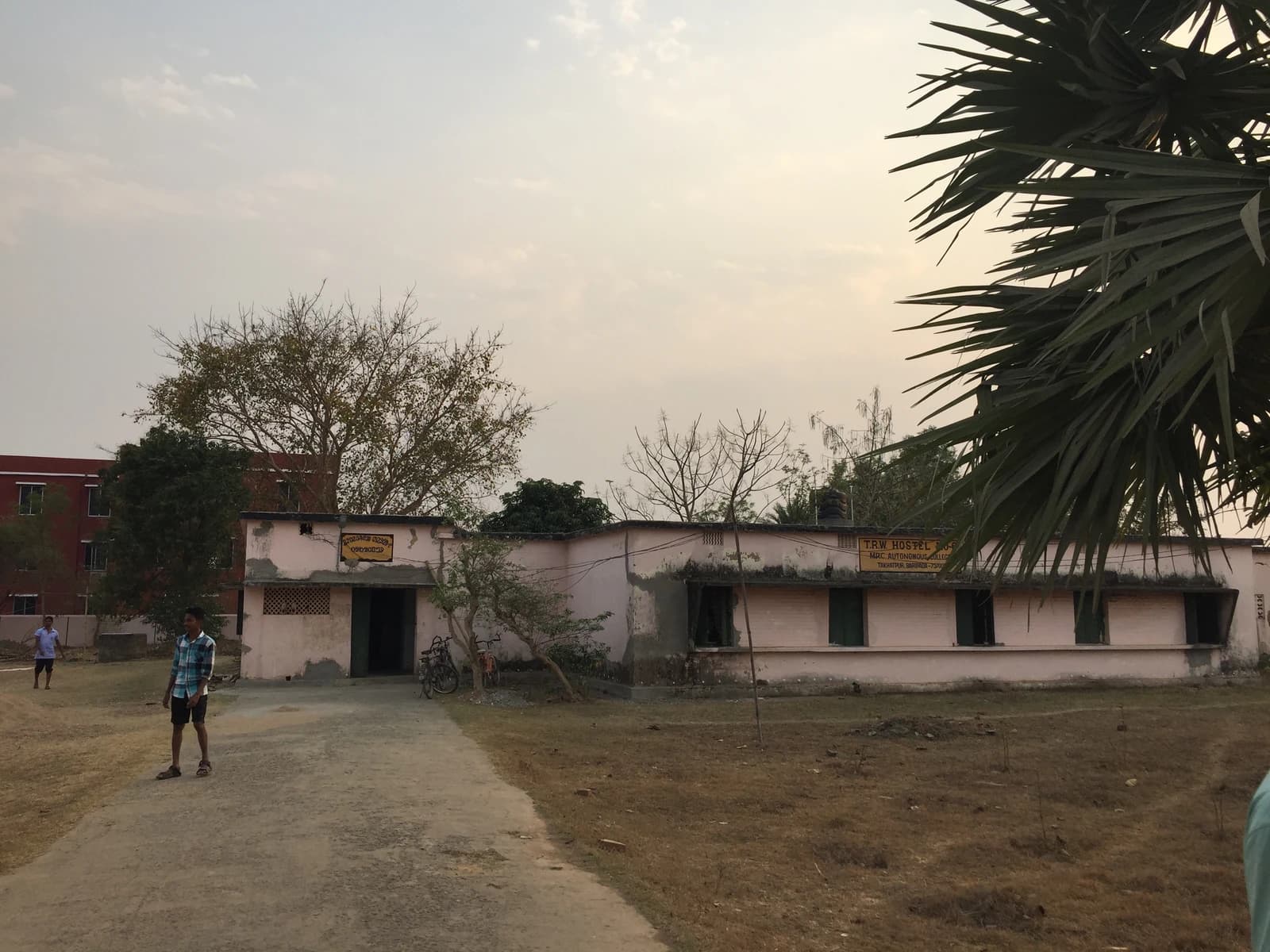
That matters because education access is increasingly being shaped not by tuition alone but by the cost of living in the cities where universities are concentrated. When students must pay for private accommodation, safety, and commuting, higher education becomes a cash-flow problem for households already strained by inflation, and dropout risk rises. For investors, that is a reminder that India’s growth story still depends on whether the state can convert demographic advantage into usable human capital.
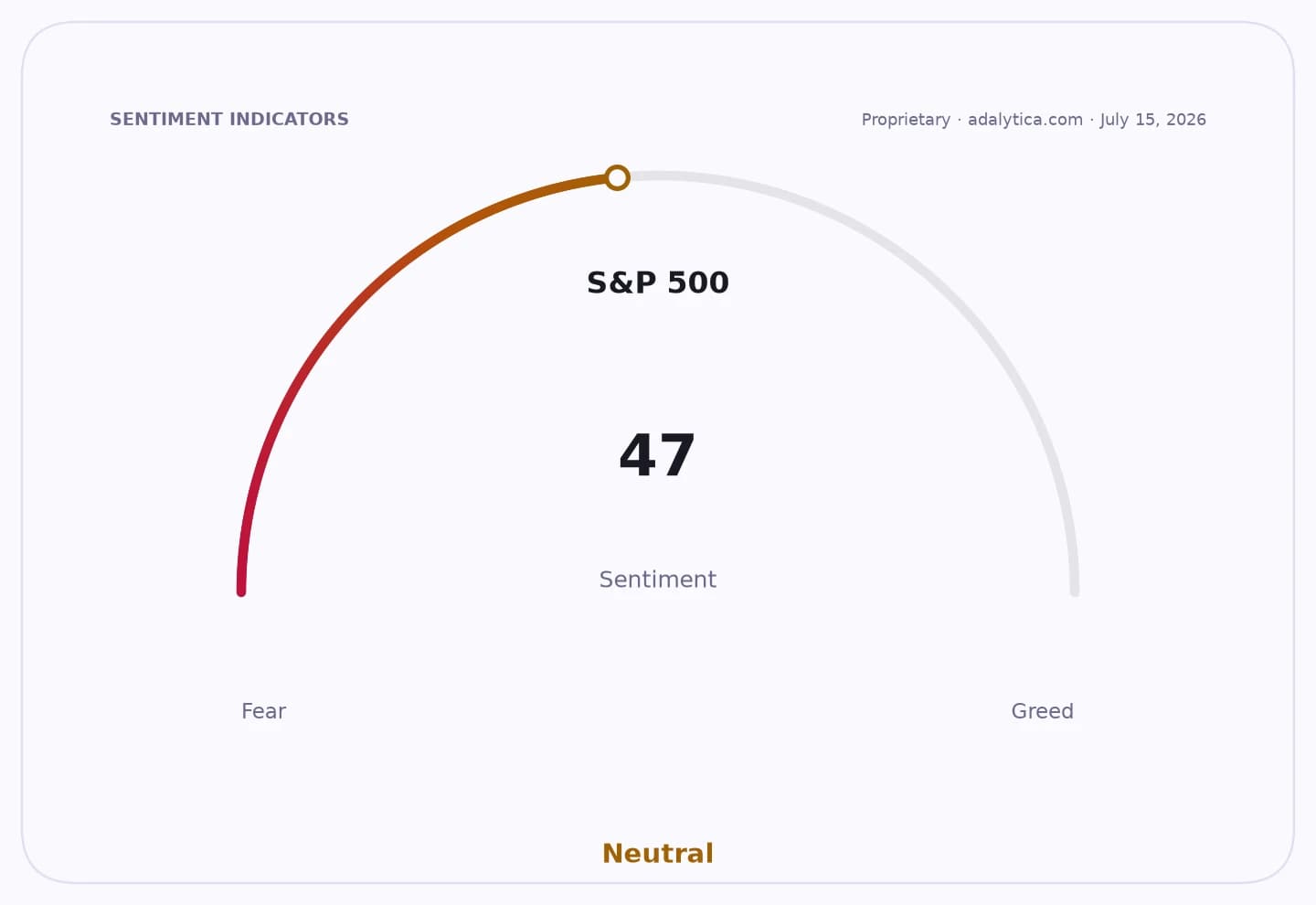
Sentiment IndicatorsⓘProprietary · adalytica.com · September 23, 2026
This is a snapshot — live sentiment, awareness and momentum for 130+ markets update continuously in the dashboard.Open AlphaPulse
Gandhi used a question from a female student in Indore to argue that the government finds money for optics but not for hostels, alleging that women from villages are being pushed into paid guest housing because campus accommodation is unavailable. He said the monthly rent burden and safety concerns are forcing many girls out of higher studies, and that housing support has not kept pace with inflation.
The politics here is straightforward, but the economic message is more important. India’s labor-force expansion and consumption upgrade depend on keeping more young people in the education pipeline, especially women. If students are priced out of urban colleges by rent and relocation costs, the economy loses future nurses, teachers, engineers and managers before they ever enter the workforce. That is a long-term drag on productivity, household income growth and formal-sector expansion.
The government has already been pressed to do more on education funding, with officials discussing support for schools, facilities and equipment amid complaints that students face mounting uncertainty. That backdrop gives Gandhi’s pitch traction: the issue is not just one hostel or one campus, but a broader shortage of public infrastructure that leaves private spending to fill the gap. In a country where affordability and access still determine who can study, housing is a policy lever, not a side issue.
For markets, the implication is that India’s education and urban-infrastructure cycle has more room to run if policy pressure forces better capex and public-private investment. Developers tied to student housing, affordable rental stock, transport links and campus infrastructure could eventually benefit if the debate turns into spending. More broadly, any reform that reduces the cost of moving to cities would support labor mobility, consumption and the formalization of the economy.
The key takeaway for investors is that India’s next growth leg will not be driven by headlines about GDP alone, but by whether the state can reduce the hidden cost of opportunity. Student housing is one of the clearest examples of that gap. If the political pressure builds, the winners will be companies and funds exposed to urban infrastructure, affordable housing and education services; the losers will be households forced to self-fund mobility and a system that keeps turning potential talent away.
| Entity | Gains | Losses |
|---|