A young Indian cricketer’s earnings can run into billions of rupees, but the money cannot be spent freely until adulthood, underscoring how India’s law protects minors even when their commercial value arrives early.
India law limits minor cricketers' earnings access

That legal constraint matters because the issue is not the size of the income but who controls it. In India, a minor cannot generally enter into binding commercial contracts, so IPL and advertising agreements are signed by parents or guardians on the player’s behalf. The money can be used for education, coaching, equipment, travel and other legitimate needs, but the athlete does not gain full control over the assets until turning 18.
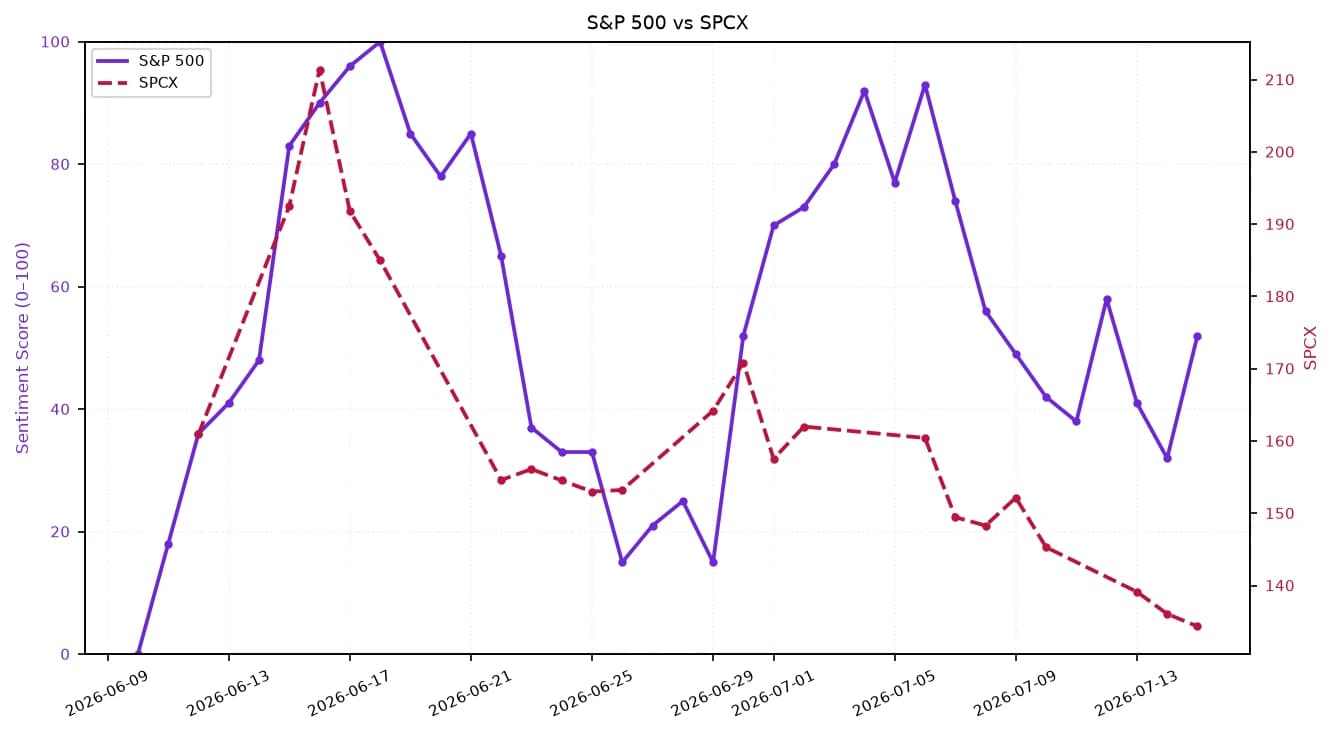
Sentiment IndicatorsⓘProprietary · adalytica.com · September 22, 2026
This is a snapshot — live sentiment, awareness and momentum for 130+ markets update continuously in the dashboard.Open AlphaPulse
For investors and sponsors, the takeaway is broader than one cricketer’s fortune. Rising commercialization of Indian sport is creating increasingly valuable teen talent, but the monetization is still mediated by family, agents and legal guardians rather than by the athlete alone. That makes contract structure, custody of funds and compliance with tax rules central risks for brands, franchises and payment counterparties.
The story also reflects a familiar tension in emerging markets: capital can accumulate faster than legal capacity. Just as policymakers try to widen access to credit for SMEs and tourism businesses, the sports economy is growing around a regulatory framework that limits how quickly earned money can be deployed. In this case, the law is designed to prevent exploitation and preserve assets, but it also means a minor’s bank balance is not the same as spendable wealth.
The financial implications are modest for the broader market, but the commercial implications are not. As Indian cricket keeps producing younger stars with endorsement potential, clubs and sponsors will need tighter controls over payments, guardianship arrangements and tax documentation. The upside is obvious: a larger pipeline of marketable talent. The downside is equally clear: any misstep in handling a minor’s earnings could create legal disputes, reputational damage and delayed access to cash.
| Entity | Gains | Losses |
|---|---|---|
| Minor athlete | ▲Earns early income | ▼Lacks full spending control |
| Parents/guardians | ▲Control contract execution | ▼Bear compliance burden |
| Sponsors/IPL franchises | ▲Access young talent | ▼Face legal/documentation risk |
| Banks/tax advisers | ▲More account and filing activity | ▼More scrutiny and responsibility |