Rahul Gandhi’s warning that India is becoming a “side player” in global affairs matters less as a political soundbite than as a reminder that New Delhi’s foreign-policy direction is still unsettled at a moment when supply chains, defense ties and manufacturing capital are being redrawn around the world.
India Foreign Policy Uncertainty and Market Impact
Economic Growth Targets
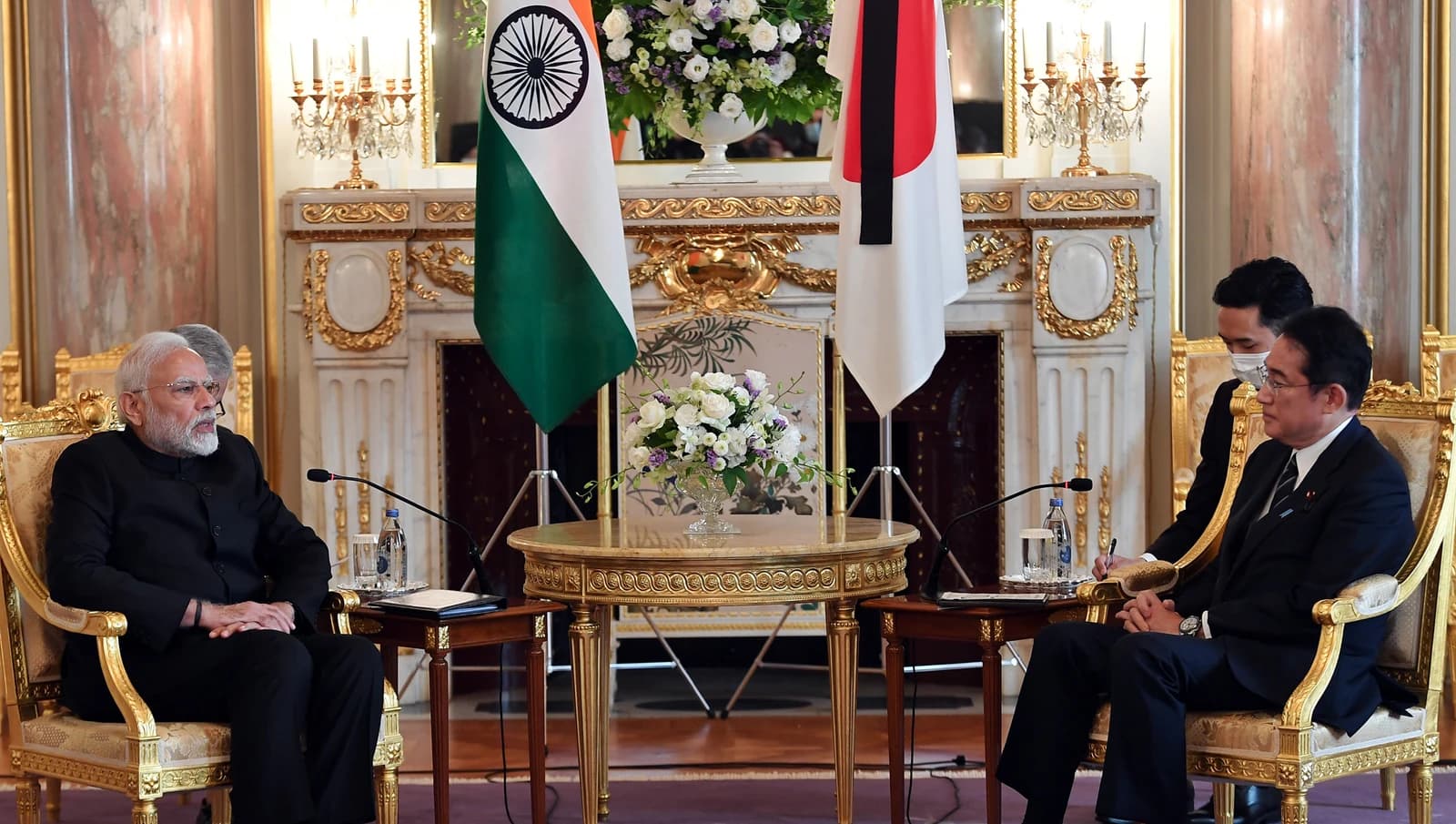
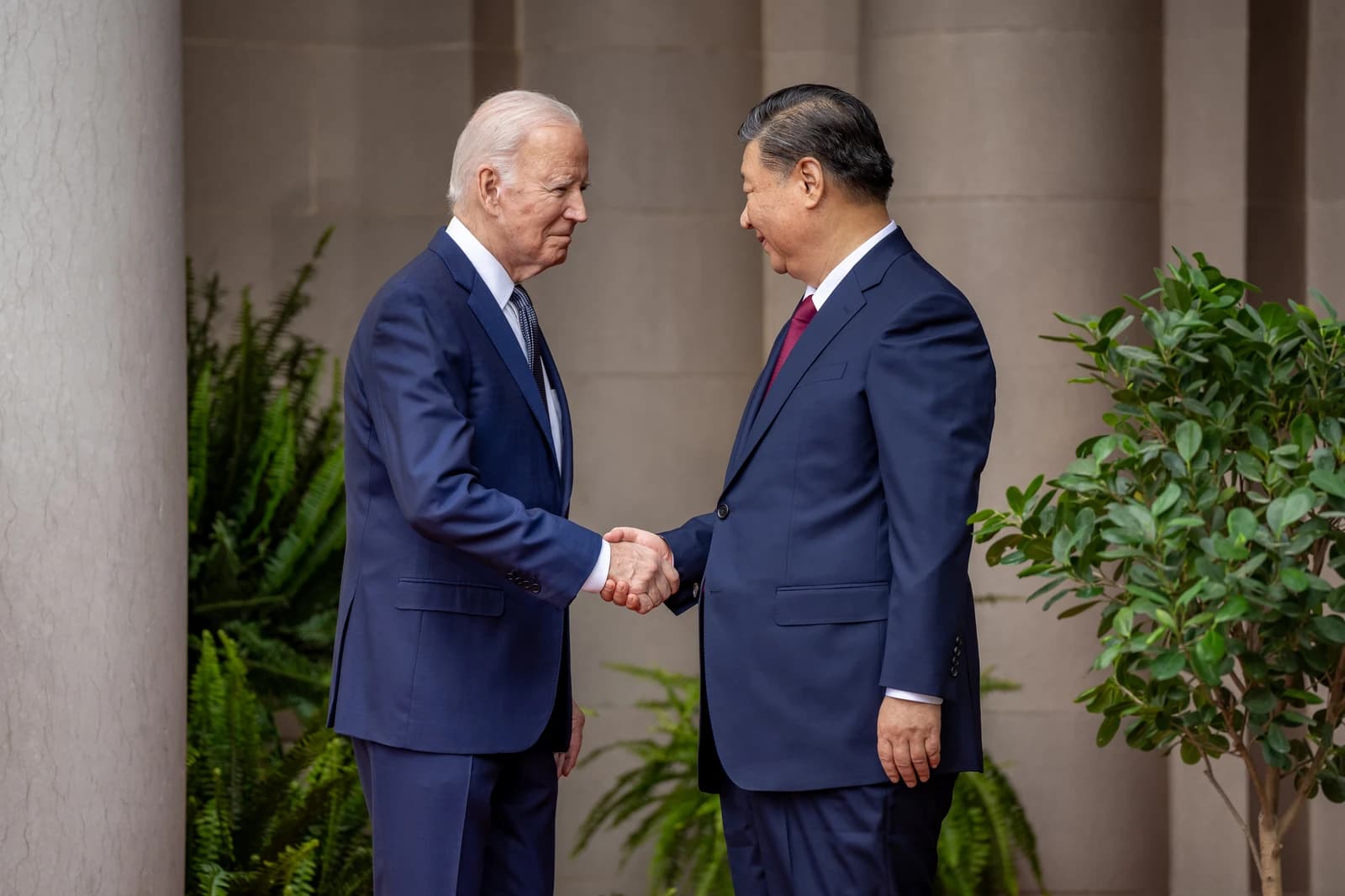
For investors, that uncertainty is not abstract. India is trying to position itself as a destination for factories, chips, electronics assembly and strategic capital just as the US is tightening geopolitical screening, China is leaning harder on industrial scale and Russia remains a sanctions-sensitive partner. Gandhi’s call for closer engagement with Washington, Moscow and Beijing reinforces the idea that India’s role in the next phase of global realignment will be judged by how it balances all three, not by rhetoric alone.
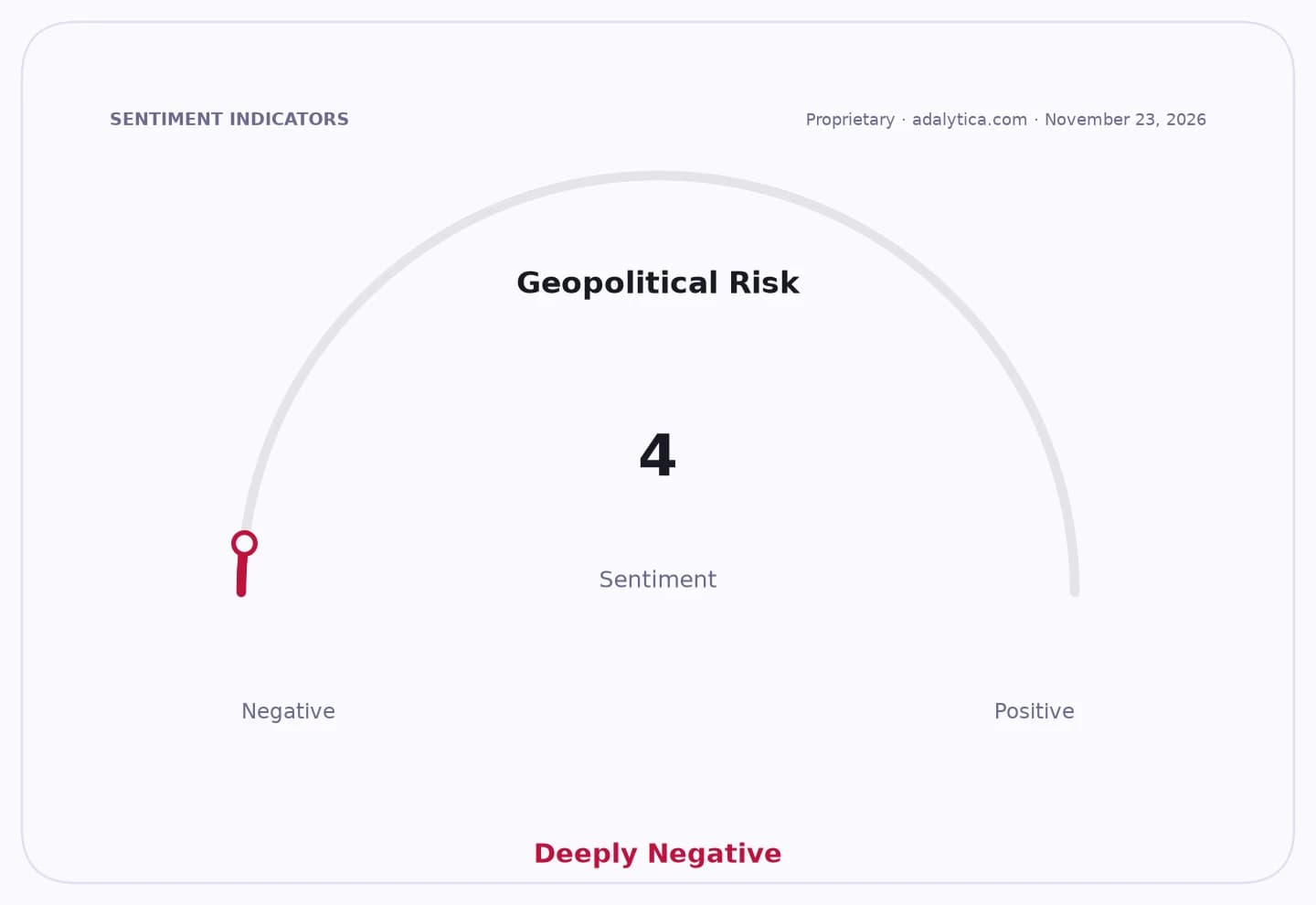
Sentiment Indicators
That balance matters economically because India’s growth model increasingly depends on foreign investment, technology transfer and access to export markets. A stronger US relationship can support manufacturing, defense cooperation and capital inflows. A workable channel with China matters for trade, components and industrial inputs even as rivalry deepens. Russia remains relevant through energy and legacy defense links. Any shift in tone from India’s main opposition is worth watching because it adds political pressure on how the country frames its place in a fragmented global economy.
The market is already pricing in India as one of the main alternatives to China, with the INDA exchange-traded fund holding above its 50-day moving average and trading well above its 200-day line, even after a sharp rebound this month. That strength reflects a broad view that India is a long-duration capital destination. Yet the rally also leaves the market sensitive to any sign that policy drift, diplomatic friction or domestic political uncertainty could slow the inflow story.
China remains the more difficult counterpart in that equation. Sentiment around China’s growth target has slipped sharply in Adalytica’s gauge, underscoring how investors still see Beijing as a slower-growth, higher-risk industrial rival rather than a clean partner. The US dollar snapshot also shows “extreme fear,” a backdrop that typically supports selective emerging-market flows but can quickly reverse if geopolitical risk rises or Treasury yields stay elevated.
Gandhi’s comments also come against a broader India narrative that is still split between ambition and execution. New Delhi wants to attract capital into manufacturing, defense and critical infrastructure while projecting strategic autonomy. The problem is that autonomy is expensive. It requires careful diplomacy, stable institutions and a coherent industrial policy that can reassure investors even when politics turns loud.
That is why this matters beyond India’s domestic debate. If the country wants to capture more of the production shift away from China, it needs foreign policy clarity as much as incentives. The next catalyst will be whether policymakers, not just politicians, can convert that ambition into durable trade alignment, deeper US industrial cooperation and enough room to keep dealing with Russia and China without scaring off the capital India needs most.
| Entity | Gains | Losses |
|---|---|---|
| India-US ties | ▲deeper trade and tech links | ▼policy ambiguity |
| India-China ties | ▲continued supply-chain access | ▼strategic distrust |
| India-Russia ties | ▲energy and defense continuity | ▼sanctions risk |
| India equity bulls | ▲manufacturing inflows thesis | ▼geopolitical volatility |