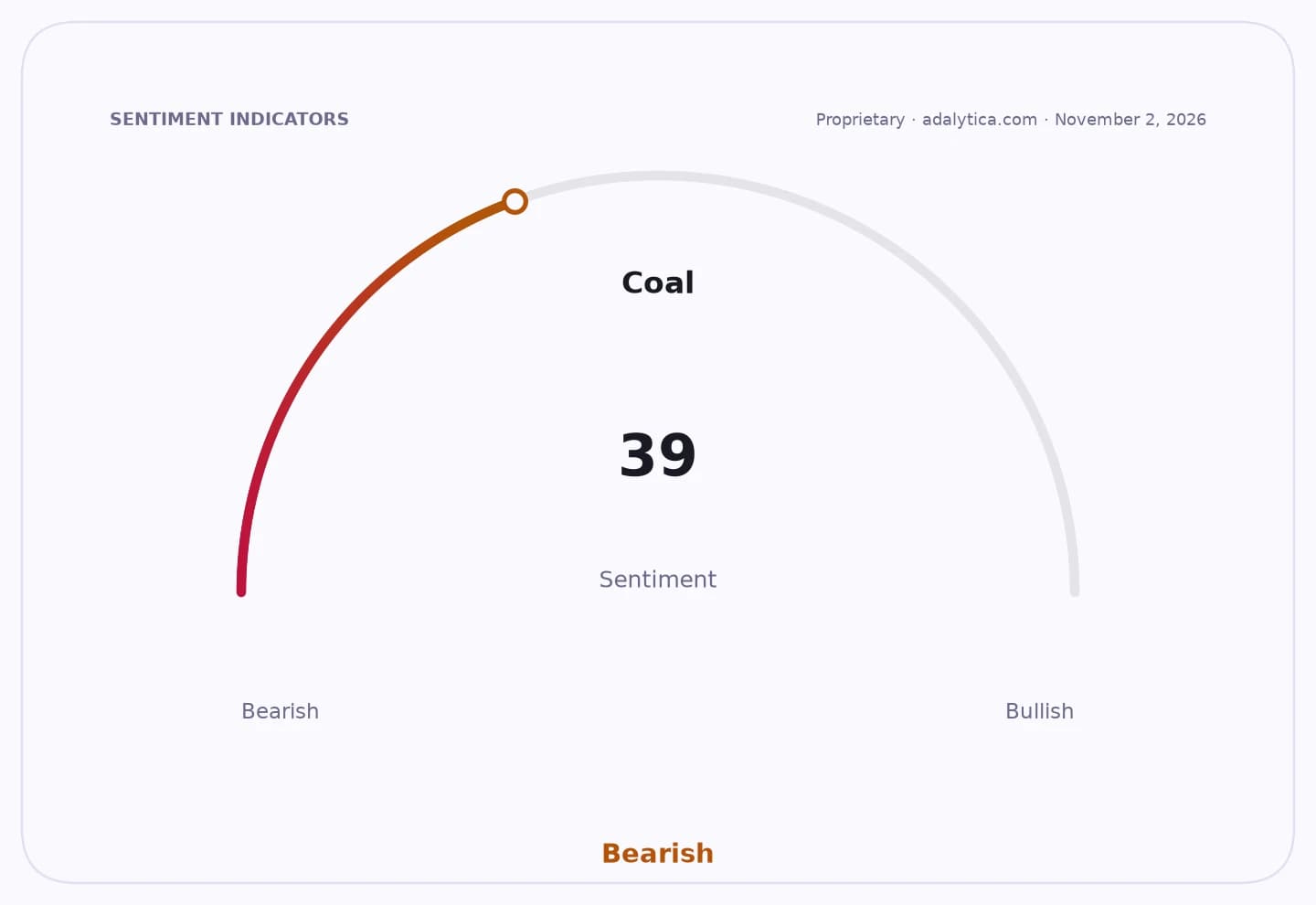
India is abandoning plans to require coal-fired power plants to blend imported coal, a policy reversal that underscores New Delhi’s push to rely more heavily on domestic production and cut exposure to volatile overseas fuel markets.
India drops plan to require imported coal blending

The move matters because India is one of the world’s largest coal consumers and any shift in its import policy can ripple through seaborne thermal coal trade, freight demand and power-sector costs. With global coal and oil markets still volatile, a retreat from mandatory imports reduces a potential source of demand for exporters while reinforcing the case for local miners and coal-linked infrastructure.
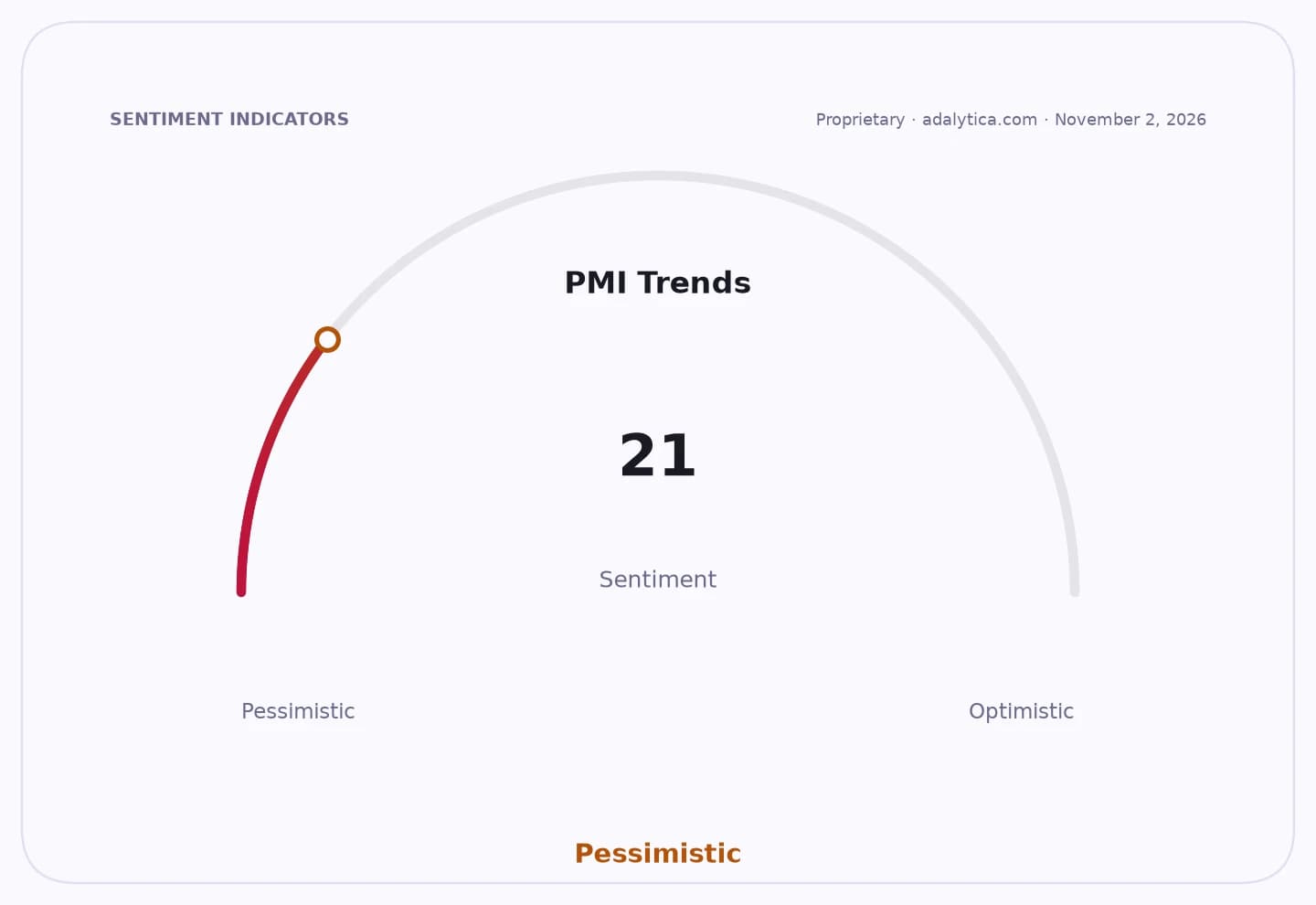
Sentiment Indicators
The policy also fits a broader energy-security strategy. India has been lifting domestic coal output and leaning harder into coal gasification to reduce import dependence, while officials have argued the country could save nearly ₹1.96 lakh crore a year by producing gas and fertilizer from coal at home.
That domestic turn comes as India’s infrastructure output rose 7.9% in September, helped by coal and electricity production, suggesting fuel availability remains central to industrial growth. The government’s focus on assured domestic supply is meant to support power generation without forcing utilities to buy more expensive imported coal during periods of tight global availability.
The decision is likely to matter most to coal exporters and shipping companies that had counted on Indian utility demand, while benefiting local producers and generators that can avoid higher import-linked costs. It also reduces pressure on power plant margins if international coal prices spike again.
Still, the policy shift does not eliminate India’s need for imported fuel entirely, and seaborne markets will keep watching Chinese coal buying, Russian export flows and regional supply bottlenecks. For investors, the key question is whether India’s domestic output can keep pace with rising power demand without reigniting shortages or forcing a later policy reversal.
| Entity | Gains | Losses |
|---|---|---|
| Indian coal miners | ▲Stronger domestic demand | ▼Less policy pressure to compete with imports |
| Indian power plants | ▲Lower fuel-cost risk | ▼Fewer supply options |
| Coal exporters | ▲None | ▼Lost Indian demand |
| Shipping firms | ▲None | ▼Fewer coal cargoes |