India has begun a ₹38.72 crore overhaul of 21 cotton testing laboratories as New Delhi tries to shore up quality control in a sector that is losing output, importing more fibre and vying to become a bigger global textile hub.
India upgrades 21 cotton testing laboratories
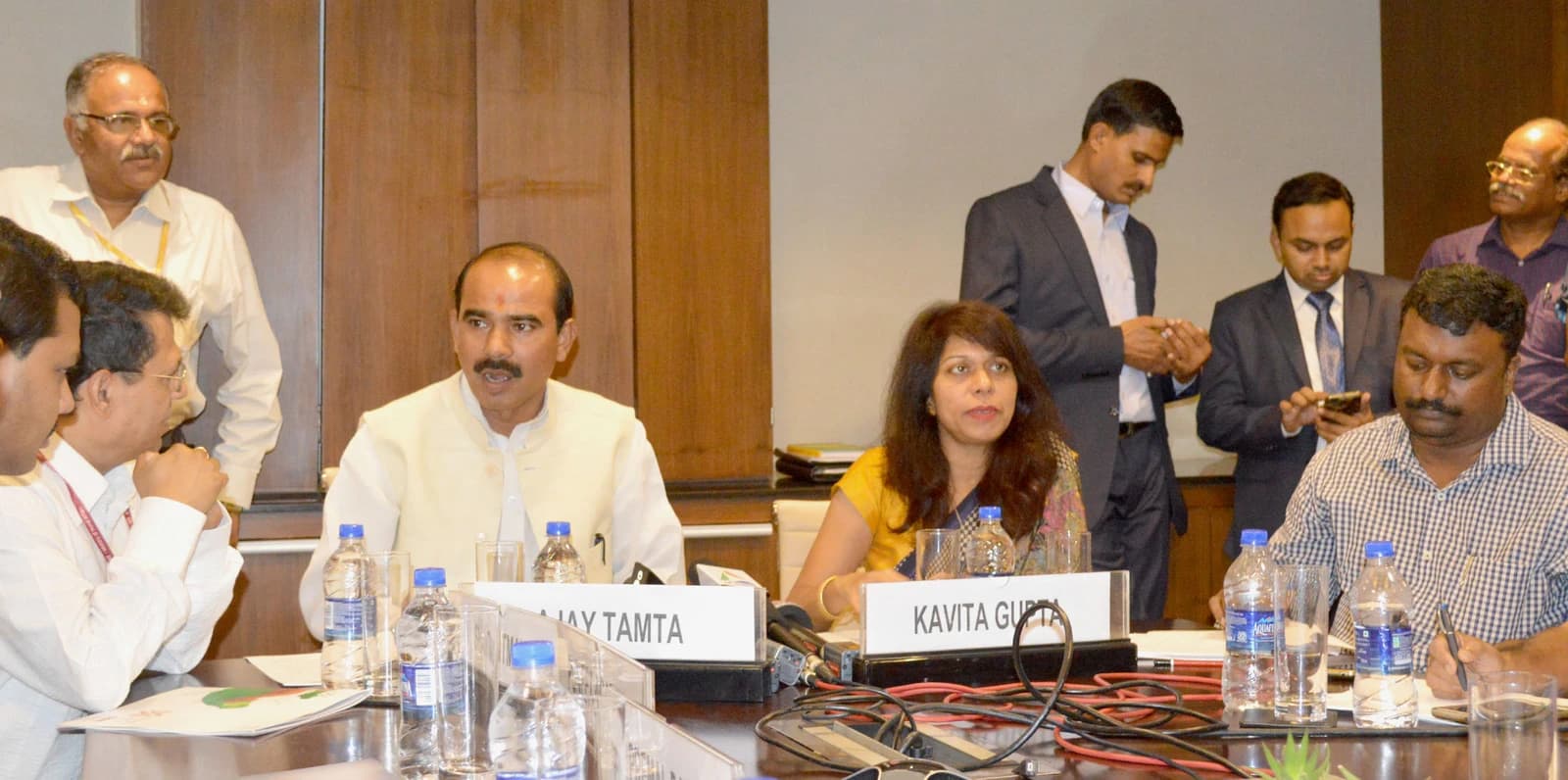
The modernization matters because cotton is the base material for one of India’s most important export industries, and inconsistent grading can distort prices, squeeze mill margins and weaken the country’s competitiveness against larger suppliers. By moving instrument-based testing closer to farms and gins, the government is trying to make quality assessment faster and more standardized across major cotton belts.
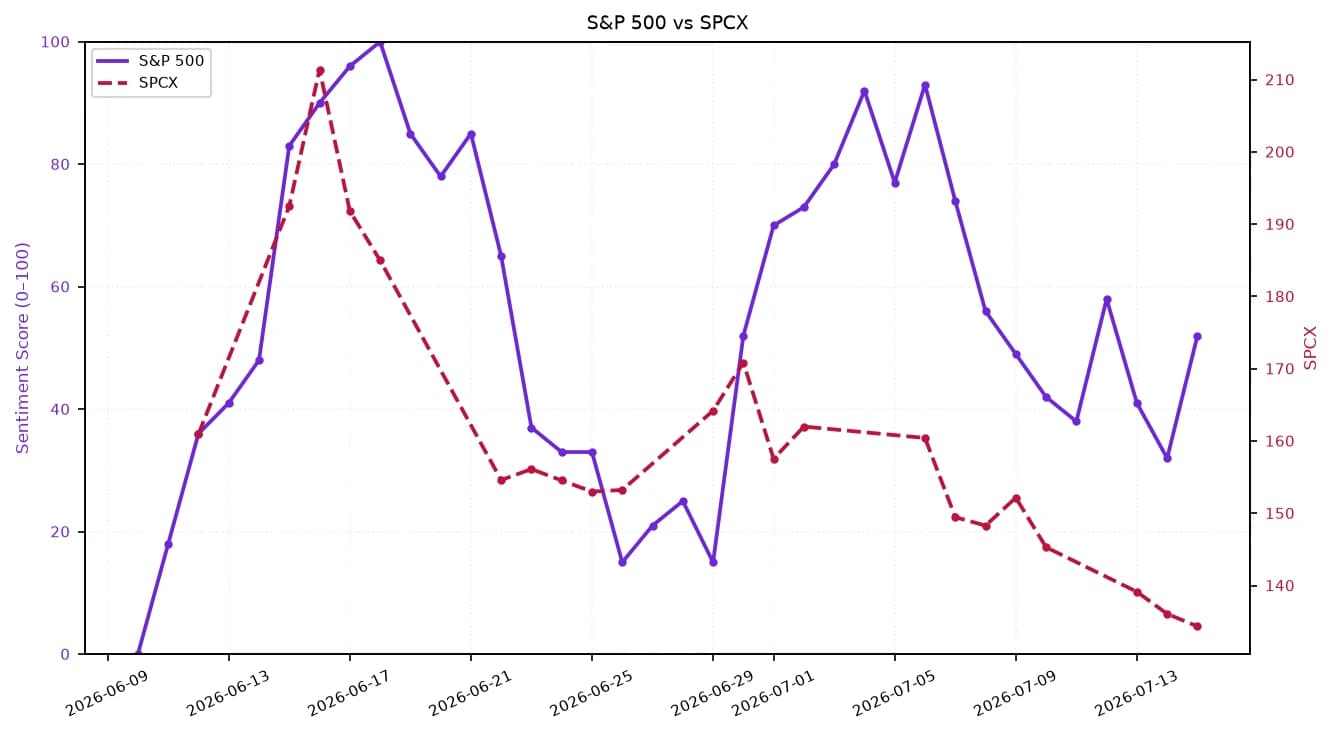
Sentiment IndicatorsⓘProprietary · adalytica.com · September 18, 2026
This is a snapshot — live sentiment, awareness and momentum for 130+ markets update continuously in the dashboard.Open AlphaPulse
The Bureau of Indian Standards is expediting the upgrade of labs run by the Textiles Committee, Power Loom Service Centres and the Cotton Corporation of India, with 14 high volume instrument testers and 28 trash analysers already commissioned across 13 facilities this year. The project will ultimately deploy 22 HVI testers and 44 trash analysers, allowing laboratories to measure fibre length, strength and impurity levels that determine spinning performance and yarn quality.
That shift is economically important because cotton trading depends not just on volume, but on the characteristics that affect processing efficiency and final fabric quality. Industry participants say broader access to standardized testing should reduce dependence on a small number of centers, improve transparency in transactions and give mills a clearer basis for pricing. For exporters, better raw material grading can support more consistent output and help protect margins in a market where buyers increasingly demand traceability and quality certainty.
The timing is telling. India’s cotton production has fallen from 33.66 million bales in FY23 to an estimated 29.1 million bales in FY26, even as domestic consumption is projected at 32.8 million bales, leaving a supply gap of about 3.7 million bales. Imports climbed to $1.2 billion in FY25 from $579.21 million a year earlier, while exports dropped to $660.40 million from $972.17 million. The government’s longer-term target is to lift output to 49.8 million bales by 2030-31, alongside a wider Mission for Cotton Productivity worth ₹5,659.22 crore.
For investors, the policy push points to a slow-burn attempt to de-risk India’s textile supply chain rather than an immediate fix. A better testing network could support ginners, spinners and exporters by improving price discovery and reducing disputes over quality. But it does not by itself solve the deeper constraints of farm productivity, climate variability and rising domestic demand. The bull case is that improved grading and inspection will strengthen India’s value-added textile exports; the bear case is that quality reforms lag behind the structural supply deficit and the industry remains dependent on imports.
The broader narrative is that India is trying to move from being a large cotton producer to a more reliable cotton system. If the lab revamp is paired with higher yields and better farm practices, it could help anchor more of the textile value chain at home. If not, the country may end up with better testing of a shrinking crop.
| Entity | Gains | Losses |
|---|---|---|
| Indian textile mills | ▲Better quality grading | ▼Higher input uncertainty |
| Cotton farmers | ▲Fairer price discovery | ▼Pressure to improve fibre quality |
| Cotton exporters | ▲More standardized supply | ▼Short-term adjustment costs |
| Foreign cotton suppliers | ▲Potential import demand | ▼Lost market share |