India’s opposition Congress is turning food inflation into an election weapon, arguing that voters in five key states will punish Prime Minister Narendra Modi over the cost of staples such as flour, pulses and edible oil.
India Congress targets food inflation in state polls
The pitch matters because food prices hit households far faster than headline economic data, especially in India where a large share of spending still goes to the kitchen. Even when broader inflation cools, rising prices for basic ingredients can erode real wages, squeeze consumption and shape voting behavior in states heading into assembly polls.
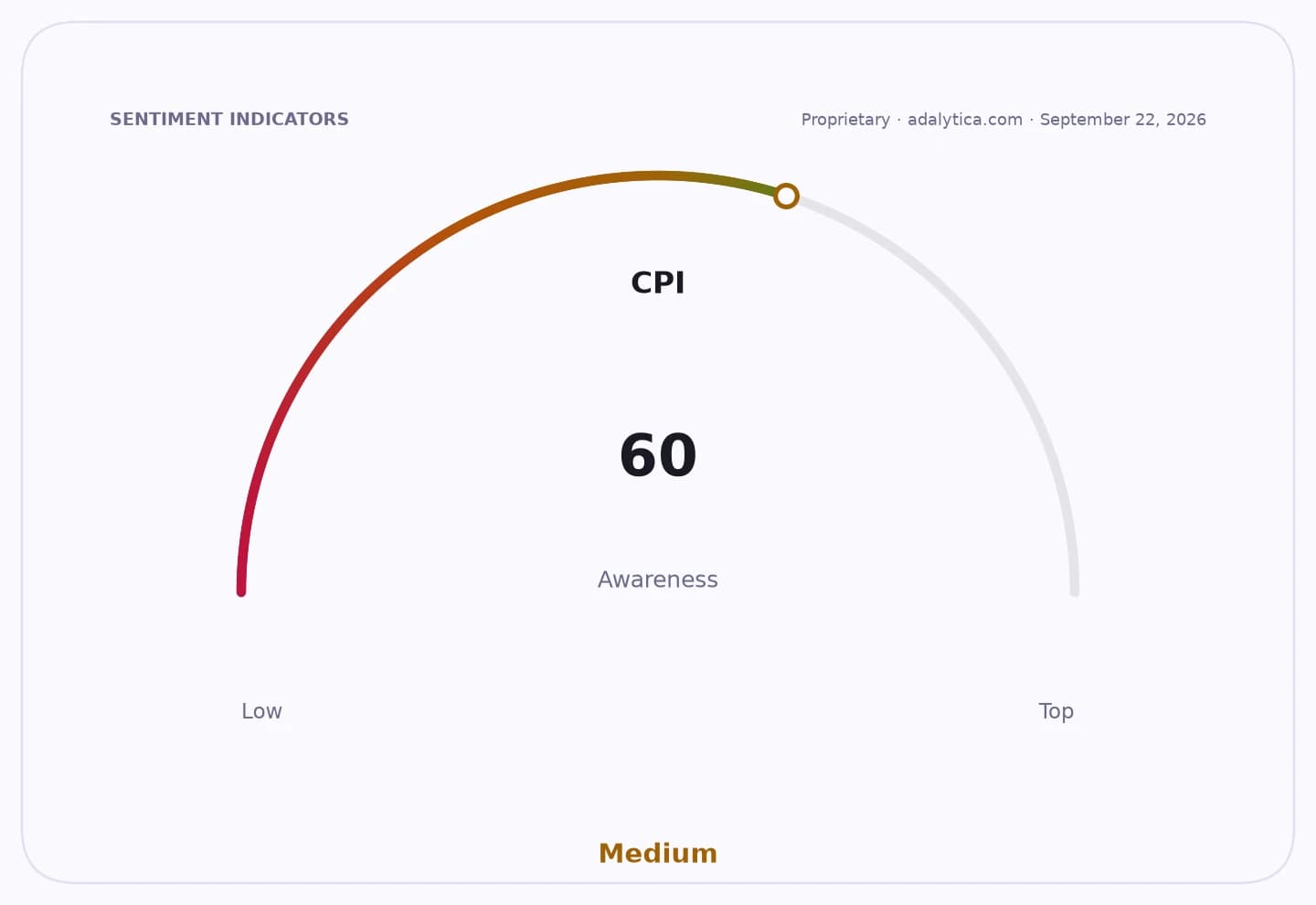
Sentiment IndicatorsⓘProprietary · adalytica.com · September 22, 2026
This is a snapshot — live sentiment, awareness and momentum for 130+ markets update continuously in the dashboard.Open AlphaPulse
Congress general secretary Jairam Ramesh accused the government of using “data gymnastics” to claim inflation is under control while ordinary families see their monthly grocery bills climb. He said the burden is being felt most in Uttar Pradesh, Uttarakhand, Punjab, Manipur and Goa, where the party is betting that kitchen-table economics will outweigh official messaging.
The criticism lands at a sensitive moment for Modi’s government, which has made price stability a central political promise. If voters focus on staples rather than aggregate inflation readings, the issue could widen pressure on the ruling Bharatiya Janata Party and force New Delhi to lean harder on measures such as import management, buffer stock releases and tighter oversight of essential food supplies.
The broader backdrop is still unfavorable for food buyers. Climate risks, including El Niño-linked supply disruptions, remain a concern for agricultural output and food availability, keeping pressure on the prices of everyday items that carry outsized political weight.
For investors, the message is that food inflation remains a policy and political risk even when other macro indicators look manageable. A renewed push to cap prices or cool public anger could affect farm economics, consumer demand and the outlook for India’s inflation path ahead of the next round of state elections.
| Entity | Gains | Losses |
|---|---|---|
| Congress | ▲Political leverage on cost of living | ▼If inflation eases before polls |
| Modi government | ▲None from this narrative | ▼Credibility on price stability |
| Consumers/voters | ▲Possible policy relief | ▼Higher grocery bills |
| Food suppliers/traders | ▲Higher selling prices | ▼Risk of scrutiny and controls |