For anyone looking to open an Indane gas agency, the biggest hurdle is not demand but access: oil marketing companies decide where a new LPG dealership is needed, then allocate it through a public advertisement and lottery, with land, storage and other compliance costs determining who can actually qualify.
Indane gas agency rules, costs and lottery process
That matters because LPG distribution is a regulated retail network, not an open franchise market. In India, Indian Oil’s Indane, BPCL’s Bharat Gas and HPCL’s HP Gas all expand through official marketing plans rather than private booking, which limits speculation and keeps distribution rights tied to policy, geography and infrastructure. For prospective applicants, the cost is therefore a mix of application fee, land acquisition or lease, showroom and godown setup, and the capital needed to meet district-specific eligibility norms.
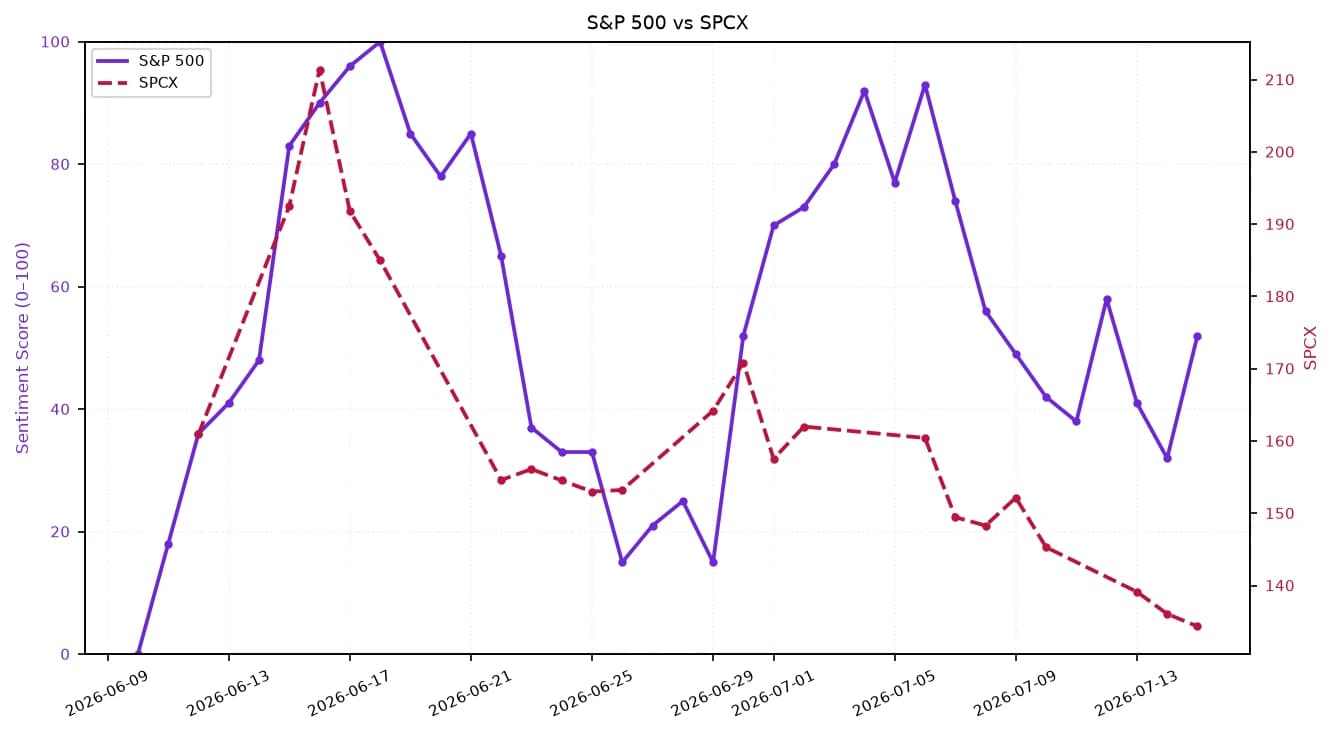
Sentiment IndicatorsⓘProprietary · adalytica.com · September 23, 2026
This is a snapshot — live sentiment, awareness and momentum for 130+ markets update continuously in the dashboard.Open AlphaPulse
The process also makes timing crucial. Applicants cannot simply choose a location and apply; oil companies first survey whether a district or neighborhood needs another distributor, then issue an advertisement with the exact rules, fee, deadline and selection criteria. In competitive urban markets, selection is by draw among eligible bidders, which means a well-financed applicant can still lose out if the lottery goes another way. That structure favors those with both ready capital and clean documentation, while discouraging informal entrants who may assume a dealership can be secured through connections.
The safety backdrop adds another layer. Recent LPG accidents and tighter cylinder norms have kept compliance in focus, reinforcing the importance of storage standards, site suitability and handling procedures for distributors. For oil companies, the screening process reduces the risk of expanding into unsafe or undersupplied areas. For investors in the broader LPG ecosystem, it supports the idea that distribution remains a sticky, regulated business with high entry barriers and recurring demand, rather than a low-cost retail play.
The upshot is that the economics of opening an LPG agency are driven less by the sticker price of an application and more by the scarce, location-based right to distribute. The key watchpoint for would-be applicants is the official advertisement: that is where the real cost, land requirement and eligibility threshold are set, and where the probability of success is ultimately decided.
| Entity | Gains | Losses |
|---|---|---|
| Oil marketing companies | ▲tighter control | ▼faster expansion |
| Eligible applicants | ▲formal access | ▼guaranteed selection |
| Landowners and site lessors | ▲rental demand | ▼lower bargaining power |
| Competing local distributors | ▲protected markets | ▼new competition |