Hungarian households are becoming more willing to take on debt even as their broader financial optimism slips, a mix that points to easing inflation pressure and improving credit demand after years of price shocks and caution.
Hungary households raise borrowing plans as inflation eases
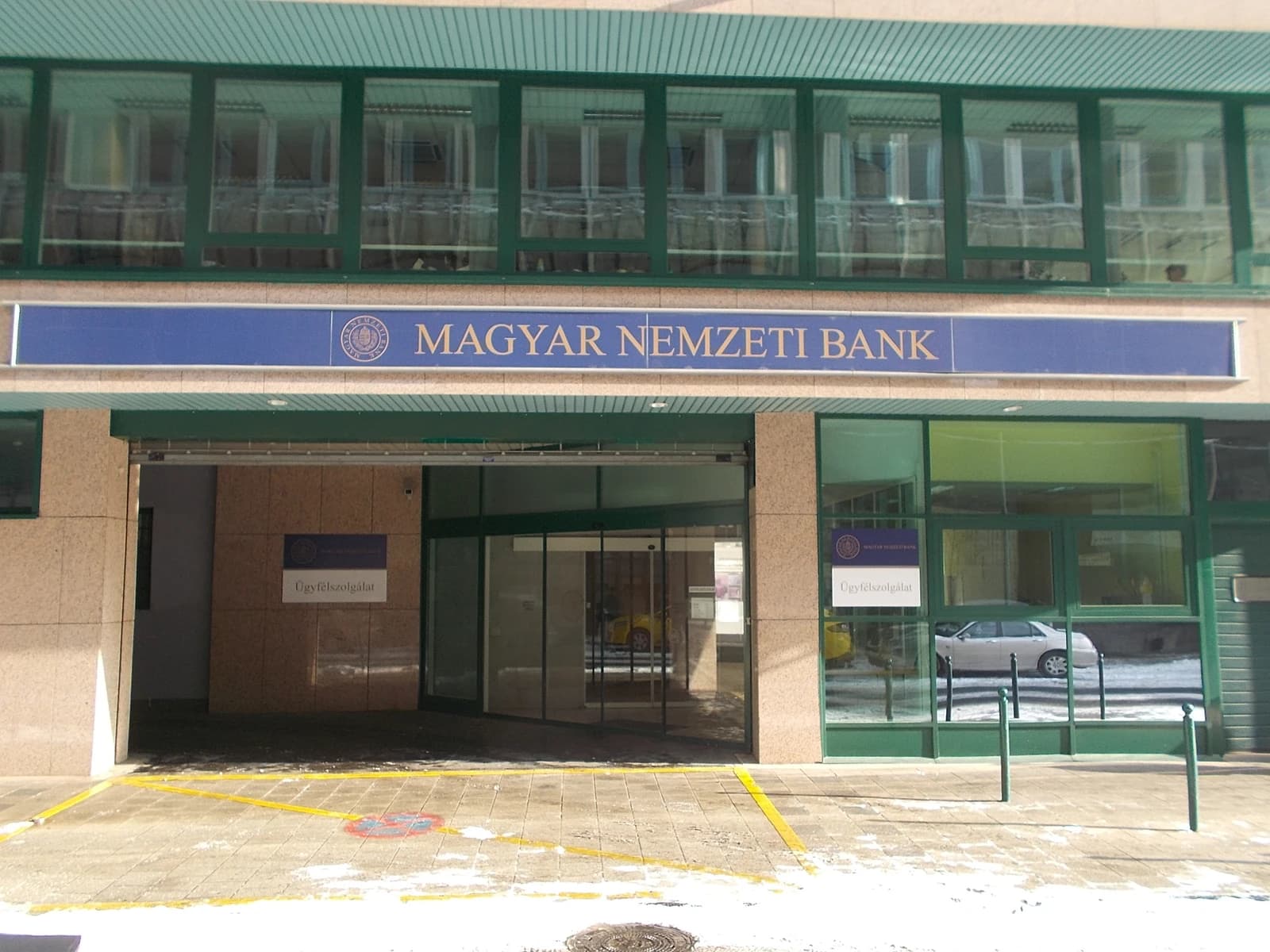
The Magyar Nemzeti Bank’s latest savings survey shows the share of households planning to borrow rose to a four-year high in the third quarter, driven mainly by stronger interest in mortgage and other housing-linked loans. At the same time, expectations for price growth kept falling: the median one-year inflation outlook dropped to 4.1% from 4.8% in the previous quarter, while the perception of inflation over the past year fell to 6.6% from 8.7%. The decline in inflation expectations is economically important because it usually supports real incomes, stabilises consumption planning and lowers the risk that households delay spending out of fear of further price rises.
Sentiment Indicators
That shift is notable for the central bank and for lenders. If households believe inflation is cooling and the forint is not headed for a sharp slide, they are more likely to commit to long-term borrowing, especially in the property market. The survey found expectations for the euro exchange rate moved to 361 forint from prior levels, but fears of a move above 400 per euro effectively disappeared. Households also said they still plan to save at a high rate, with nearly 60% expecting to set money aside over the next year, suggesting demand for credit is recovering without a wholesale retreat from precautionary saving.
The MNB’s findings also show the improvement is uneven. Optimism about future household finances eased from a record level, with the share expecting their financial situation to improve slipping to 27% from 30%. The correction was sharper among retirees, where the proportion expecting better finances fell to 18% from 26%. That matters because it suggests the recovery in confidence is broad but fragile, and still shaped by age and income profile rather than a uniform rebound in sentiment.
For investors, the key implication is that Hungary may be moving into a more supportive environment for consumer lending and housing activity even as rate expectations remain a constraint. Bank shares and mortgage lenders could benefit if credit demand strengthens, though the durability of that trend will depend on wage growth, labour-market resilience and whether inflation continues to cool. A further rise in borrowing appetite would help domestic demand, but a renewed forint sell-off or an inflation rebound would quickly undermine the case.
In the near term, markets will watch whether falling inflation expectations translate into stronger loan growth and whether the MNB sees enough disinflation to keep policy steady. For now, the message from households is that Hungary’s consumers are still cautious, but they are once again prepared to borrow.
| Entity | Gains | Losses |
|---|---|---|
| Hungarian banks | ▲Higher loan demand | ▼Slower credit growth |
| Mortgage lenders | ▲Stronger housing finance demand | ▼Weak property financing appetite |
| Hungarian households seeking credit | ▲Easier access to borrowing | ▼Higher debt exposure |
| Savers without borrowing needs | ▲Stable real-income outlook | ▼Lower urgency to deploy cash |