The Houthis are not just a Yemeni insurgency anymore — they have become one of Iran’s most useful pressure points against the U.S., Saudi Arabia and Israel, and that makes the Red Sea corridor a live risk for global energy and shipping markets.
Houthis, Red Sea Risk and Oil Market Exposure
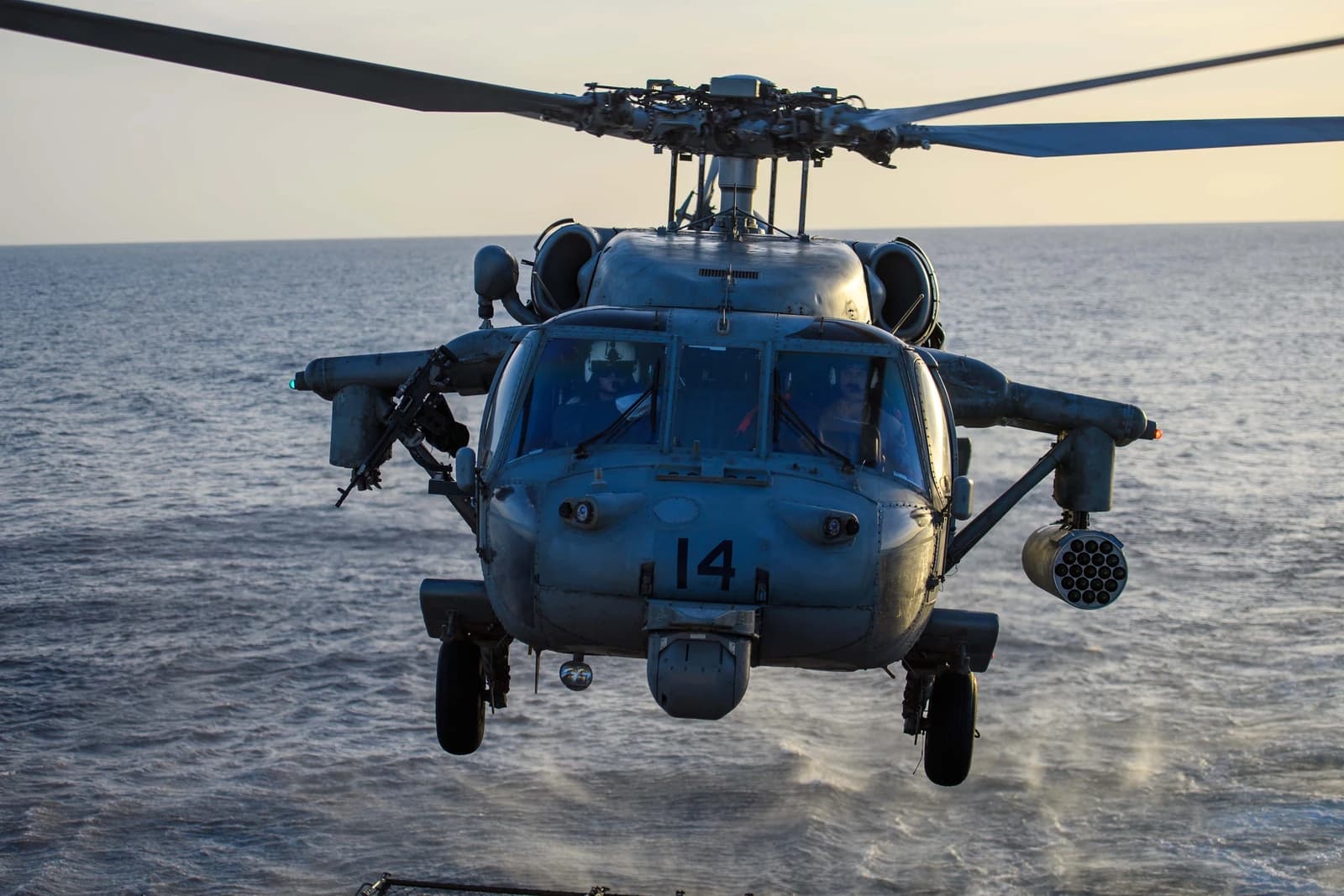
That matters because the group’s growing missile and drone capability gives Tehran a cheap way to widen the conflict without committing its own forces directly. For investors, the lesson is simple: as long as the Houthis can threaten Saudi Arabia, the Bab el-Mandeb chokepoint and vessels moving through the Red Sea, oil prices, freight costs and regional risk premiums can jump fast, even when the fighting itself is far from major producing fields.
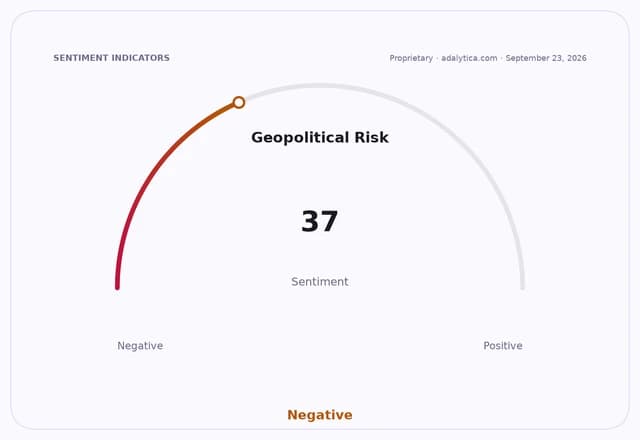
Sentiment IndicatorsⓘProprietary · adalytica.com · September 23, 2026
This is a snapshot — live sentiment, awareness and momentum for 130+ markets update continuously in the dashboard.Open AlphaPulse
Saudi Arabia’s latest air-raid alerts in Riyadh and other cities underline how far the threat has spread. The warnings — the first in the capital since hostilities reignited in July — also covered Jeddah, Abha, Jazan and, for the first time, the Farasan Islands in the Red Sea. Authorities later issued an alert for Al Kharj, home to the strategic Prince Sultan air base.
That is exactly why the Houthis matter economically. They have shown they can reach deep into Saudi territory, threaten energy infrastructure and disrupt maritime traffic along one of the world’s most important trade routes. The group has already attacked Israel with missiles and drones and targeted commercial shipping in the Red Sea after the Gaza war began in October 2023.
Geopolitical Risk vs CL=Fadalytica.com
Explore this data interactively — full history, time series and cross-market comparisons.Open AlphaPulse

The scale of the buildup is not trivial. A United Nations expert report last year put Houthi strength at 350,000 fighters, up from 220,000 in 2022 and just 30,000 in 2015. The group says one of its most powerful weapons is the Palestine-2 hypersonic ballistic missile, which it claims can travel 2,150 km at nearly 19,755 km/h. Whether every claim holds up or not, the trend is clear: the Houthis have moved from a local rebel force to a regional security problem with strategic reach.
Iran’s role is central to that evolution. The Houthis see themselves as part of Tehran’s “Axis of Resistance,” and that alignment gives Iran a way to open new fronts while avoiding a direct conventional confrontation. Western analysts say the group has become more careful after losses in clashes with the U.S. last year, but the latest escalation suggests restraint can quickly give way to pressure tactics when the moment suits Tehran.
For markets, the key question is not whether the Houthis can defeat Saudi Arabia militarily. It is whether they can keep raising the cost of doing business in the Middle East. The answer increasingly looks like yes. WTI crude recently pushed above $150 before easing back toward the high $140s, while sector funds such as the Energy Select Sector SPDR have also reflected the market’s sensitivity to regional supply risk. Even when prices cool, the message to investors is unchanged: geopolitical risk in the Gulf still has the power to move energy, defense and transportation stocks in a hurry.
There is a broader strategic narrative here too. If the Houthis expand further across the Red Sea, Bab el-Mandeb, the Gulf of Aden and long-range strike zones, they could force Saudi Arabia and the U.S. to spread their defenses thinner. That would strengthen Iran’s bargaining position, keep shipping insurers on edge and preserve a premium in oil-linked assets.
For long-term investors, the development is a reminder that geopolitical shocks rarely stay contained. Energy producers, tanker operators, defense contractors and diversified global portfolios all have different exposures to this kind of volatility. The best response is not prediction, but preparation: own quality businesses, expect periodic spikes in risk, and treat the Red Sea corridor as a standing watchlist item.
| Entity | Gains | Losses |
|---|---|---|
| Iran | ▲Wider leverage over rivals | ▼Direct confrontation risk |
| Houthis | ▲Bigger regional influence | ▼More retaliation risk |
| Saudi Arabia | ▲— | ▼Higher security costs |
| Oil producers/shipping firms | ▲Higher prices, tighter freight markets | ▼Disruption and margin pressure |