The U.S. House of Representatives has approved a sanctions bill that would give President Donald Trump power to impose tariffs of up to 100% on major buyers of Russian energy, escalating Washington’s economic pressure on Moscow and Tehran at a moment when oil markets are already sensitive to supply disruption risk.
House approves Russia energy sanctions bill

The measure passed 262-159 and now goes to Trump for signature after clearing the Senate, making it the first major sanctions step since his return to office. Its economic significance is less about the vote itself than the latitude it gives the White House: the bill targets the cash flow that funds Russia’s war effort by threatening the countries and companies that continue to absorb Russian crude and gas, while also extending restrictions on Iran’s energy and defense sectors.
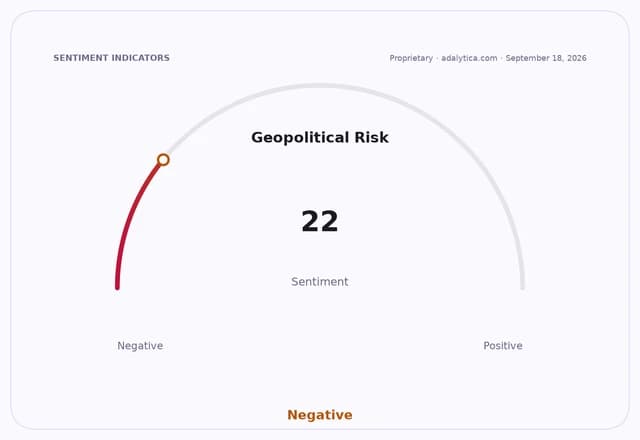
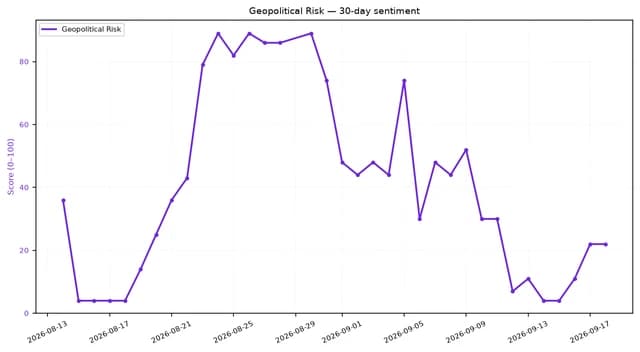
Sentiment IndicatorsⓘProprietary · adalytica.com · September 18, 2026
This is a snapshot — live sentiment, awareness and momentum for 130+ markets update continuously in the dashboard.Open AlphaPulse
For markets, the key issue is not just additional sanctions on Russian officials, oligarchs, banks and the so-called shadow fleet of tankers. It is the possibility that the U.S. could weaponize tariffs against large energy importers, raising the stakes for refiners and traders in Asia and elsewhere that still help clear Russian barrels. That adds a new layer of policy risk to an oil market already trading near levels that reflect geopolitics as much as fundamentals.
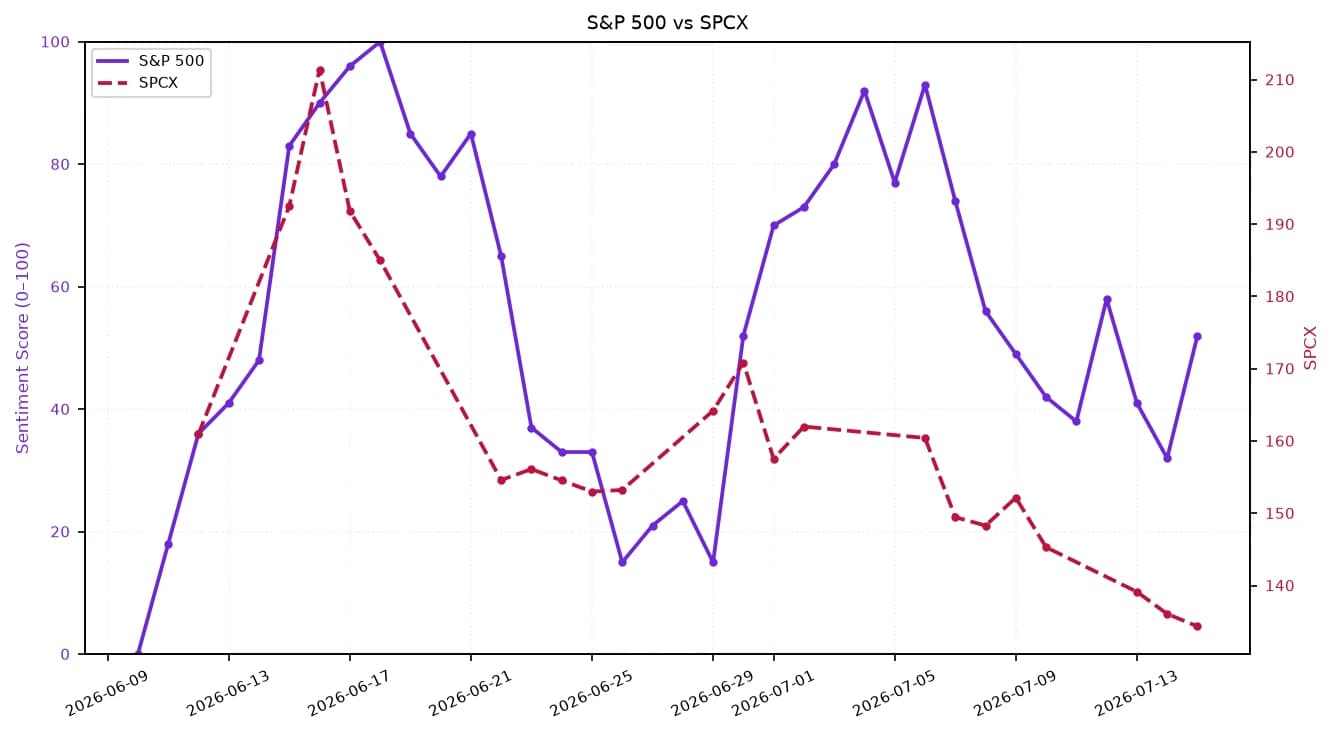
Oil has been on edge. U.S. crude futures recently traded around $157 a barrel in the supplied market data, while the West Texas Intermediate benchmark has surged from about $86 in April. Natural gas exposure has also been volatile, with the United States Natural Gas Fund drifting near $10.4, below its 200-day moving average but still in a market shaped by geopolitical supply concerns. The broader message is that investors are already pricing in a world where sanctions, tariffs and shipping constraints can reshape energy flows quickly.
The legislation, named after Senator Lindsey Graham, has bipartisan backing even as seven Republicans voted against it. That matters because it signals that Congress is prepared to harden the policy line on Russia despite Trump’s earlier reluctance to move aggressively on sanctions. Trump has indicated he is prepared to sign the bill, but the market impact will depend on how far he chooses to push actual enforcement.
A hard line could tighten Russian export channels, lifting freight costs, widening discounts on sanctioned barrels and supporting prices for non-Russian supply from producers such as U.S. shale companies and Middle East exporters. Chevron and Exxon Mobil, both exposed to global crude pricing and sanctions-sensitive regions, stand to benefit from higher realized prices if supply is constrained, though their own geopolitical exposure remains a risk. Importers and refiners that depend on Russian feedstock would be on the losing side, particularly if secondary tariffs complicate settlement and insurance for trade flows.
The Kremlin has already condemned the move, and Moscow’s reaction suggests the bill may complicate any diplomatic opening over Ukraine rather than accelerate one. That is important for investors because sanctions policy now sits at the intersection of war risk, inflation risk and energy supply risk. If Trump uses the authority aggressively, the result could be a sharper squeeze on Russian revenue and a further bid in crude. If he uses it selectively, the market may still trade on headline risk, but with less immediate disruption to flows.
For now, the House vote is a clear escalation in the economic campaign against Russia and Iran. The next catalyst is the president’s signature and, more importantly, whether the White House turns the bill’s tariff language into an active tool against the biggest buyers of Russian energy.
| Entity | Gains | Losses |
|---|---|---|
| U.S. refiners / non-Russian suppliers | ▲Higher crude prices | ▼More volatility |
| Russia / Iran | ▲None | ▼Export revenue pressure |
| Major buyers of Russian energy | ▲None | ▼Tariff and sanctions risk |
| U.S. lawmakers / White House | ▲Policy leverage | ▼Higher diplomatic tension |