Hitachi is committing 80 billion yen to expand its U.S. electrical equipment footprint, underscoring how the AI buildout is forcing utilities and industrial suppliers to race for grid capacity.
Hitachi to Invest 80 Billion Yen in U.S. Transformer Plant
The Japanese group said the investment will fund a new transformer factory in the southern United States, where it expects demand from data centers and other AI-linked power users to keep rising. That matters because transformers sit at the bottleneck of the AI economy: without them, utilities cannot connect new loads, and data-center operators cannot get the power they need to keep expanding.
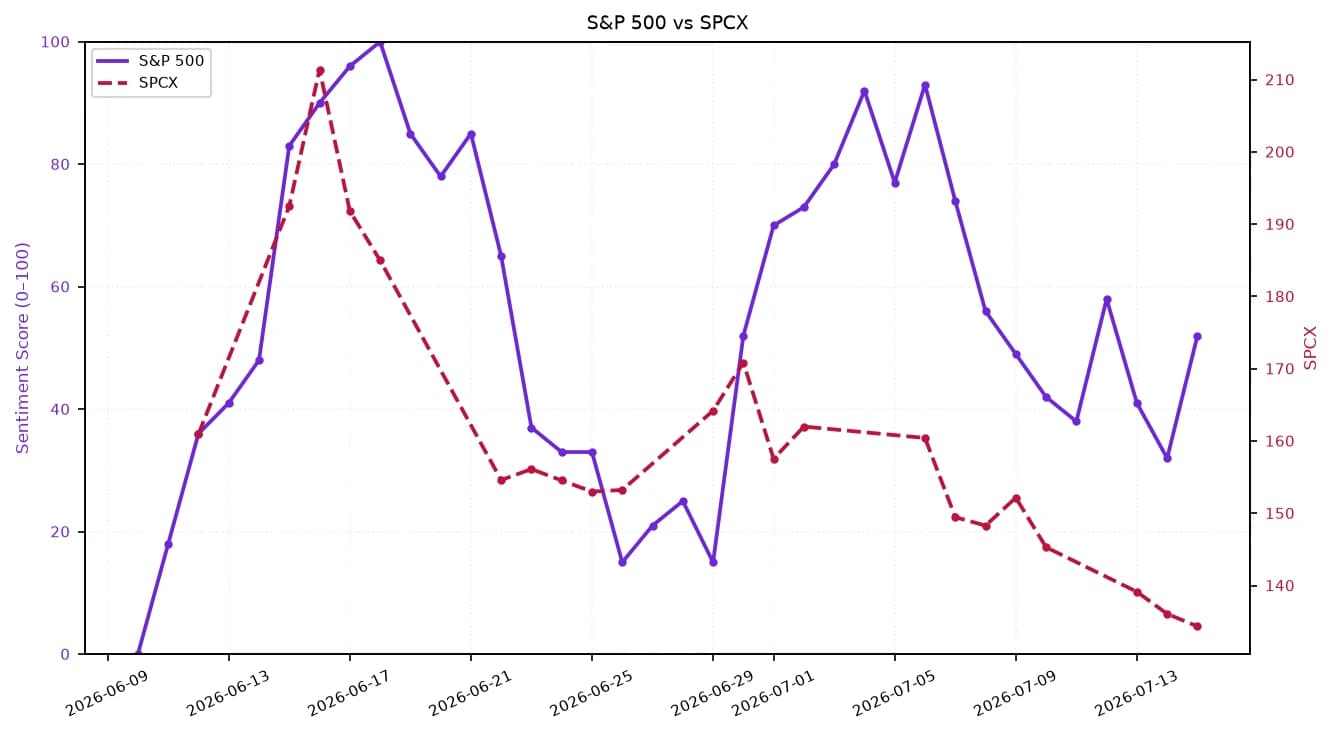
Sentiment IndicatorsⓘProprietary · adalytica.com · September 15, 2026
This is a snapshot — live sentiment, awareness and momentum for 130+ markets update continuously in the dashboard.Open AlphaPulse
The move is part of a broader shift in global capital spending as artificial intelligence turns electricity equipment into a strategic growth market. The latest U.S. industrial production data show manufacturing output holding close to 103, little changed from recent months, while job openings remain elevated at about 7.3 million, pointing to an economy still churning through capacity constraints rather than overheating. In that environment, the companies supplying grid hardware, switchgear and power management systems are among the clearest beneficiaries of the AI investment cycle.
For Hitachi, the bet gives it a better chance to capture orders from U.S. utilities and hyperscale cloud operators looking to shorten lead times and avoid tariff or logistics risk. Local production also helps the company position itself as a domestic supplier at a moment when Washington is encouraging more onshore manufacturing in critical infrastructure. The southern U.S. location is likely to give it access to a deep labor pool and closer proximity to fast-growing power markets across the Sun Belt.
Investors have already been rewarding the power-equipment theme. Shares of Eaton and GE have both outperformed broader industrial benchmarks this year, with Eaton trading around $392 after a volatile run and GE near $307, even though both have pulled back from recent highs. Their performance reflects the same trade Hitachi is now pursuing: the idea that AI is not just a software story, but a long-duration infrastructure cycle that reaches into turbines, transformers, cooling systems and transmission gear.
The bull case is that demand is still early and will remain resilient as utilities, chipmakers and data-center developers keep spending. The bear case is that bottlenecks in permitting, labor, copper and high-voltage equipment could slow project execution and compress margins if capacity expands faster than orders. Still, the direction of travel is clear: AI is turning electricity hardware into one of the market’s most important industrial growth narratives.
For investors, the key question now is not whether AI needs more power, but which suppliers can scale fast enough to capture it without giving back pricing power.
| Entity | Gains | Losses |
|---|---|---|
| Hitachi | ▲U.S. transformer orders | ▼Capital outlay, execution risk |
| U.S. utilities/data centers | ▲Faster grid access | ▼Higher equipment competition |
| Eaton, GE and peers | ▲Stronger demand backdrop | ▼Pressure if supply chain tightens |
| Consumers/taxpayers | ▲Potential local jobs | ▼Upfront infrastructure costs |