Greek cotton producers are heading into 2026 with stronger yields and better fiber quality, but the market is still failing the one test that matters most for farm incomes: price.
Greek Cotton Output Rises as Farmgate Prices Lag
Early harvest data point to a crop that could top 700,000 tons of seed cotton, up about 10% from an estimated 650,000-700,000 tons last season, according to the head of Greece’s cotton interprofessional group. That is a meaningful improvement for a sector that depends on volume, quality and exportability to protect margins. But growers are already selling at around 0.48-0.50 euros a kilogram at the farm gate, a level that the industry says sits too close to production costs to be comfortable.
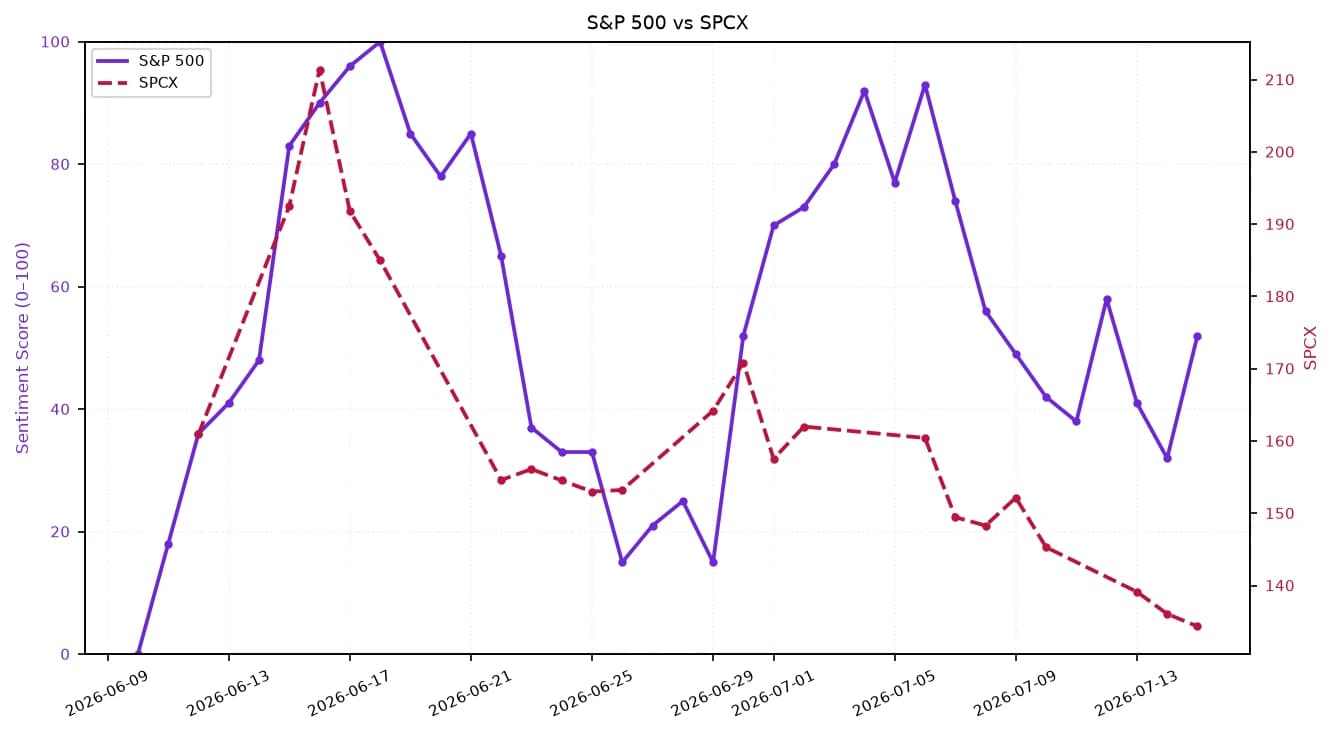
Sentiment IndicatorsⓘProprietary · adalytica.com · September 22, 2026
This is a snapshot — live sentiment, awareness and momentum for 130+ markets update continuously in the dashboard.Open AlphaPulse
The tension is economic, not just agronomic. Higher output can support export revenues and improve Greece’s position in international lint markets, particularly if quality gains are confirmed during ginning and merchandising. A better crop also helps offset weather risk and gives traders more confidence in supply. But when input costs remain elevated, more bales do not automatically translate into better farm profitability. For cotton growers, the downside is simple: if prices do not improve, a good harvest can still leave cash flow strained.
The broader backdrop is not helping. Cotton markets have been under pressure globally as buyers stay cautious and farmgate prices soften in several producing regions. The producer group is pushing for greater use of hedging and forward-selling tools, which would let farmers lock in prices earlier and reduce exposure to swings after harvest. That matters because the current pricing environment leaves little room for error, especially for smaller growers with less flexibility on timing and financing.
There is also a policy and compliance angle. A delay in opening the country’s unified farm declaration system is adding uncertainty around eligibility for a program that tracks the crop’s environmental footprint. That matters beyond bureaucracy: sustainability documentation is increasingly tied to commercial access, especially in premium export channels. Greece’s cotton industry has spent four years cutting its environmental footprint, and officials see that progress as a way to add value and improve competitiveness. If verified and marketed properly, cleaner production could eventually support better pricing power.
For investors and agribusiness buyers, the story is therefore split. The supply side looks better, which is constructive for merchants, spinners and downstream users looking for reliable, higher-quality fiber. But the income side remains fragile, and that can feed back into planting decisions, working capital stress and the industry’s willingness to invest in quality upgrades. If prices stay low into the marketing season, the market may reward processors and exporters more than growers themselves.
What to watch next is whether stronger output is matched by firmer export demand and whether growers can use forward contracts to defend margins. Without that, 2026 may still be remembered as a good year for Greek cotton in the field, but not necessarily in the wallet.
| Entity | Gains | Losses |
|---|---|---|
| Greek cotton buyers | ▲Better supply, higher quality | ▼— |
| Greek cotton farmers | ▲Bigger crop volume | ▼Low farmgate prices |
| Exporters / ginners | ▲More marketable fiber | ▼Margin pressure if prices stay weak |
| Downstream textile buyers | ▲Easier sourcing | ▼Less incentive for higher bids |