China’s Gree Electric Appliances is pushing deeper into Europe, and for investors the bigger story is not just a sales pitch from one of the country’s best-known industrial executives — it is a sign that Chinese manufacturers are finding new ways to grow outside a sluggish home market.
Gree Electric Expands in Europe on HVAC Demand
Dong Mingzhu, the chairwoman who earned the nickname “iron lady” for her hard-charging style, says Europe still offers room for expansion because households there need both cooling and heating, especially after a record-hot summer and with long winters still ahead. Gree has developed systems that can do both while using less energy than oil- or gas-based heating, a pitch that speaks directly to Europe’s energy costs and climate goals.
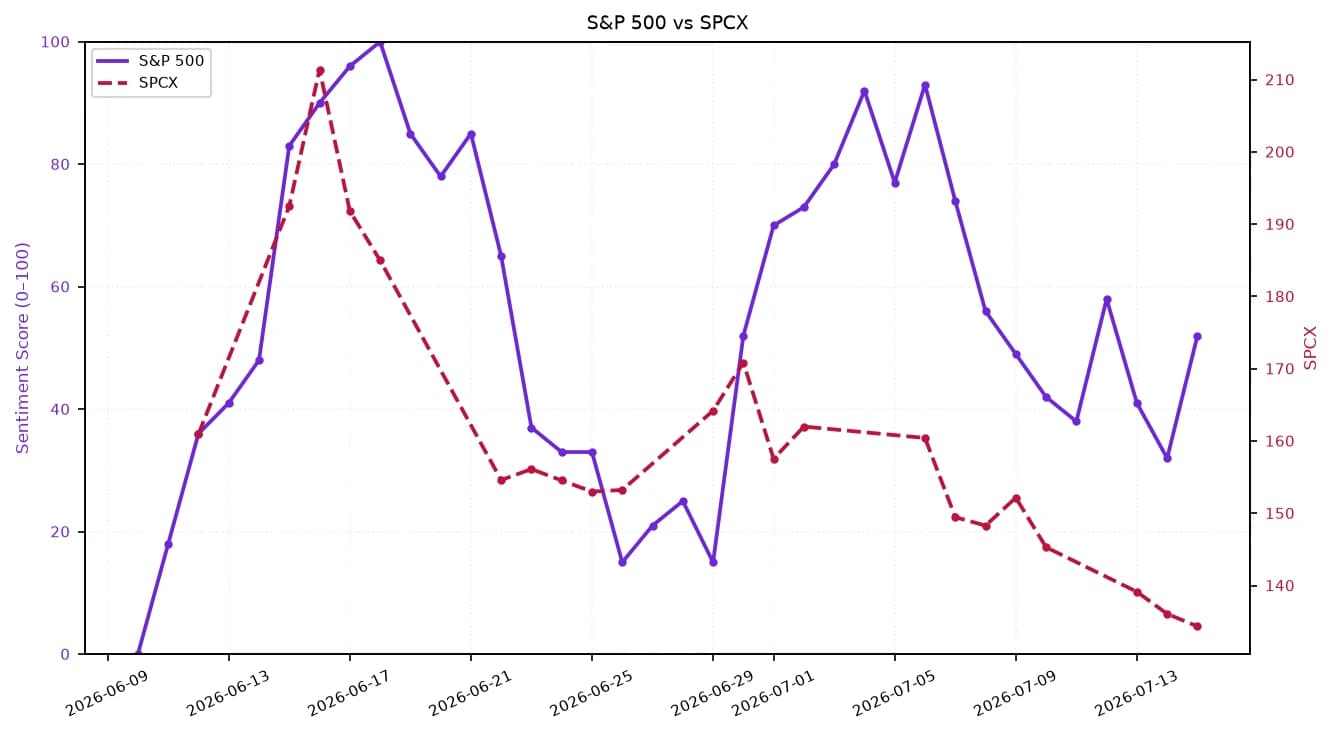
Sentiment IndicatorsⓘProprietary · adalytica.com · September 20, 2026
This is a snapshot — live sentiment, awareness and momentum for 130+ markets update continuously in the dashboard.Open AlphaPulse
That matters because Europe is one of the few large markets where demand for air conditioning still has meaningful runway. Gree said sales in parts of Europe, including Norway and Denmark, jumped 92% in the first half of the year. For a company that, by Citigroup’s estimate, still gets only about 15% of revenue from overseas, that kind of growth hints at a long expansion story if the brand can keep converting hot-weather demand into a year-round heating-and-cooling business.
The investment case is straightforward: if Gree can build a durable foothold in Europe, it can reduce its dependence on China, where the property slump has weakened demand and where even Dong says it is a mistake to rely on real-estate development for growth. At the same time, higher copper prices have eaten into profits this year, showing that even a strong sales trend does not guarantee margin expansion.
That tension is exactly why investors should pay attention. Gree is trying to pair a secular demand trend — more air conditioning in a warming world — with a product that fits Europe’s energy-efficiency priorities. If it works, the company could become a more international, more resilient earnings story. If it does not, rising input costs and a softer domestic backdrop will keep weighing on results.
The broader takeaway is that Chinese industrial companies are still looking abroad for growth, even as Beijing prepares support for its financial system and global markets stay jumpy. For long-term investors, Gree is worth watching as a case study in whether Chinese brands can turn overseas climate and energy demand into lasting market share.
| Entity | Gains | Losses |
|---|---|---|
| Gree Electric Appliances | ▲European expansion | ▼Domestic slowdown risk |
| European consumers | ▲Lower-energy HVAC options | ▼Dependence on new suppliers |
| Competitors in HVAC | ▲Larger market demand | ▼Share pressure from Gree |
| Gree shareholders | ▲Long-term growth potential | ▼Copper-cost margin squeeze |