GH Bank is using Thailand’s late-year Money Expo to clear more than 600 second-hand homes at discounts of as much as 50%, pairing the sales push with low-rate mortgages and solar-rooftop financing as it seeks to stimulate housing demand and widen access to homeownership.
GH Bank offers discounted homes at Money Expo
The state-owned lender’s campaign matters because it is not just a marketing event: it is a targeted attempt to move inventory, support transaction volumes and pull would-be buyers back into a property market that remains highly sensitive to affordability and financing costs. By bundling discounted NPA homes with subsidised loans, GH Bank is effectively using its balance sheet to bridge the gap between distressed or slow-moving housing stock and households constrained by income and higher living costs.
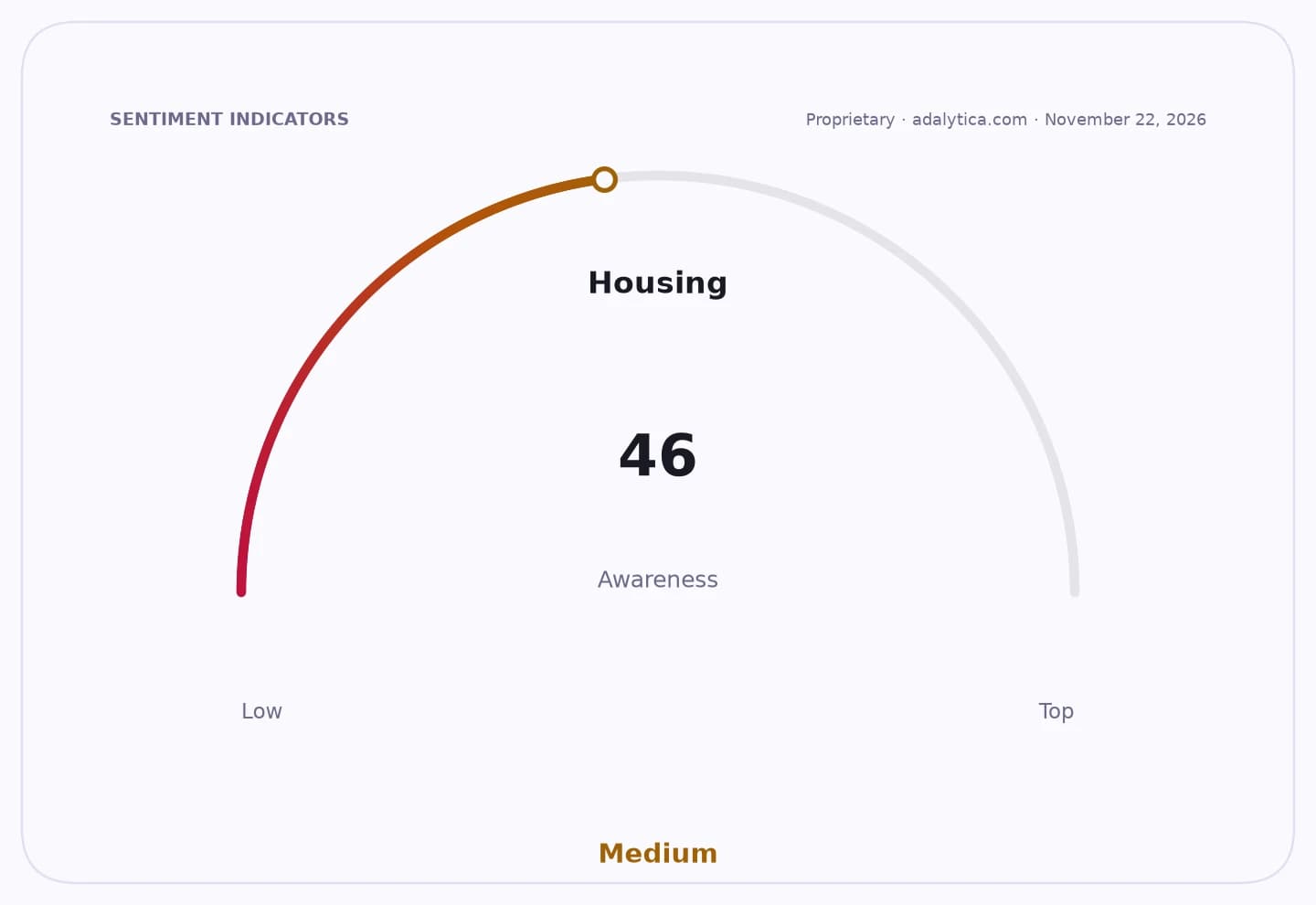
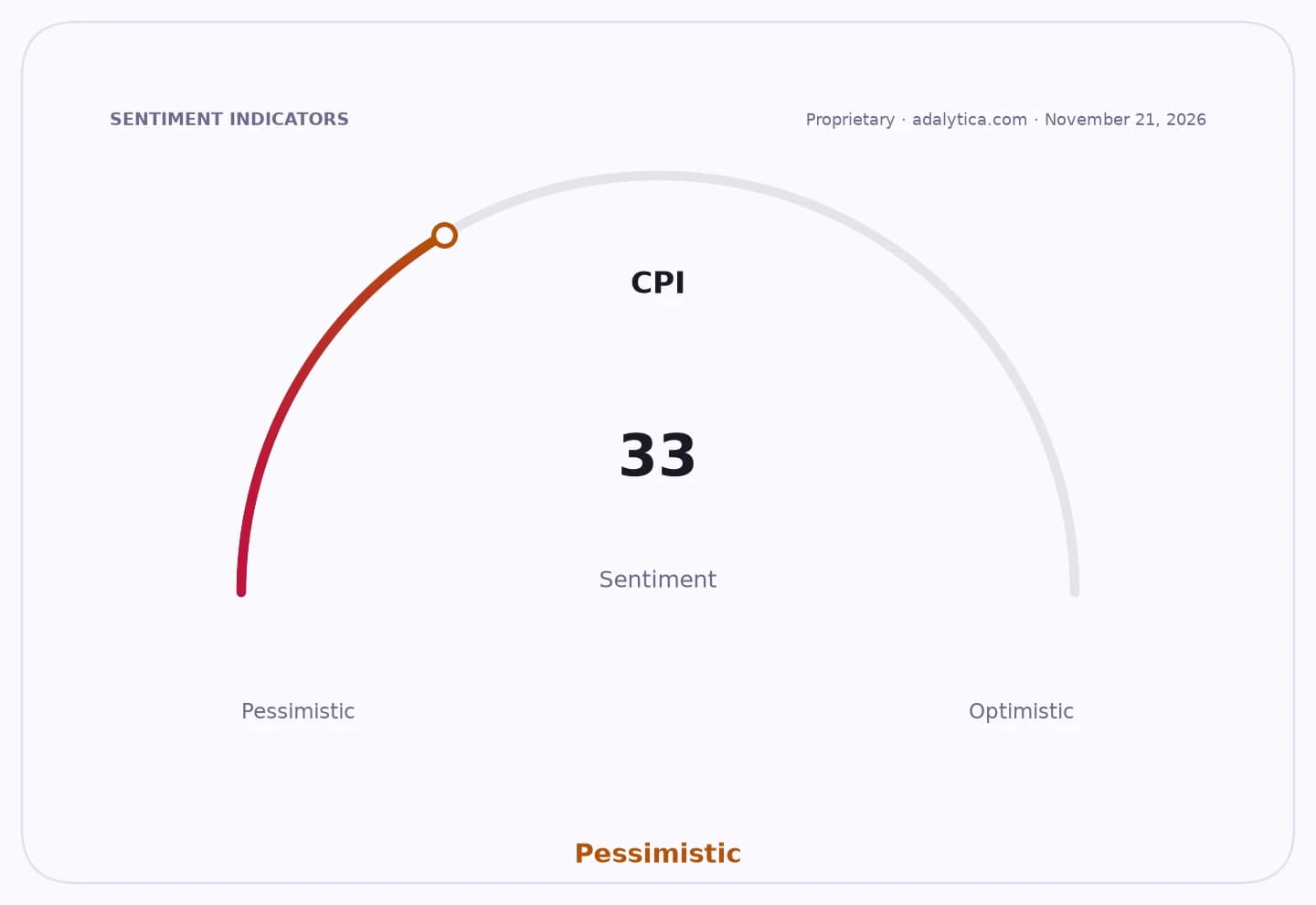
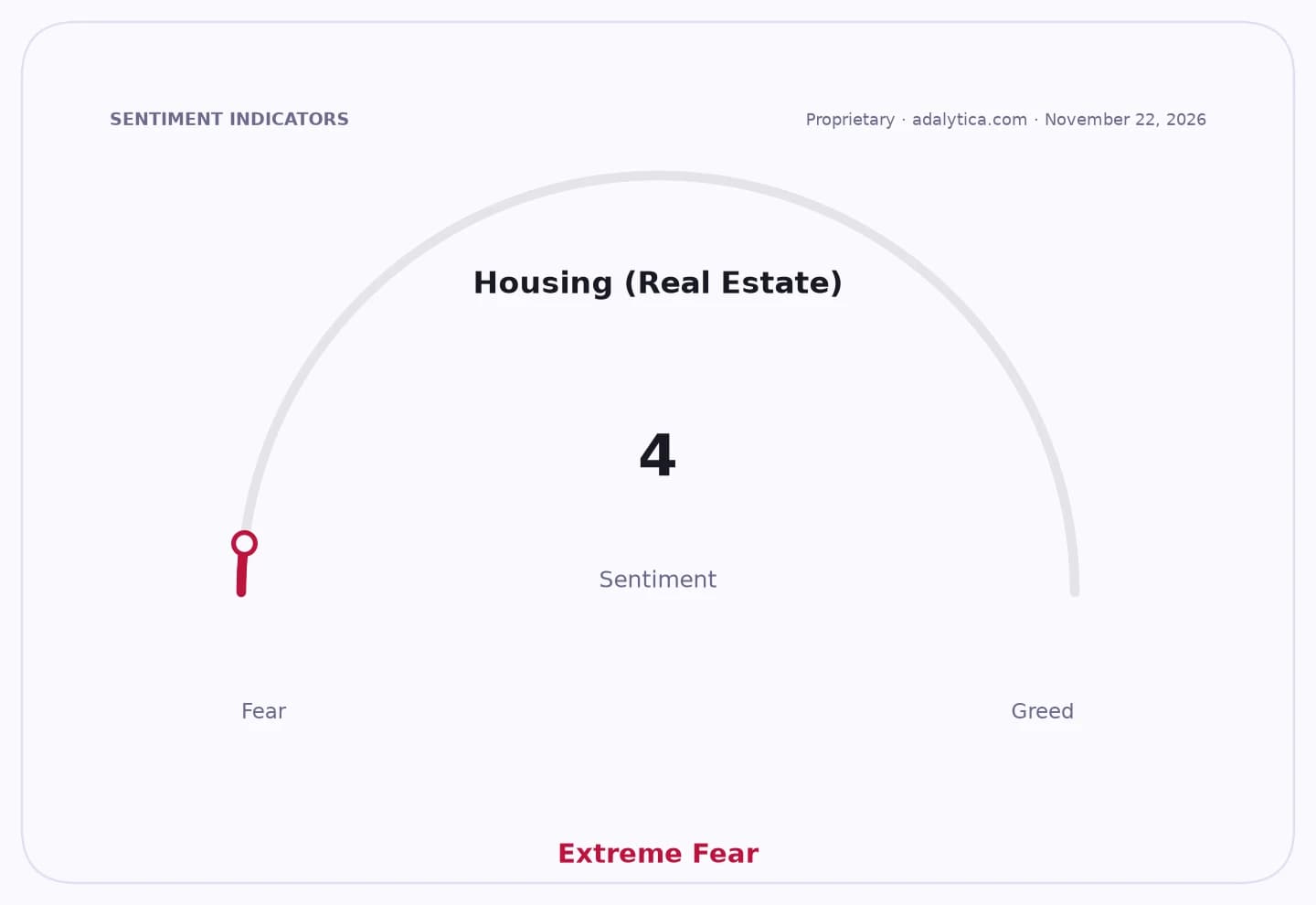
Sentiment Indicators
The bank said the offer includes more than 600 second-hand properties nationwide, with some cut by half, and preferential mortgage terms alongside promotions on solar rooftops. For buyers, that lowers both the upfront purchase price and the financing burden. For GH Bank, it helps recycle assets and reinforce its role as what it calls a “Beyond Housing Bank,” a positioning aimed at defending market share in retail housing finance while supporting a policy objective of broader housing access.
The timing is important. Thai housing demand has been uneven as households remain cautious and the sector continues to contend with a weak affordability backdrop. Discounted bank-owned homes can be especially attractive in that environment because they tend to offer clearer value than newly built units, while also giving lenders a way to convert non-performing or idle assets into cash. The inclusion of solar-rooftop loans also reflects a broader push to link housing finance with lower utility costs, which could matter more if power bills and household budgets stay tight.
For investors, the immediate significance is more about sector signalling than direct market impact. The GH Bank promotion underscores how lenders are competing harder for mortgage demand and how price discounts are being used to unlock sales. That could support activity for developers and related home-improvement and solar suppliers if the campaign draws traffic to the market, though it also highlights the fragility of demand that requires heavy inducements to transact.
The strongest case for the programme is that it addresses affordability from several angles at once: cheaper homes, concessional mortgage rates and incentives for energy-saving upgrades. The bear case is that the need for such discounts points to lingering weakness in end-user demand and a housing market still reliant on promotional financing rather than organic price discovery. That tension is likely to keep GH Bank’s year-end campaign in focus as a gauge of buyer appetite heading into 2027.
| Entity | Gains | Losses |
|---|---|---|
| GH Bank | ▲Asset disposal, loan demand | ▼Margin pressure from promotions |
| Homebuyers | ▲Cheaper entry prices, low rates | ▼Limited choice on stock |
| Property developers | ▲Potential spillover demand | ▼Competition from discounted NPA homes |
| Competitors | ▲— | ▼Share loss in mortgage and housing finance |