The Social Democrats have narrowly moved ahead of the far-right Alternative for Germany in Mecklenburg-Vorpommern, underscoring how volatile Germany’s regional politics have become and how quickly voter sentiment can still swing away from the AfD in a contest that may shape coalition arithmetic beyond one eastern state.
Germany SPD leads AfD in Mecklenburg-Vorpommern poll
A ZDF poll released Thursday put the center-left SPD at 37%, up three points in a week, while the AfD slipped one point to 36% ahead of Sunday’s state election. The margin is thin, but economically and politically it matters because Mecklenburg-Vorpommern has been a closely watched barometer of whether Germany’s mainstream parties can still blunt the appeal of a nationalist, anti-immigration protest vote.
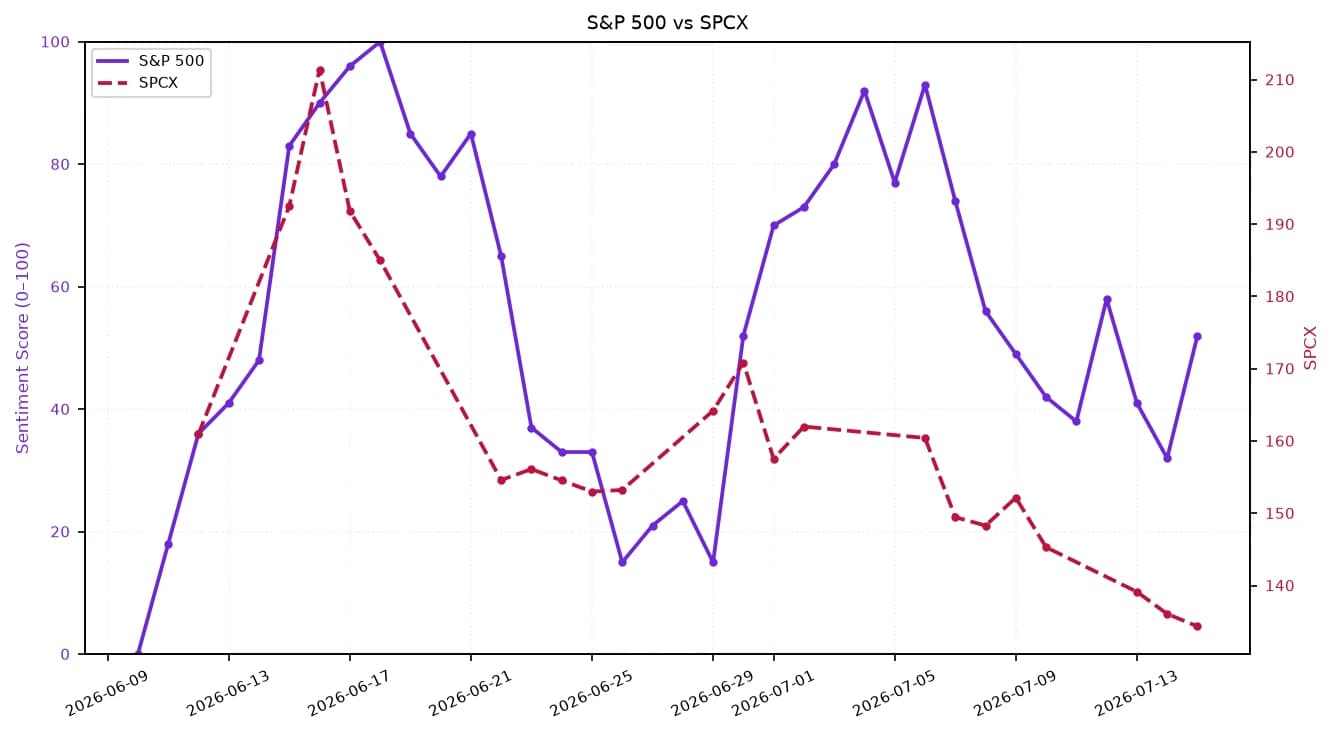
Sentiment IndicatorsⓘProprietary · adalytica.com · September 20, 2026
This is a snapshot — live sentiment, awareness and momentum for 130+ markets update continuously in the dashboard.Open AlphaPulse
For investors, the immediate market read is less about the state itself than about what the result says on policy stability. Germany remains the euro area’s anchor economy, and every sign that centrist parties can preserve governing ground helps reduce the risk of a sharper shift in fiscal, labor and energy policy that could complicate business planning and keep pressure on assets sensitive to political fragmentation. The euro has shown little directional conviction in recent sessions, trading around $1.15, while Germany’s DAX has remained within a broad range even as political noise has intensified.
The poll also showed Chancellor Friedrich Merz’s CDU at just 6%, down one point and uncomfortably close to the 5% threshold needed for parliamentary representation, a warning that the broader conservative field is struggling to convert national discontent into regional strength. Die Linke fell to 9%, the Greens were unchanged at 5% and the populist BSW was at 4%, raising the possibility that several smaller parties may be squeezed out of the legislature. One in five voters remained undecided, leaving room for a late shift.
That uncertainty matters because a fragmented parliament can amplify the influence of the largest parties and narrow coalition options. If the SPD’s late gain holds, it would suggest that tactical voting and local incumbency still matter in a political environment that has otherwise favored the AfD’s advance. If the AfD closes the gap or edges ahead on election day, the result would reinforce the view that anger over immigration, prices and governance failures is still translating into durable support for the far right.
The broader narrative is that Germany is not facing a single national swing so much as a series of local tests of political legitimacy, with the AfD’s rise forcing mainstream parties to defend territory state by state. For markets, that translates into a premium on policy predictability: the stronger the centrist bloc, the lower the odds of disruptive shifts in spending priorities, regulation and Germany’s role in Europe.
| Entity | Gains | Losses |
|---|---|---|
| SPD | ▲Incumbency momentum | ▼Pressure to hold undecided voters |
| AfD | ▲Protest vote relevance | ▼Lead in Mecklenburg poll |
| CDU | ▲None | ▼Risk of missing 5% threshold |
| Euro/DAX investors | ▲Policy continuity if centrists prevail | ▼More volatility if fragmentation deepens |