A new wave of 90 master craftsmen’s certificates in Frankenberg underlines a contradiction at the heart of Germany’s skilled trades: the sector is still losing workers, yet the outlook for demand, pricing power and investment remains constructive.
Germany crafts labor shortage supports automation demand
That matters because the craft economy is one of the country’s key transmission channels for wages, housing, infrastructure and manufacturing demand. When employment falls but the pipeline of qualified masters remains active, it usually means firms are being forced to adapt through productivity gains, training and selective automation rather than simple headcount growth. For investors, that is relevant far beyond the local ceremony in Saxony — it points to a persistent labor bottleneck that supports spending on tools, industrial equipment, software and AI-enabled production systems.
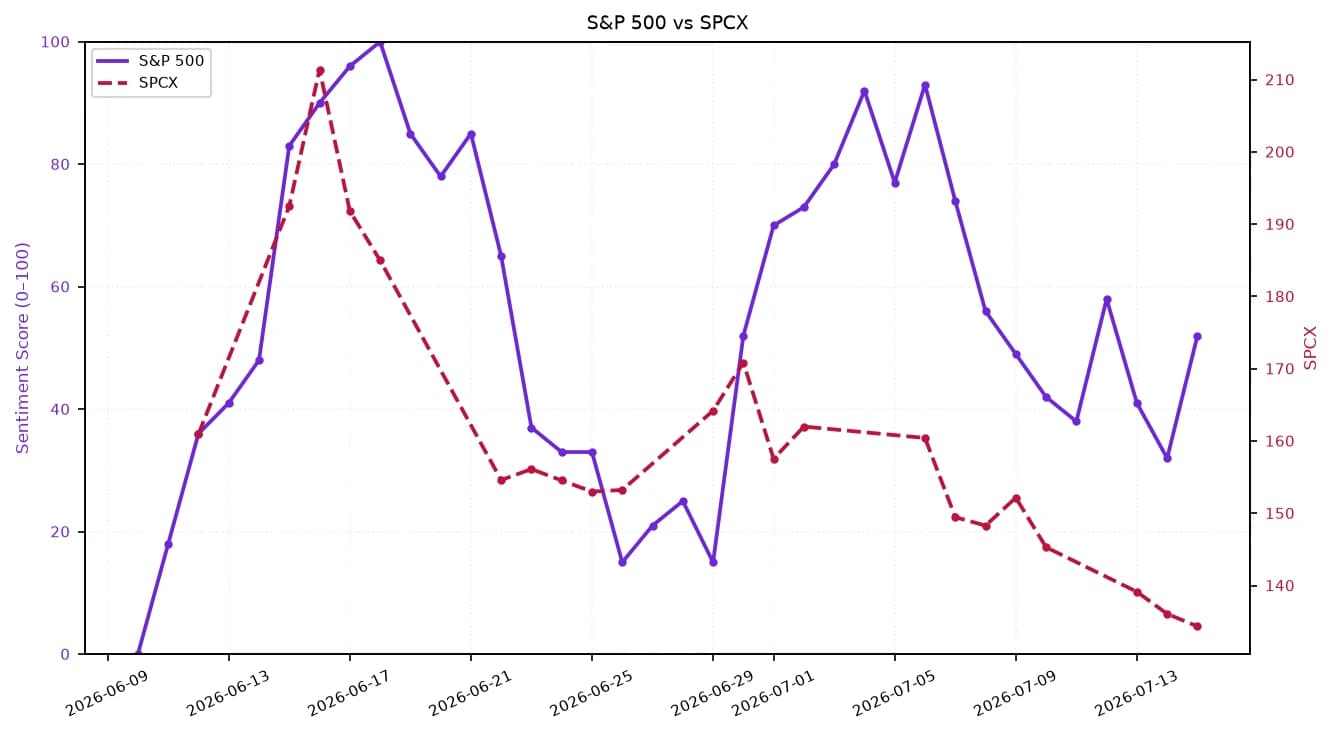
Sentiment IndicatorsⓘProprietary · adalytica.com · September 23, 2026
This is a snapshot — live sentiment, awareness and momentum for 130+ markets update continuously in the dashboard.Open AlphaPulse
The broader labor backdrop is still tight. The unemployment rate in the supplied data sits at 4.1% to 4.2% in mid-2026, near levels that are historically consistent with a relatively firm labor market, while industrial production has edged higher to 103.07 from 102.84 in June, indicating that the manufacturing base is not collapsing even as it remains uneven. In other words, the economy is not in recession, but it is operating with a structural shortage of skilled labor that keeps service and construction bottlenecks alive.
That helps explain why the craft sector remains resilient even as total employment in Mittelsachsen trends lower. The issue is not a lack of demand for services such as building, fitting, electrical work or renovation. It is the availability of qualified workers to deliver them. Master craftsmen, by definition, sit at the top of the skilled-trades ladder: they are the people who can train apprentices, run small and medium-sized firms, and translate technical demand into productive capacity. Ninety new master certificates in one region may not move national macro data, but it is a useful signal that firms and workers still see a career path in a sector often dismissed as old economy.
That has investment implications. Germany’s industrial and construction ecosystem depends heavily on the craft base, from housing retrofits and energy-efficiency upgrades to factory installation and maintenance. If the labor pool remains constrained, earnings can accrue to firms that help solve the problem — suppliers of machinery, automation, digital tools and productivity software. The stock data in the context reflects that theme: industrial names have outperformed at times this year even after sharp swings, consistent with markets rewarding companies tied to capital expenditure and efficiency upgrades.
The narrative also fits the growing push to use AI and automation in traditional production. The AI CRAFT project referenced in the context is part of a wider effort to fold intelligence into manufacturing and skilled trades to offset labor shortages. That does not mean craftsmen are being replaced overnight. It does mean investors should expect rising adoption of tools that reduce rework, improve scheduling and support precision work, especially in sectors where apprentices are scarce and experienced tradespeople are ageing out.
For companies tied to industrial machinery and automation, the bull case is straightforward: a shortage of skilled labor increases the return on labor-saving equipment. For contractors and small trade firms, the bear case is that wage pressure, training costs and succession risk can squeeze margins even when demand is decent. The Frankenberg certificates therefore matter less as a ceremonial milestone than as evidence of a labor market still trying to balance tradition, demographics and technology.
The next test is whether more young workers enter apprenticeships and whether firms turn to automation fast enough to offset the shortage. If they do, the craft sector could stay economically relevant for years. If not, Germany’s “golden soil” for skilled trades will remain productive, but only at the cost of higher labor scarcity and more pressure to modernize.
| Entity | Gains | Losses |
|---|---|---|
| Master craftsmen and apprentices | ▲Better career visibility | ▼Higher training burden |
| Craft firms | ▲Scarcity supports pricing power | ▼Recruitment and succession pressure |
| Automation and industrial suppliers | ▲More demand for labor-saving tools | ▼— |
| Households and employers needing services | ▲More reliable capacity over time | ▼Higher service costs in the short term |