Germany’s energy security debate is being pulled back into the geopolitical arena, with Vladimir Putin’s top economic envoy and leaders of the far-right Alternative for Germany preparing talks next year on reviving Russian gas supplies, according to people familiar with the plan.
Germany AfD talks on Russian gas revival
The prospect matters because it goes to the heart of Europe’s largest economy: whether Germany can keep energy costs low enough to support industry without reopening the dependency on Moscow that was shattered after Russia’s 2022 invasion of Ukraine. Even if the meeting remains symbolic, it highlights how high electricity and gas prices continue to shape domestic politics, investment decisions and the competitiveness of German manufacturing.
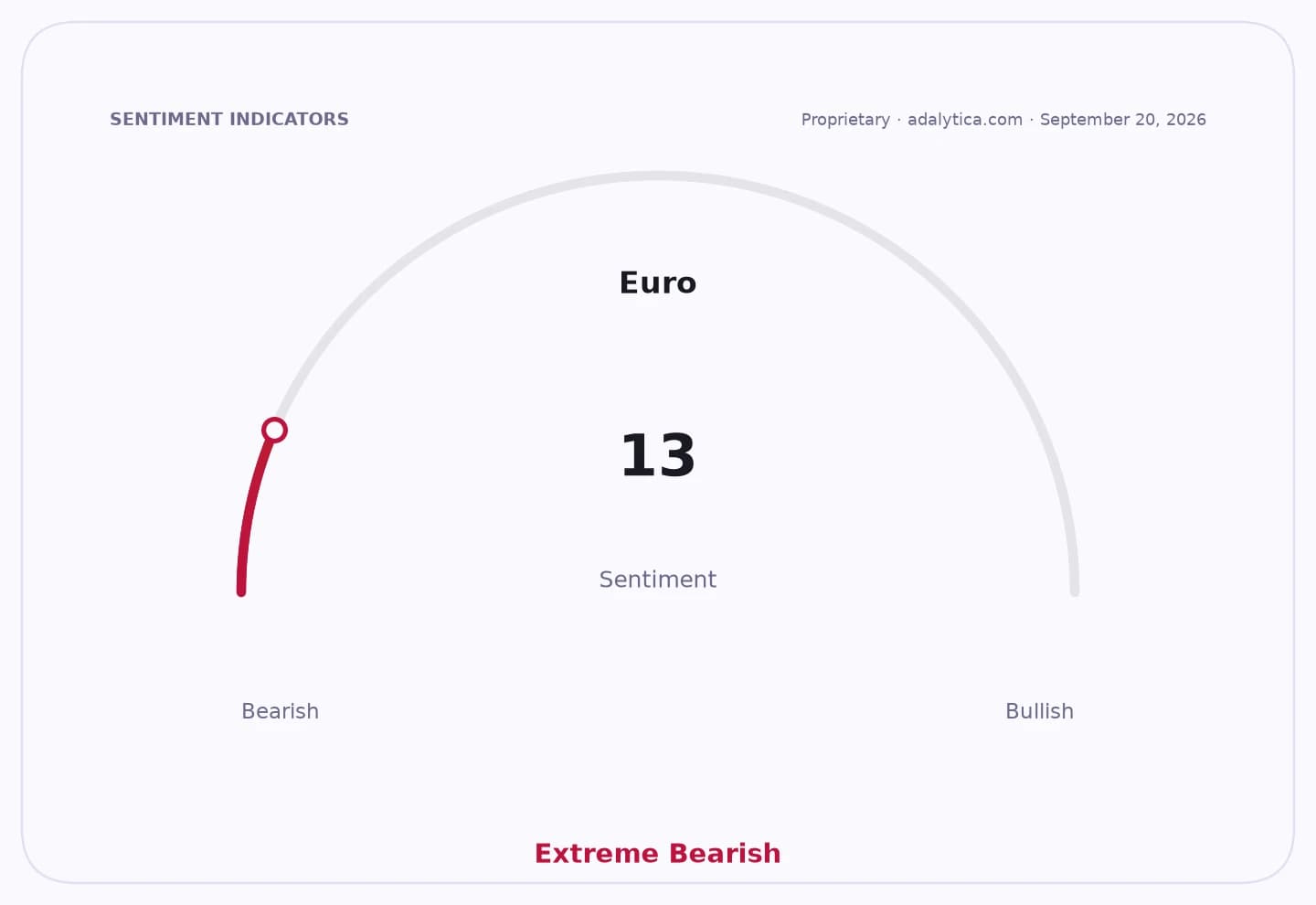
Sentiment IndicatorsⓘProprietary · adalytica.com · September 20, 2026
This is a snapshot — live sentiment, awareness and momentum for 130+ markets update continuously in the dashboard.Open AlphaPulse
The planned discussion, potentially as early as March, would bring together Kirill Dmitriev, head of Russia’s sovereign wealth fund and a close adviser to Putin, and AfD co-leaders Alice Weidel and Tino Chrupalla. Organisers are also hoping to involve US figures Steve Witkoff and Jared Kushner, though a senior US official said they have not been informed or invited. The agenda would reportedly include reopening the Nord Stream pipelines, the undersea route that once carried a large share of Russian gas into Germany before sanctions and sabotage interrupted flows.
Before the war, Russia supplied more than half of Germany’s natural gas and more than a third of its crude oil imports. That left Europe’s industrial powerhouse heavily exposed when supplies were cut, helping trigger the region’s energy crisis and forcing a costly scramble for liquefied natural gas, pipeline imports from Norway and conservation measures. Green lawmaker Michael Kellner said the earlier crisis cost €50 billion, arguing Germany “cannot become dependent on Russia again.”
The economic stakes remain substantial. Germany is still working through the aftershocks of that shock, with energy-intensive industries under pressure from higher input costs, weaker demand and a sluggish recovery. Any credible prospect of cheaper Russian gas would be politically attractive to firms facing margin compression, but it would also reopen a strategic fault line in Europe, where policymakers see energy dependence as a security risk rather than a simple commercial choice.
That tension explains why the story matters to investors well beyond German politics. A return of Russian gas, even only as an idea, could pressure European gas prices, alter expectations for utilities and industrial power costs, and reshape the earnings outlook for sectors sensitive to energy input prices such as chemicals, metals and manufacturing. It could also widen the policy divide inside the euro zone, with Eastern European governments likely to resist any move that looks like a normalization of energy ties with Moscow.
Market reaction has so far been indirect rather than violent, but energy investors are watching closely for any sign that political momentum is shifting. US natural gas futures, while trading in a broader market shaped by weather and storage dynamics, remain sensitive to European demand expectations and geopolitical headline risk. On the political side, the story underscores how the AfD is trying to turn its anti-sanctions, pro-cheap-energy stance into an electoral asset in eastern states where resentment over energy prices and distrust of Berlin run deep.
The German government, led by Chancellor Friedrich Merz’s conservatives in coalition with other mainstream parties, has ruled out working with the AfD. But the far-right party’s growing vote share gives it a platform to force debate on Russia policy, especially in regions tied historically and economically to the former Soviet bloc. The fact that Nord Stream enters Germany in Mecklenburg-Western Pomerania, where the AfD faces another regional vote, adds to the symbolism.
For investors, the key question is not whether Russian gas returns immediately — the hurdles are enormous, from sanctions to Ukrainian peace terms and resistance from allies — but whether the political cost of excluding Moscow is rising inside Germany. If energy prices stay elevated and industry continues to struggle, pressure for pragmatic talks could build. If not, this may remain another sign of how far the energy war has redrawn Europe’s economic and strategic map.
| Entity | Gains | Losses |
|---|---|---|
| AfD | ▲electoral momentum | ▼mainstream acceptance |
| Russian gas exporters | ▲possible market access | ▼sanctions-era exclusion |
| German industry | ▲lower energy costs | ▼strategic dependence risk |
| EU hardliners / Eastern Europe | ▲tougher anti-Russia line | ▼influence over Berlin |