Georgetown’s housing market showed a classic late-cycle split in August: more homes changed hands even as prices fell across every major ZIP code, signaling that affordability, not exuberance, is now driving demand.
Georgetown home sales rise as prices fall in August

Unlock MLS data show 274 homes sold in Georgetown in August, up from 251 a year earlier, while prices declined in all three Georgetown-area ZIP codes. The biggest drop came in 78628, where home prices fell 18% year over year, even as that ZIP code recorded the most sales at 123. Homes also spent fewer days on the market in 78626 and 78633, suggesting buyers are still active when pricing is realistic, though 78628 took longer to move.
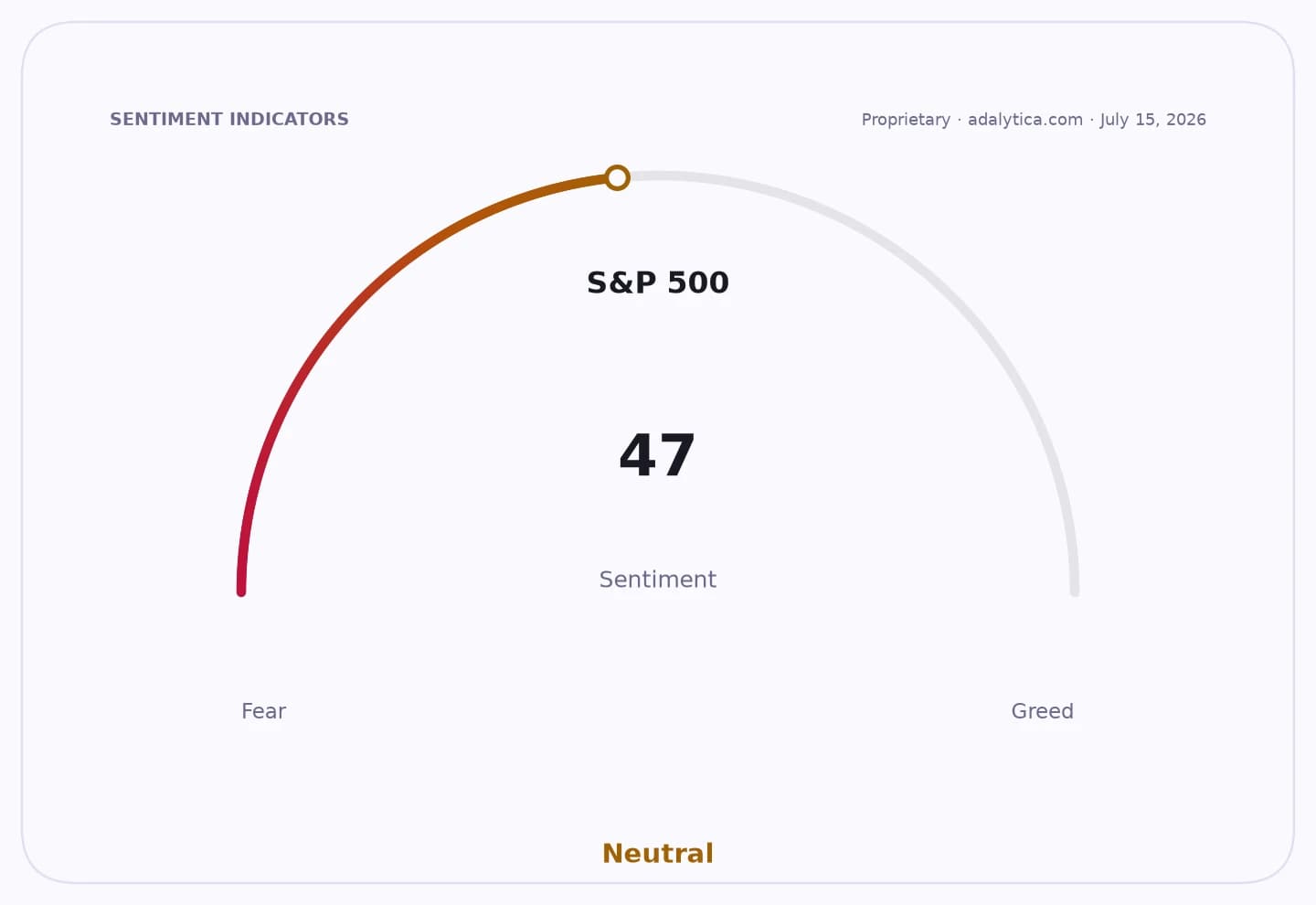
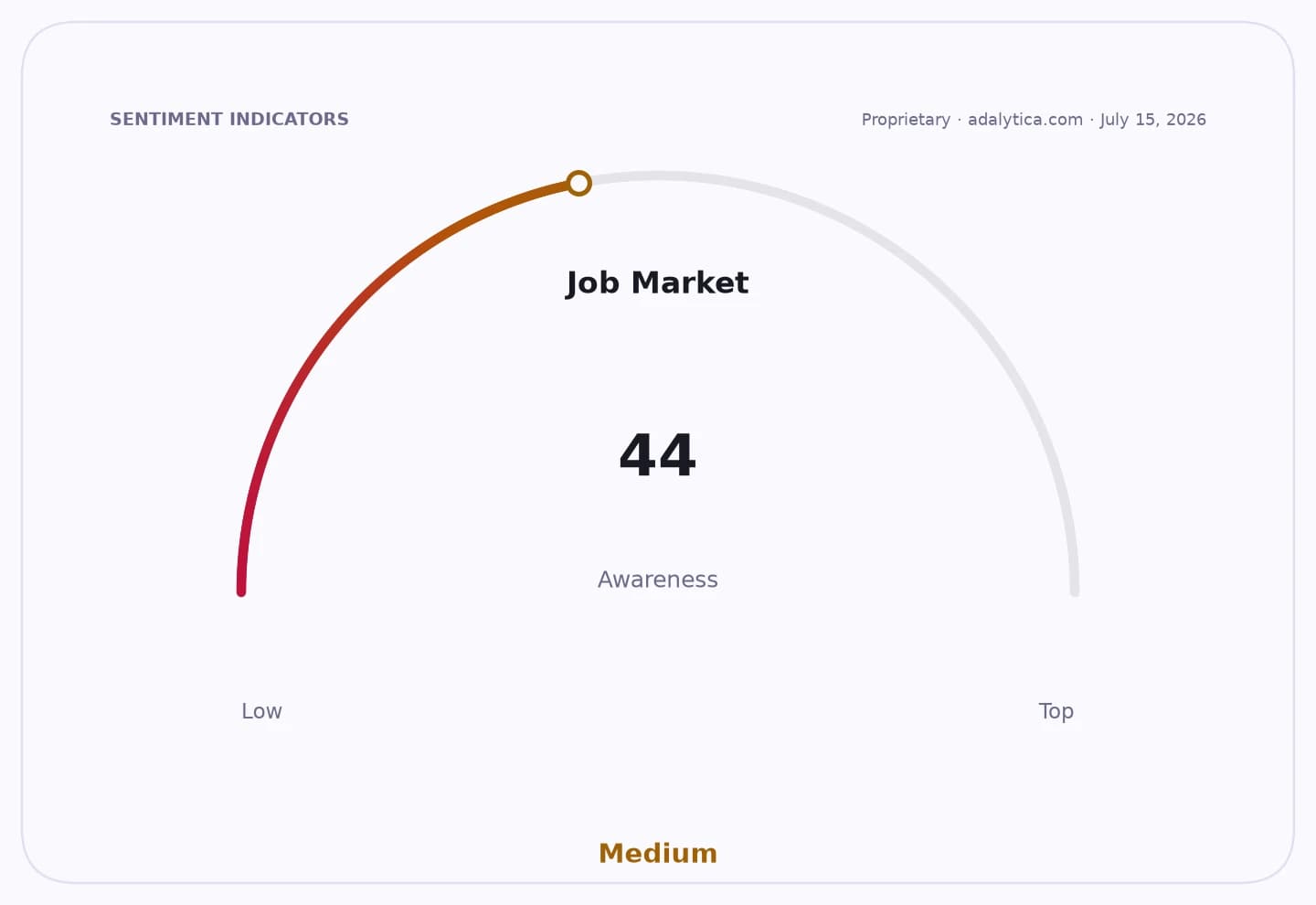
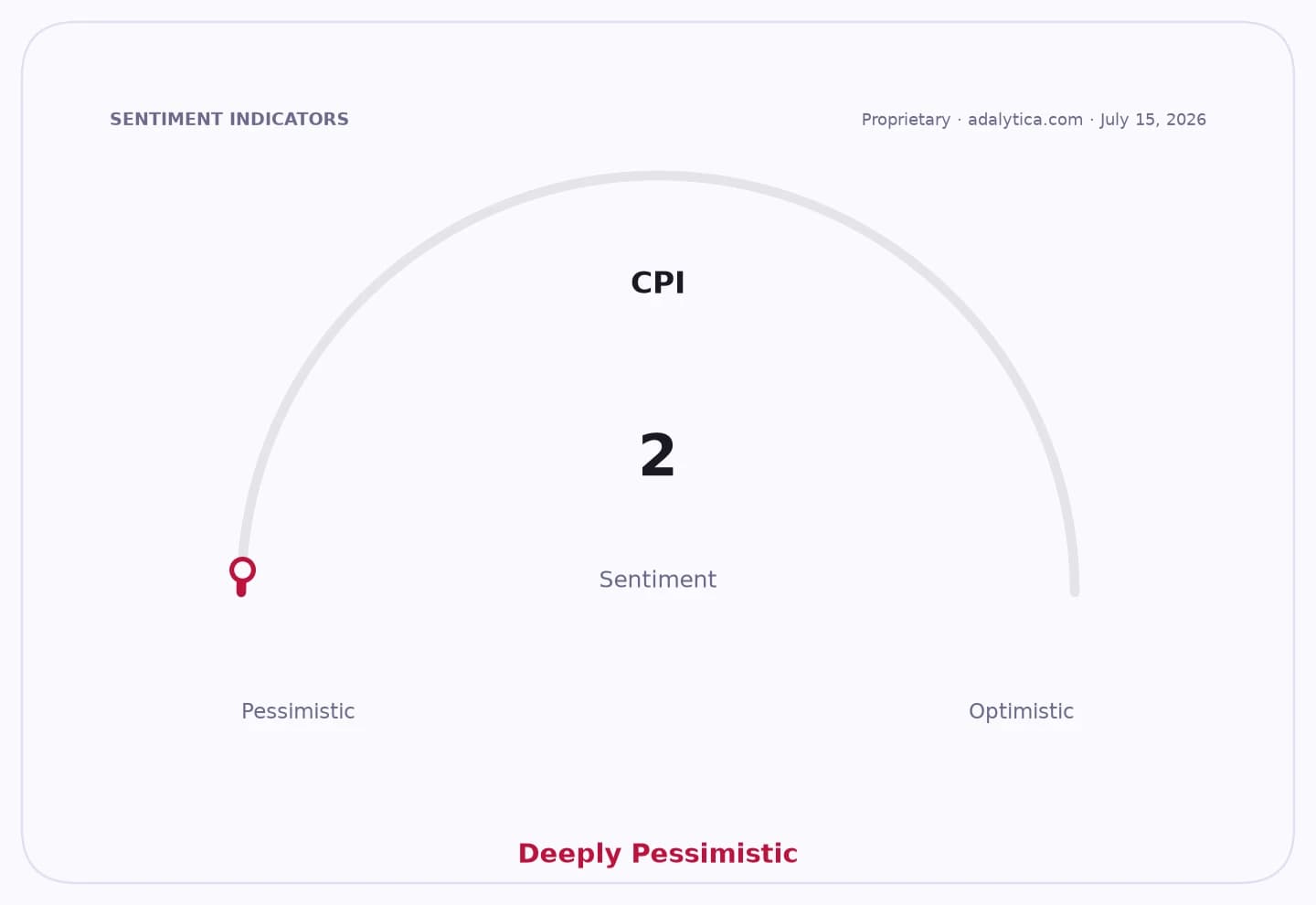
Sentiment IndicatorsⓘProprietary · adalytica.com · September 20, 2026
This is a snapshot — live sentiment, awareness and momentum for 130+ markets update continuously in the dashboard.Open AlphaPulse
The pattern matters because it points to a market rebalancing rather than a simple collapse in demand. Higher transaction volumes alongside lower asking or closing prices typically indicate that sellers are conceding on valuation to clear inventory, while buyers remain selective in a still-expensive environment. For a fast-growing Central Texas suburb like Georgetown, that often means the market is absorbing supply through discounts rather than through a new surge in prices.
The broader housing backdrop helps explain why. The 30-year mortgage rate has been hovering around the high-6% range, keeping monthly payments elevated and limiting how much buyers can stretch. At the same time, national home-price data show U.S. values remain above pre-pandemic levels, but local markets are increasingly diverging as affordability tightens. Georgetown’s August numbers suggest that demand is still present, but it is highly price-sensitive and concentrated in homes that have been marked down enough to meet today’s financing conditions.
For investors, the message is mixed. Homebuilders, lenders and transaction-sensitive businesses can still benefit from volume if pricing adjusts enough to unlock turnover. But falling prices pressure margins for sellers and can slow appreciation assumptions that underpin housing-related portfolios, particularly in markets that had previously seen outsized gains. If the trend extends into the fall, it would reinforce the case that the post-pandemic housing boom is giving way to a more normalized market where inventory and mortgage rates matter more than momentum.
What to watch next is whether the price declines stabilize without a sharp drop in sales. If volumes keep rising while prices continue to ease, Georgetown could be moving toward a healthier clearing market. If both soften, it would suggest that even lower pricing is no longer enough to offset the drag from financing costs and broader affordability pressure.
| Entity | Gains | Losses |
|---|---|---|
| Buyers | ▲More negotiating power | ▼Higher borrowing costs |
| Sellers | ▲Faster deal flow in some ZIPs | ▼Lower sale prices |
| Homebuilders | ▲Volume recovery potential | ▼Margin pressure |
| Mortgage-sensitive investors | ▲More turnover activity | ▼Slower price appreciation |