France’s rare show of force in Saint Pierre and Miquelon is less about a small island than about who gets to shape the North Atlantic order, as Emmanuel Macron and Canada’s Mark Carney use the territory to underline sovereignty claims at a time of renewed tension with Washington.
France Saint Pierre and Miquelon visit
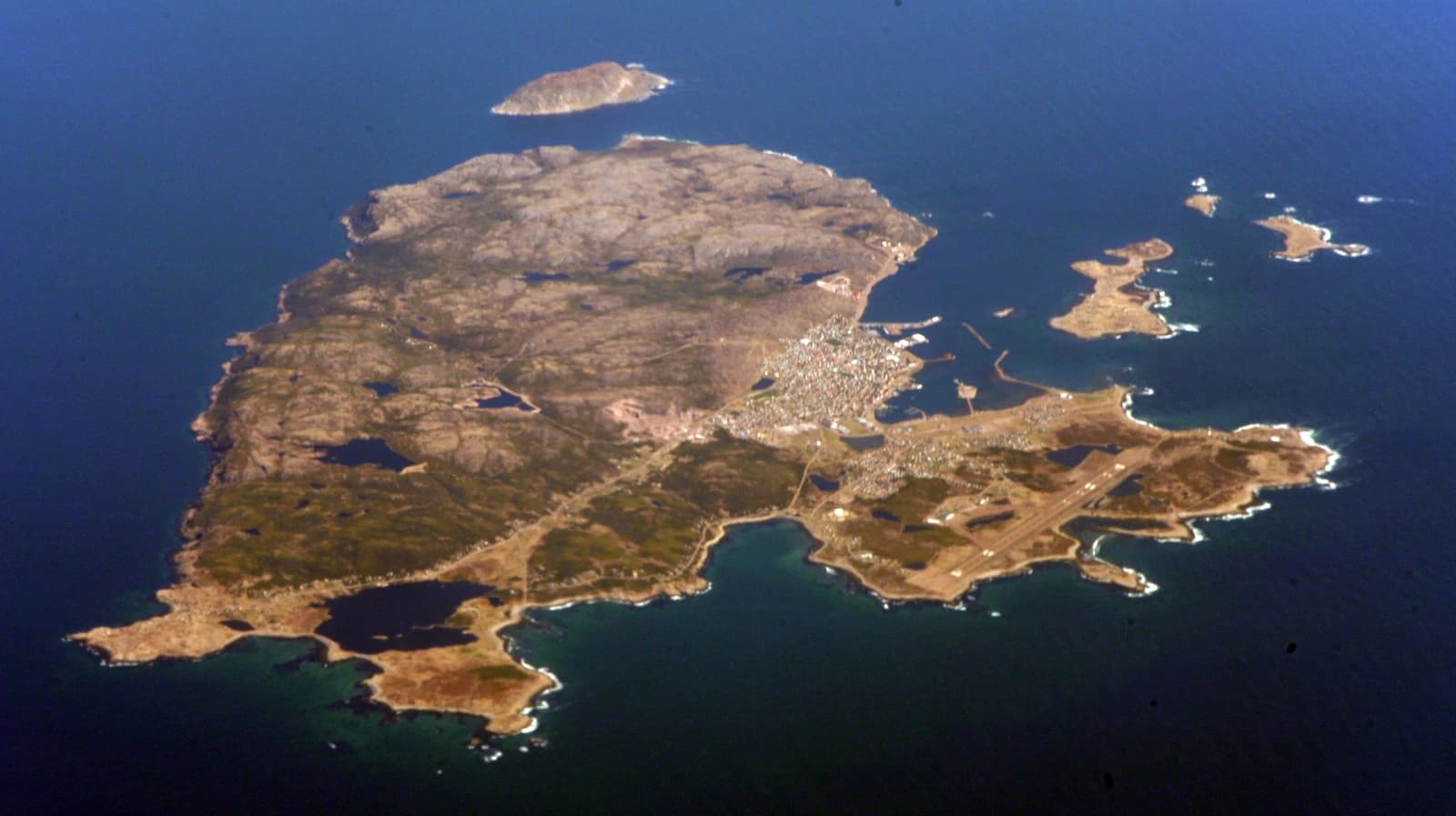
The three-day visit to the French archipelago of fewer than 6,000 people, just 25 kilometers off Newfoundland, is the first by a French president in more than a decade and comes after Donald Trump circulated a North America map that appeared to fold the islands into the United States. For Paris, the trip is a reminder that even tiny overseas possessions can carry outsized strategic weight when great-power politics turns territorial.
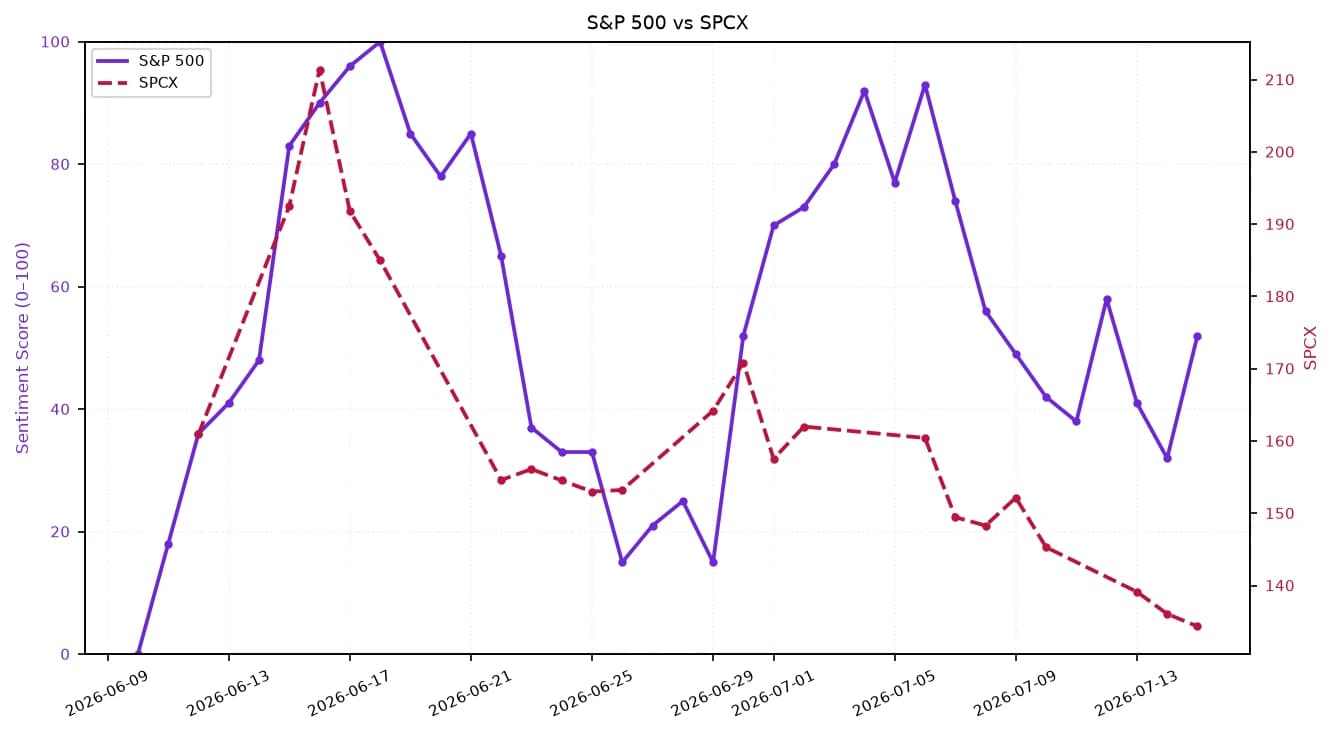
Sentiment IndicatorsⓘProprietary · adalytica.com · September 23, 2026
This is a snapshot — live sentiment, awareness and momentum for 130+ markets update continuously in the dashboard.Open AlphaPulse

That message matters economically because the archipelago sits on routes tied to Atlantic data links, space infrastructure and maritime access, while also facing the costs of climate adaptation and infrastructure decay. Macron is expected to announce measures on the relocation of Miquelon, a project estimated by local officials to require 25 million euros, and on the port in Saint-Pierre, where parts of the docks are at risk of collapse. Those are not symbolic line items: they are the price of keeping a French foothold viable in a region that remains strategically relevant to Europe and North America.
The visit also gives Macron and Carney a stage to present France and Canada as aligned on sovereignty and rules-based trade at a moment when Ottawa’s closer ties with the European Union have drawn a fresh warning from Trump. Carney’s government has framed the relationship as part of a broader effort by like-minded states to preserve independent decision-making in what Paris called a world of “power politics” and “new forms of dependence.”
For investors, the story is less about immediate market reaction than about the infrastructure and industrial openings that can flow from geopolitics. Saint Pierre is already home to a ground satellite station for Europe’s Galileo navigation system, and French start-ups Skynopy and Look Up are due to announce developments around the space sector during the visit. The territory is also seeking a place in a planned digital cable linking Brittany and New York, which could strengthen its role in secure data traffic and adjacent services. In a world where strategic infrastructure is increasingly subsidized, protected or reshaped by governments, even a remote French enclave can become a small but meaningful node in a larger investment map.
That leaves the archipelago at the intersection of several narratives: climate resilience, digital infrastructure, Atlantic security and transatlantic diplomacy. The bull case for Saint Pierre is that geopolitical friction helps France justify investment in a territory that can support telecoms, space and maritime uses. The bear case is that the island remains exposed to demographic decline, high living costs and a narrow economic base, with strategic rhetoric failing to produce enough capital to change the long-term trajectory.
What happens next will depend on whether Paris converts symbolism into funding and whether Ottawa and Brussels can turn shared messaging into durable policy. If they do, Saint Pierre and Miquelon could move from forgotten outpost to a small but useful platform in the contest for Atlantic influence.
| Entity | Gains | Losses |
|---|---|---|
| France | ▲Atlantic influence | ▼Washington’s narrative |
| Canada | ▲Diplomatic alignment | ▼U.S. pressure |
| Saint Pierre and Miquelon | ▲Infrastructure funding | ▼Climate and demographic strain |
| U.S. administration | ▲— | ▼Allied pushback |