France’s inflation backdrop is turning politically and economically toxic again, with energy-driven price rises pushing the cost of basic goods higher just as households say paychecks are failing to keep up.
France inflation pressures households and consumer spending
That is the key message behind Thomas Bonnet’s warning that, eight years after the first gilets jaunes protests, “French people who work are the most impacted.” It matters because this is not just a story about a higher consumer price index; it is about whether wage earners can still absorb another round of food, fuel and utility inflation without cutting spending, building arrears or taking to the streets.
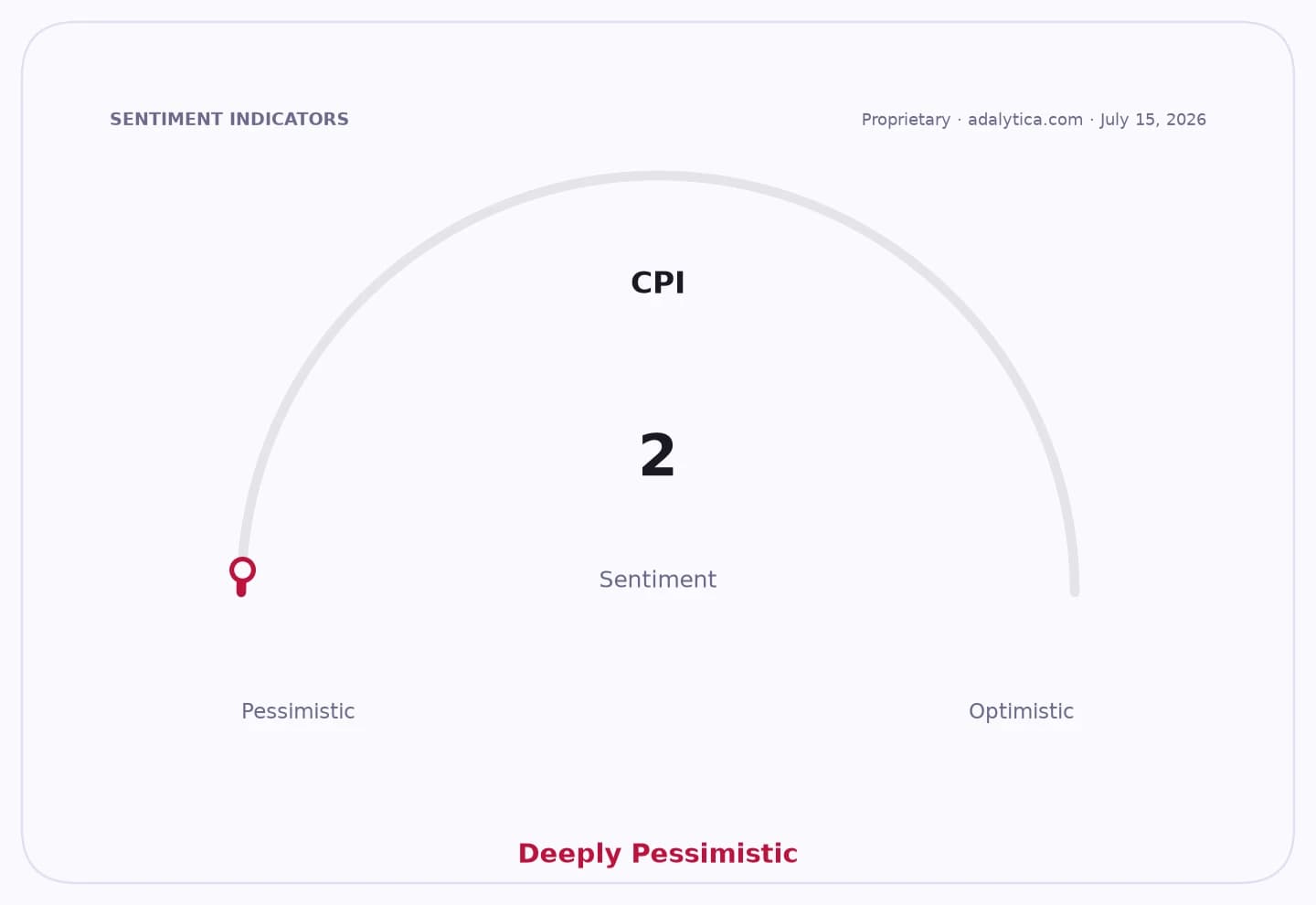
Official U.S. CPI data in the context are not relevant to the French picture, but the broader macro lesson is. When inflation sticks near a level that households can feel every day, it erodes purchasing power faster than headline policymakers often acknowledge. In France, that tension is now showing up in the most sensitive place politically: the gap between those who work and those who feel they are falling behind anyway.
The latest French reading cited in the source material shows inflation at 2.4% in August, a rate that may look manageable on paper but lands much harder when energy costs ripple through the price of essentials. Bonnet says the state of household finances has deteriorated to the point where even an unexpected expense can become a crisis. That is exactly the kind of stress that turns macro data into market risk, because weak real-income growth translates into softer discretionary spending, more pressure on consumer-oriented sectors, and a higher chance of social backlash against taxes, reform or austerity.
There is also a fiscal and policy angle investors cannot ignore. Bonnet’s remark that “there’s no more money in the coffers” after a decade of Macron-era economic management speaks to the narrowing room for maneuver in Paris. If the government leans toward tax relief, it risks worsening budget strain; if it does not, the political temperature rises further. Either way, the market has to price in a more difficult backdrop for France’s growth story, especially if households continue to prioritize survival over spending.
For investors, the opportunity is in the second-order effects. Persistent cost-of-living pressure tends to favor staples, discount retail, utilities and energy infrastructure while weighing on discretionary consumer names, transport-sensitive businesses and any company dependent on robust household demand. It also keeps the case alive for inflation hedges and real assets, because even when headline inflation cools, the politically charged mix of food, fuel and wage pressure can remain sticky.
The deeper narrative here is that France is not simply seeing another inflation print — it is confronting a renewed affordability crisis in which working households feel poorer even when they are employed. That is the kind of backdrop that can shape voting behavior, fiscal policy and consumer spending patterns for months, not weeks.
Investors should treat this as a warning that France’s consumer economy may be more fragile than the headline inflation rate suggests, and position for winners in necessities, pricing power and energy-linked cash flows while staying cautious on domestic discretionary exposure.
| Entity | Gains | Losses |
|---|---|---|
| Energy producers | ▲Higher pricing power | ▼Consumer backlash |
| Food and staples retailers | ▲Defensive demand | ▼Margin pressure |
| French workers/households | ▲None | ▼Real purchasing power |
| Discretionary retailers | ▲None | ▼Softer spending |