A quiet labor-market habit has climbed to the top of corporate America: former chief executives are increasingly slow to give up the title on their LinkedIn profiles, a small but telling sign that “job hugging” is spreading even among the most senior leaders.
Former CEOs Keep LinkedIn Titles After Exit
The behavior matters because it reflects more than vanity. In a market where pay gains have lagged inflation for much of the year and job creation has been uneven, workers have every reason to stay put. For CEOs, the incentives to hold on are even stronger: prestige, compensation, severance negotiations and public identity all make it harder to let go of the role, even after the job is gone.
Sentiment Indicators
Bloomberg’s review points to a pattern across high-profile departures. Laurent Freixe remained listed as Nestlé chief executive on LinkedIn more than six months after his exit, despite the company’s request to update it. Nick Jhangiani was still shown as Diageo’s interim CEO until Bloomberg contacted the company, even though he had already returned to his finance role and was on track to leave that post too. Jensen Huang was still described as Nvidia’s CEO as of Nov. 19, while Colette Kress had already updated her own profile.
The issue is not limited to awkward digital housekeeping. LinkedIn has become a public record for leadership changes, investor perception and talent signaling. Delayed updates can muddy corporate messaging at a time when boards are under pressure to show clean succession planning and control over governance. For companies, especially those in consumer staples, pharma and tech, a stale profile can keep a resignation or dismissal in the spotlight longer than desired.
The data suggest the pattern is real, not anecdotal. Revelio Labs found that 25% of CEO departures are not reflected on LinkedIn for more than three months after employment ends, and 9% take more than a year. That is slightly longer than the lag seen for most other professionals, though the analysis also includes founders and smaller-company executives, not just listed-company CEOs.
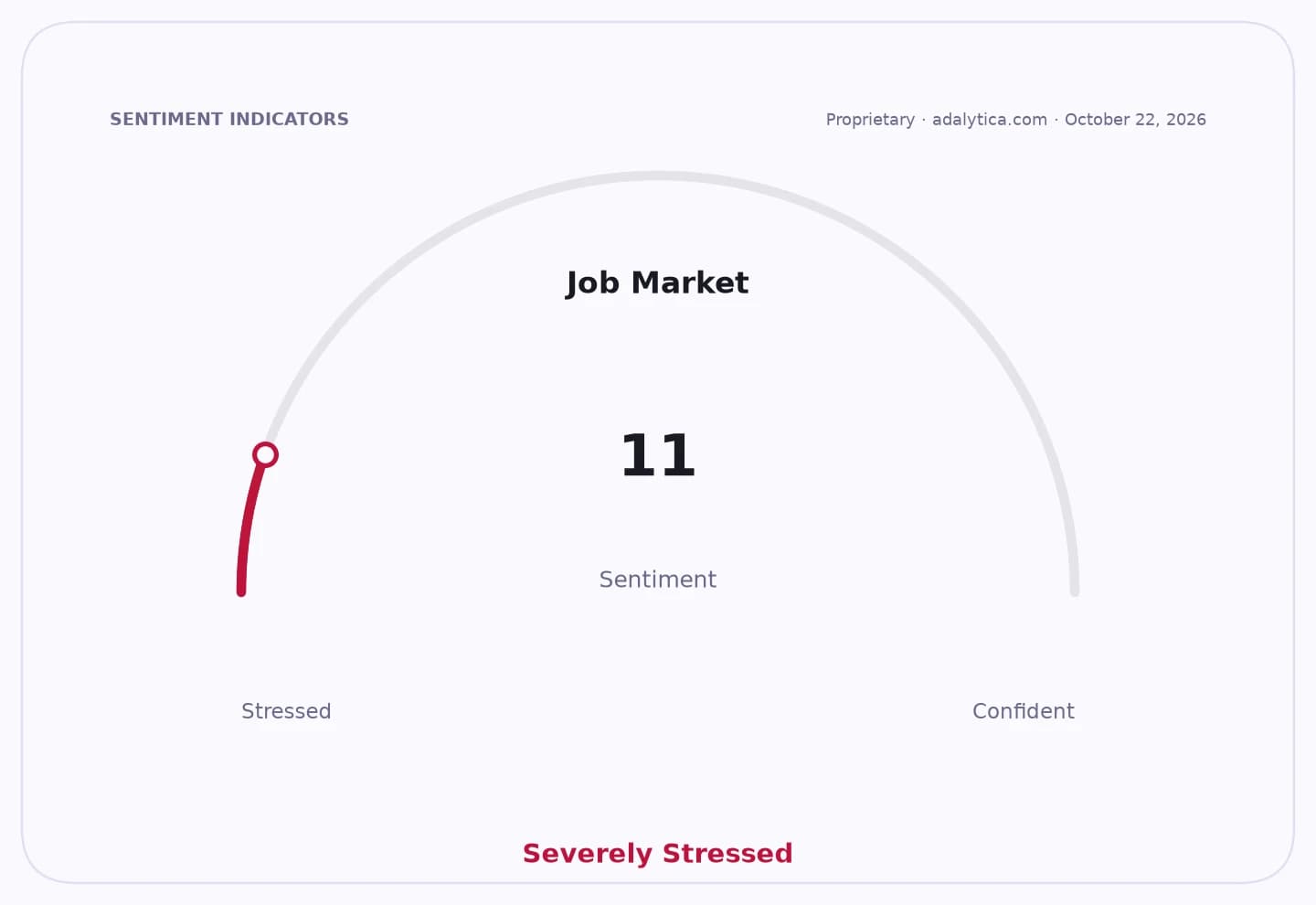
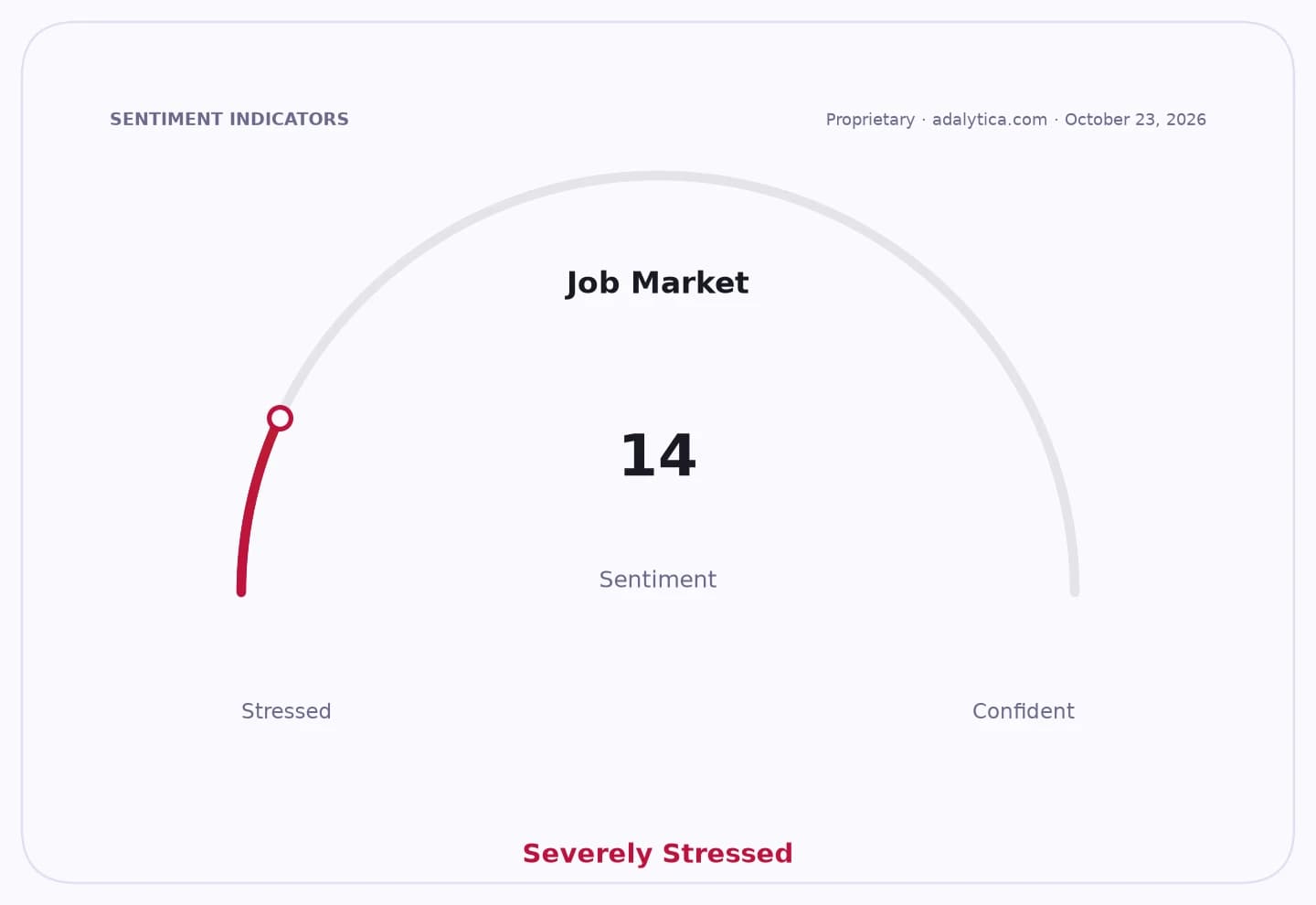
The reluctance to move on fits a broader labor-market backdrop. The unemployment rate has remained near 4.1% to 4.2%, job openings have eased from earlier peaks but are still substantial, and wage growth has not consistently outpaced prices. A Monster survey found nearly half of workers would stay in their current roles for security even if a better opportunity came along. In Adalytica’s job-market sentiment gauge, sentiment remains neutral at 36, but recent readings have weakened, underscoring a market in which caution still outweighs confidence.
For investors, the takeaway is that executive churn may be less orderly than it appears on paper. Boards may replace leaders quickly, but the public transition can lag, complicating succession narratives and, in some cases, reinforcing uncertainty about strategy. The bull case is that the delay is mostly cosmetic; the bear case is that it reveals how difficult it can be to fully reset leadership after crisis, scandal or dismissal.
Either way, the same forces that are making rank-and-file workers cling to their jobs are also shaping the behavior of the C-suite. Job hugging is no longer just a labor-market story — it is becoming a governance story too.
| Entity | Gains | Losses |
|---|---|---|
| Former CEOs | ▲Keep status and visibility | ▼Lose clarity on post-exit role |
| Companies/boards | ▲Avoid immediate public dispute | ▼Face muddled succession messaging |
| LinkedIn/talent recruiters | ▲More profile traffic and scrutiny | ▼Less reliable leadership records |
| Job seekers | ▲Signal of a tight, cautious labor market | ▼Harder to challenge incumbents |