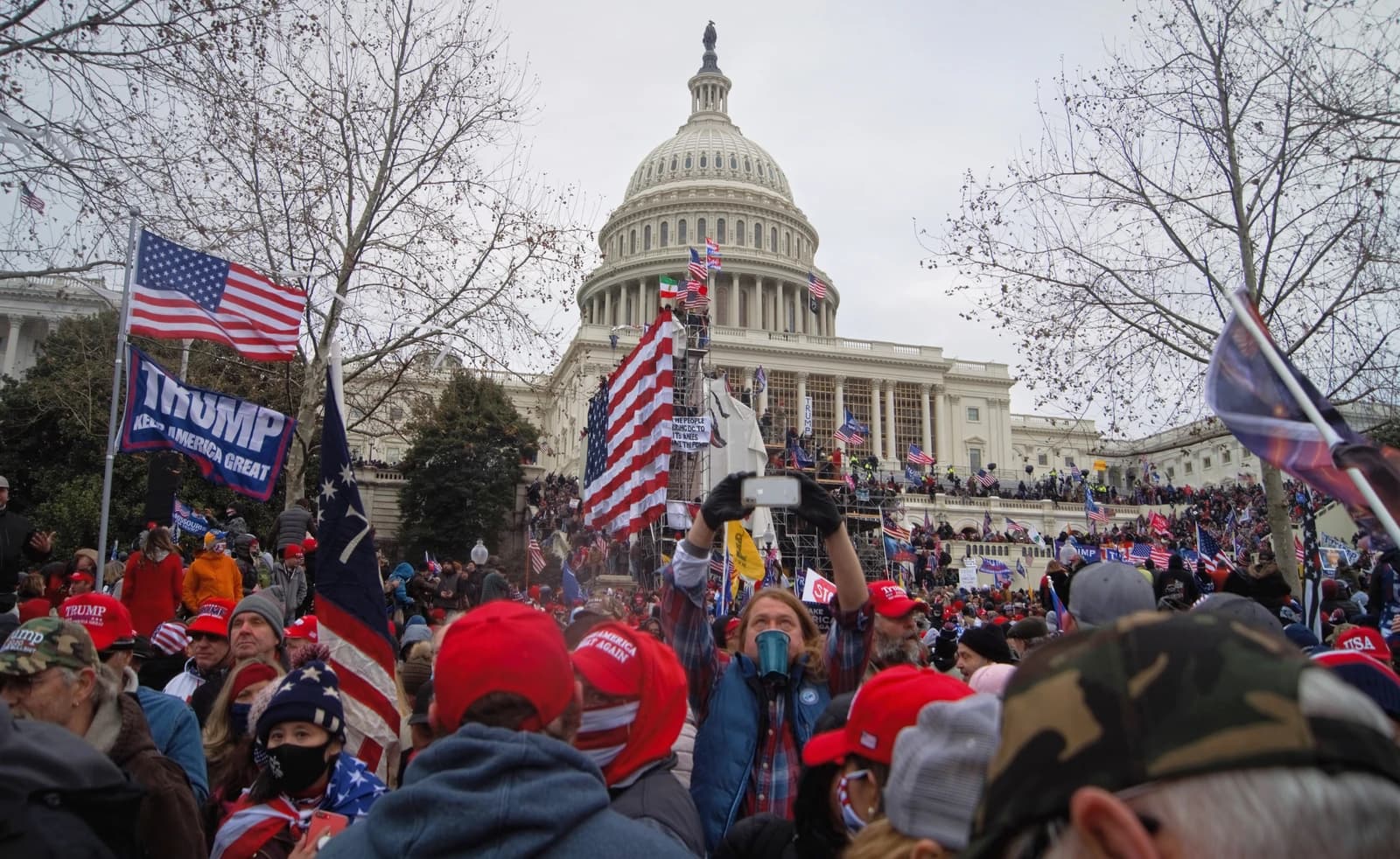
The Trump administration is entering a more fragile phase after a bruising election week, with senior departures at the Justice Department adding to the uncertainty around how long President Donald Trump can keep his team intact.
Trump administration faces DOJ departures after election losses
For investors, that matters less as a political soap opera than as a signal that policy execution may get less predictable just as the White House is pushing through a wide agenda on justice, universities, immigration and foreign policy. When senior officials start leaving in quick succession, agencies often slow down, internal rivalries sharpen and the odds of abrupt policy shifts rise.
Sentiment Indicators
Presidential Approval
John Eisenberg, who led the Justice Department’s national security division, and Jason Reding Quiñones, who had been involved in reviewing earlier criminal probes involving Trump, both resigned after the Republican losses in the congressional elections, according to the source material. Their departures follow the exit of Harmeet Dhillon, head of the department’s civil rights division, and leave two of the administration’s key priorities without clear leadership: the review of earlier Trump-related investigations and the campaign against universities.
That is economically relevant because the Justice Department is not just a law-enforcement agency; it is also a policy lever. Its leadership can shape the timing and intensity of antitrust actions, campus investigations, civil rights enforcement and national security scrutiny. A turnover wave at the top makes it harder to drive those cases forward consistently, and it raises the risk that important decisions become more political and less orderly.
Rubio, meanwhile, has tried to steady the ship. The secretary of state has denied reports that he is preparing to quit, saying he loves his job and will stay on. That denial matters because a resignation by one of Trump’s most visible Cabinet members would have signaled a broader break in the administration’s inner circle. Even without that, the fact that his name was swept into the speculation tells you how quickly Washington is moving from governing to succession talk.
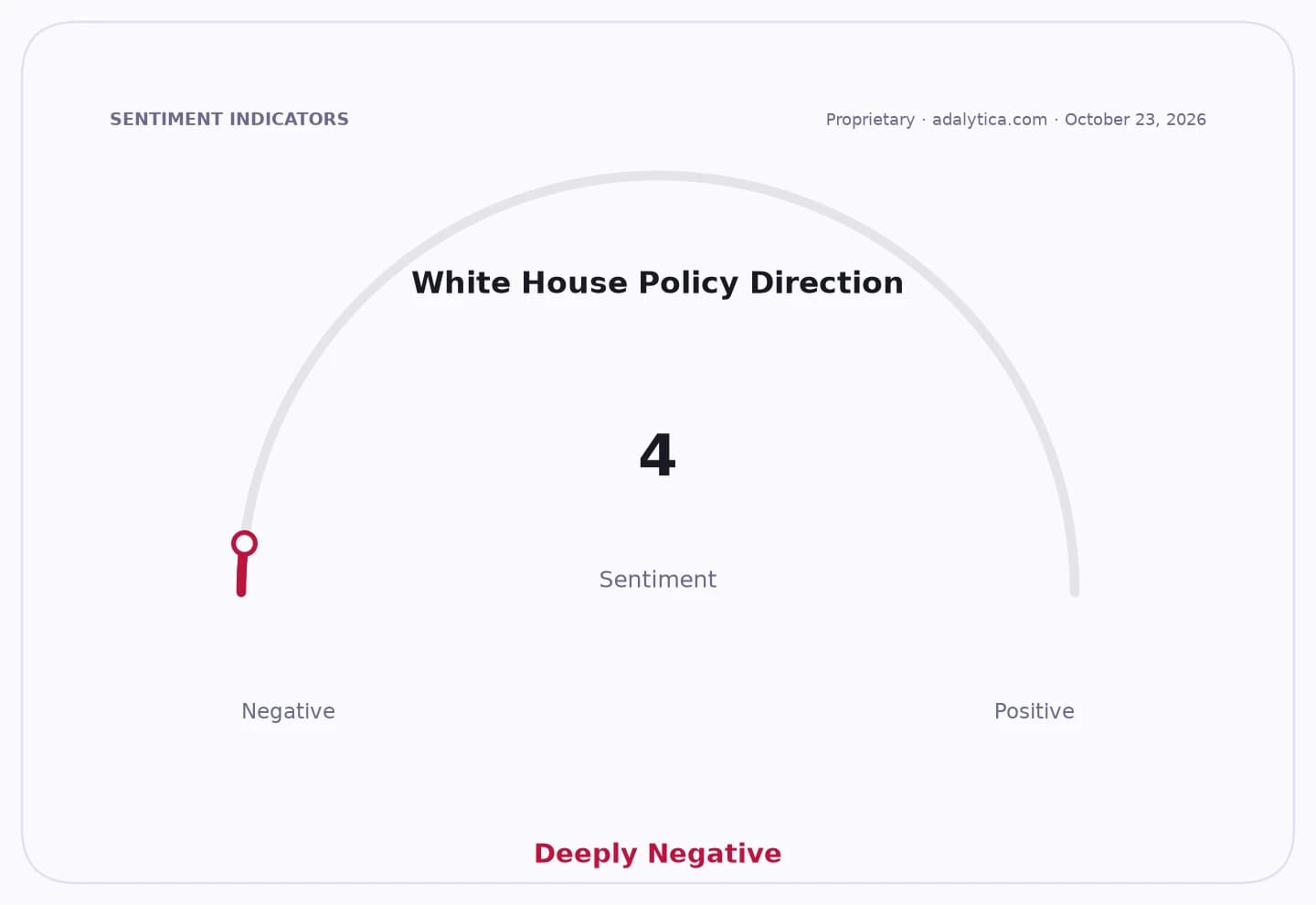
Markets do not trade directly on Cabinet drama, but they do care about institutional stability. The administration’s approval sentiment, tracked by Adalytica, has fallen to a “Fear” reading of 18, while White House policy direction sentiment remains elevated at 79, suggesting investors expect aggressive policymaking even as confidence in the political backdrop weakens. The S&P 500, tracked by SPY, still sits near record territory at 759.81, though its 50-day moving average is around 764.55, a sign that the rally has paused even as broader market sentiment remains in “Extreme Greed.”
The bigger narrative is that Trump is losing discipline inside his own government just as the opposition smells opportunity. Democrats are planning investigations into his administration and business interests, which means the next phase of Washington will likely be less about new legislation and more about subpoenas, legal exposure and defensive politics. That combination usually keeps policy volatility high and makes it harder for companies to plan around regulation, trade, education and enforcement.
For long-term investors, the lesson is not to overreact to every resignation rumor. It is to recognize that political turnover can change the odds around certain sectors, especially universities, defense, homeland security contractors, legal services and companies exposed to federal scrutiny. When Washington gets noisier, diversified portfolios tend to absorb the shock better than concentrated bets.
Trump may still keep enough of his team in place to project control, but the pattern is clear: after the election setback, the administration looks more vulnerable, not less. That is worth watching closely, because political instability can become economic instability if it starts to affect regulation, enforcement and confidence.
| Entity | Gains | Losses |
|---|---|---|
| Trump opponents | ▲More leverage in Washington | ▼N/A |
| Trump administration | ▲Ability to reset after losses | ▼Staff continuity and political control |
| Justice Department critics | ▲Slower, more chaotic enforcement | ▼Strong centralized leadership |
| Long-term investors | ▲Chances to buy quality names on volatility | ▼Short-term policy visibility |