Florida’s minimum wage is set to rise to $15 on Sept. 30, a change that could squeeze restaurant margins, force staffing cuts and accelerate automation across one of the country’s most labor-sensitive consumer markets.
Florida minimum wage rises to $15 on Sept. 30
The increase is the final planned dollar step in Florida’s multi-year wage schedule, and it matters because it arrives straight into a business model already under pressure from food inflation, tight labor markets and thin operating margins. For non-tipped workers, the floor rises to $15 an hour, while tipped employees must receive a cash wage of $11.98, with tips making up the rest. That may look incremental on paper, but for restaurants and other low-margin operators, every dollar increase ripples into overtime, scheduling, pricing and staffing decisions.
Sentiment IndicatorsⓘProprietary · adalytica.com · September 22, 2026
This is a snapshot — live sentiment, awareness and momentum for 130+ markets update continuously in the dashboard.Open AlphaPulse
That is why the real story is not just higher pay for workers. It is the transfer of cost pressure from households to employers, and then likely to consumers. Florida restaurant leaders are already warning that businesses will have to reconsider hours, trim overtime and lean harder on self-service technology. A higher wage floor also lifts the cost of every extra shift, which makes labor-intensive businesses more cautious about adding staff ahead of peak demand.
The economics are straightforward. Restaurants can either absorb the hit, pass it through in menu prices, or cut labor. In practice, they usually do all three. That creates a chain reaction: higher wages lift disposable income for workers, but they also raise the odds of higher prices, fewer staffed positions and more automation at the point of sale. For Florida’s dining sector, which depends heavily on volume and tight daily execution, that is a meaningful margin reset.
Investors should view this as more than a local labor policy. It reinforces the case for companies with scale, pricing power and labor efficiency, while pressuring smaller operators that lack the balance-sheet flexibility to absorb a sustained rise in payroll. Large chains such as McDonald’s and Walmart are better positioned to spread labor costs across a broad base and invest in productivity tools. Their shares also sit in very different technical positions right now: Walmart has been trading well below its 200-day moving average, while McDonald’s has been under similar pressure after a sharp summer slide, a reminder that even defensive names are being judged on operating leverage.
The broader setup also strengthens the investment case for automation, checkout technology and restaurant software. When wages rise at the floor, the first response from management is rarely heroic expansion — it is substitution. That favors the picks-and-shovels behind labor efficiency: self-order kiosks, scheduling software, payroll services and payment systems that help operators do more with fewer people. In other words, the minimum wage debate is increasingly an infrastructure story for commerce.
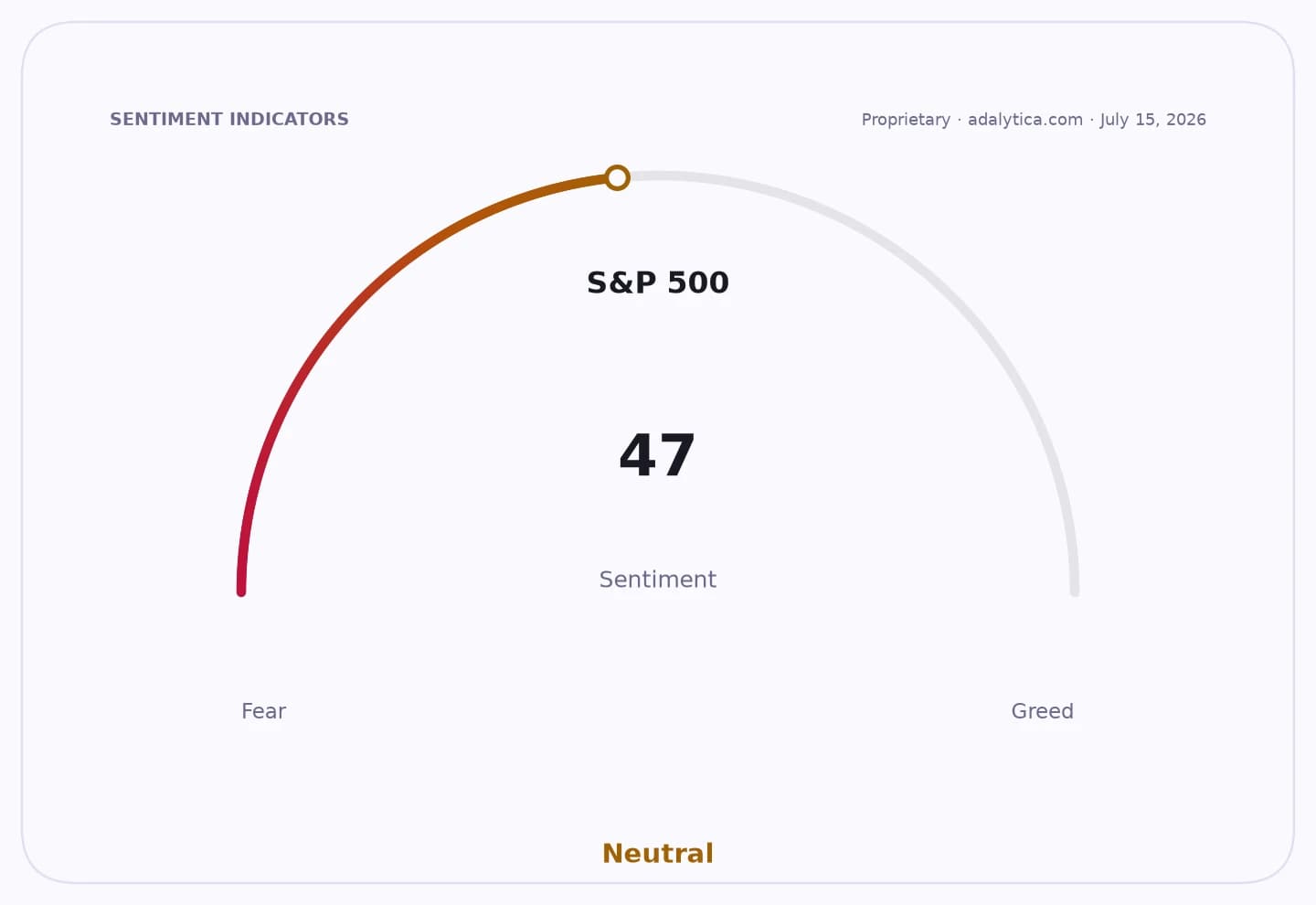
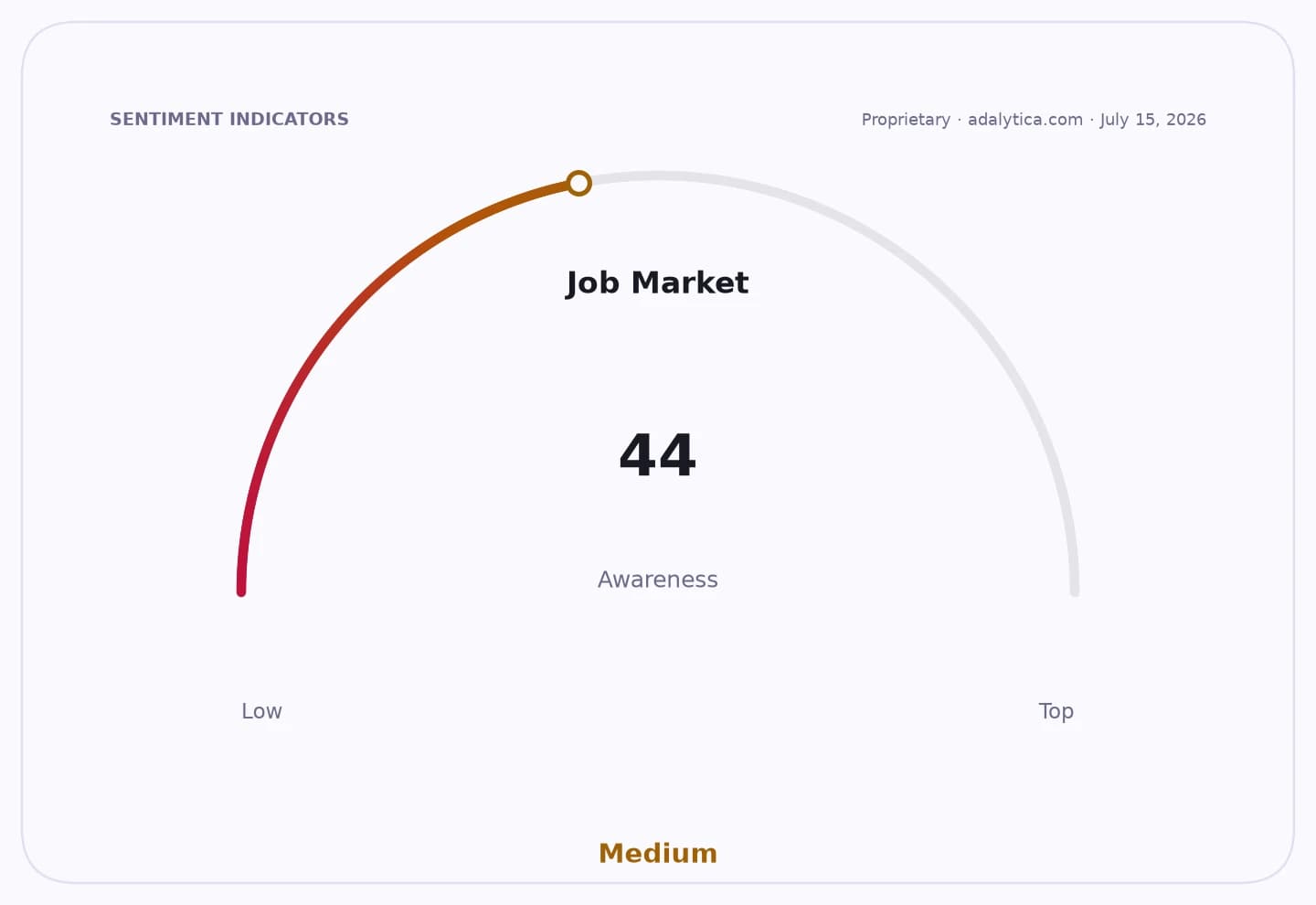
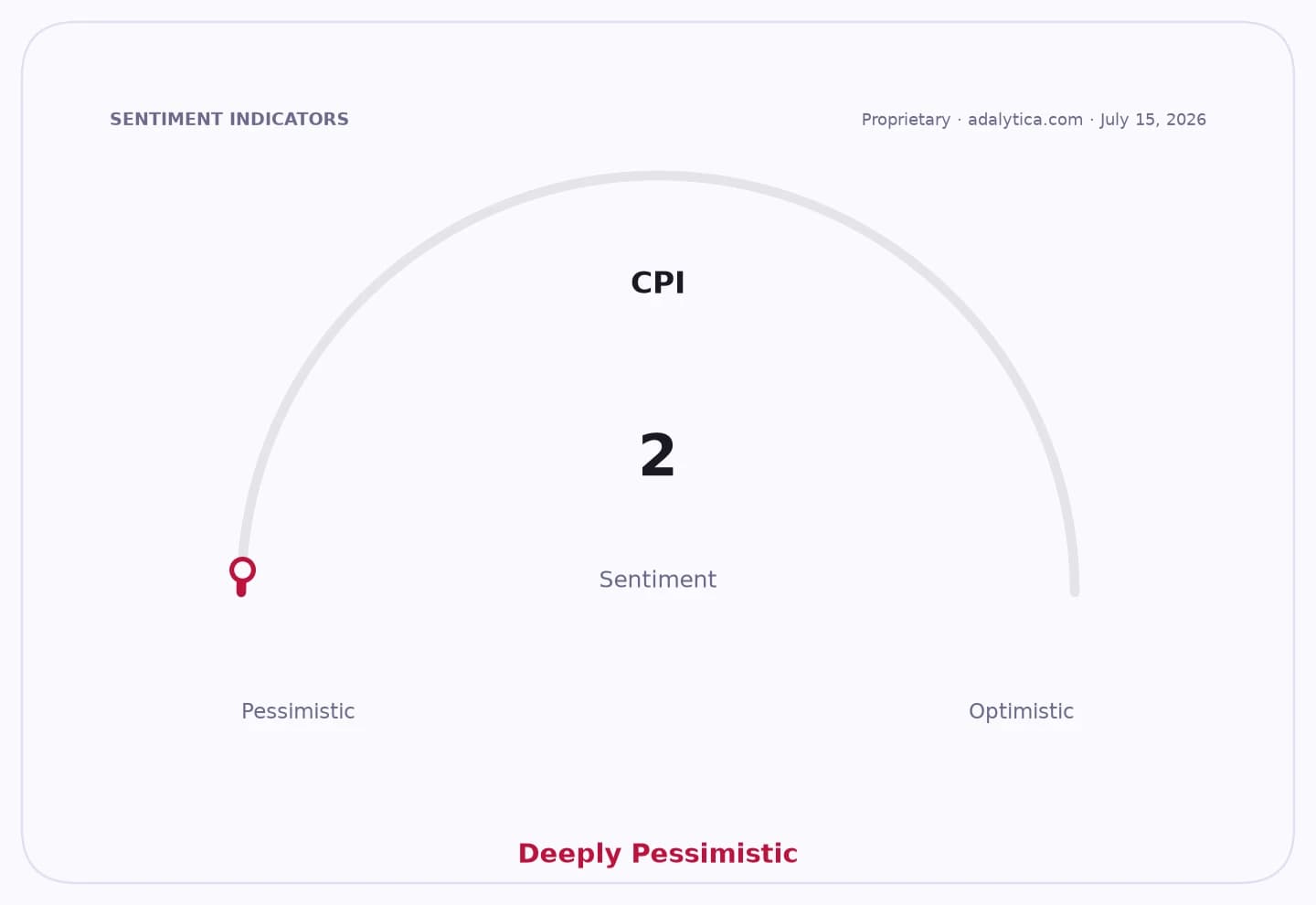
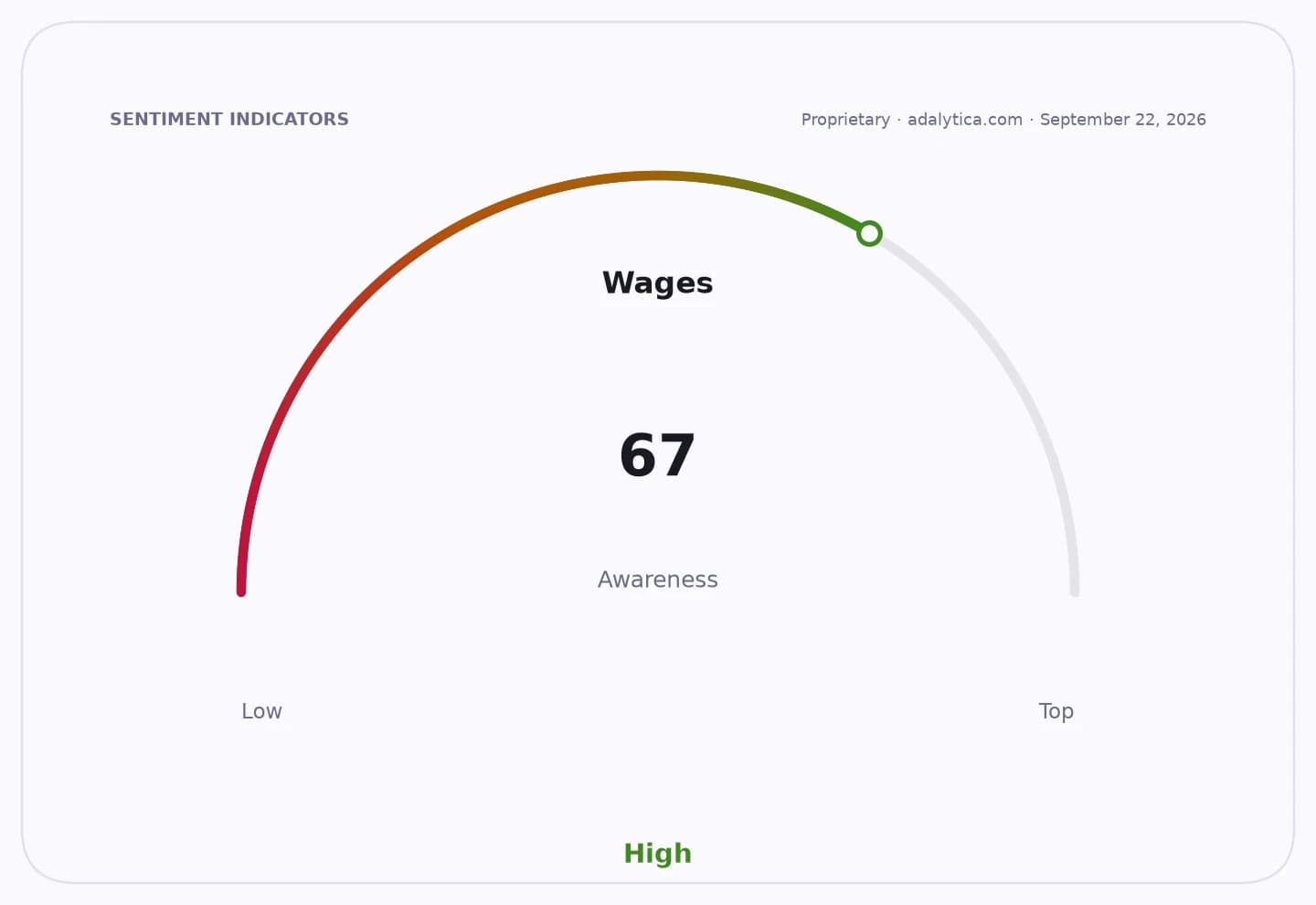
Markets are already signaling that wage pressure matters. Adalytica’s Wage Inflation Sentiment gauge shows fear around the issue, while CPI sentiment has turned greedier, suggesting investors are willing to tolerate more price pass-through. That combination is important: if labor costs rise while consumers remain resilient enough to absorb higher menu prices, the winners will be the largest chains and the technology vendors that make those prices possible.
The political angle is also getting louder. Minimum wage remains a live campaign issue, and the Florida increase will feed the national debate over whether higher wage floors are a social necessity or a drag on small business hiring. Either way, the Sept. 30 step-up closes one chapter and opens another: a higher-wage Florida economy where efficiency, automation and scale matter more than ever.
For investors, the takeaway is clear. Own the businesses that sell labor savings, not the ones forced to buy them.
| Entity | Gains | Losses |
|---|---|---|
| Workers | ▲Higher hourly pay | ▼Fewer hours possible |
| Large chains | ▲Scale and pricing power | ▼Less direct impact |
| Small restaurants | ▲Limited benefit | ▼Margin squeeze |
| Automation vendors | ▲More demand | ▼None from wage hikes |