Europe is stepping up gas purchases at maximum speed ahead of winter, as historically low storage levels and Germany’s struggle to hit its 80% refill target renew fears of another tight heating season.
Europe Boosts Gas Buying Ahead of Winter
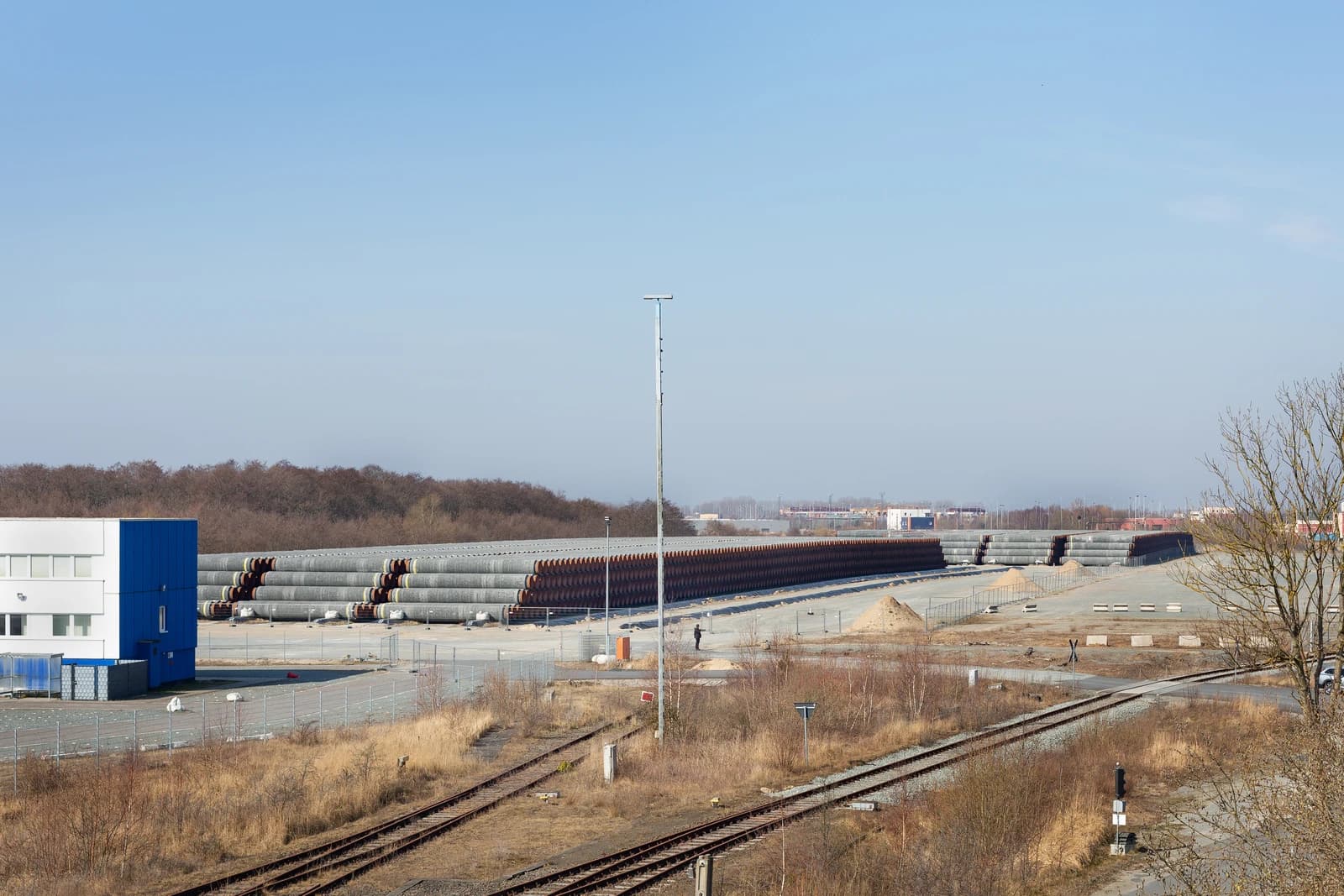
The rush matters because storage is Europe’s main buffer against cold snaps, pipeline disruptions and price spikes. With inventories lagging, governments and state-linked buyers are being pushed to secure more supply now rather than risk a scramble later, a dynamic that can ripple through wholesale gas prices, power costs and industrial margins.
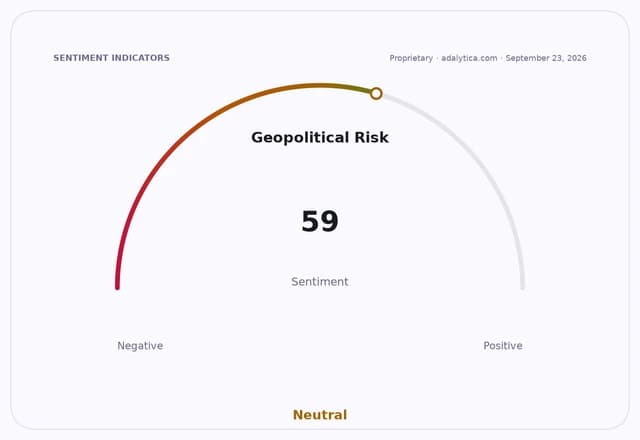
Sentiment IndicatorsⓘProprietary · adalytica.com · September 23, 2026
This is a snapshot — live sentiment, awareness and momentum for 130+ markets update continuously in the dashboard.Open AlphaPulse
Germany is at the center of the concern. Officials are weighing market incentives to accelerate injections, while state-owned importer Sefe says it is still buying gas to bolster supply security without hurting the business. The move echoes the emergency playbook used in 2022, when the region’s dependence on Russian flows left it exposed to a severe energy shock.
The market has already begun to reflect the anxiety. U.S.-listed United States Natural Gas Fund, or UNG, slipped to $10.26 on Sept. 21 after briefly trading above $16 earlier this year, while LNG exporter Cheniere Energy held near $274.98 and producer EQT traded around $50.13. The 10-year Treasury yield at roughly 4.96% underscores a broader backdrop of tight financial conditions, but Europe’s gas issue is more directly about supply security than rates.
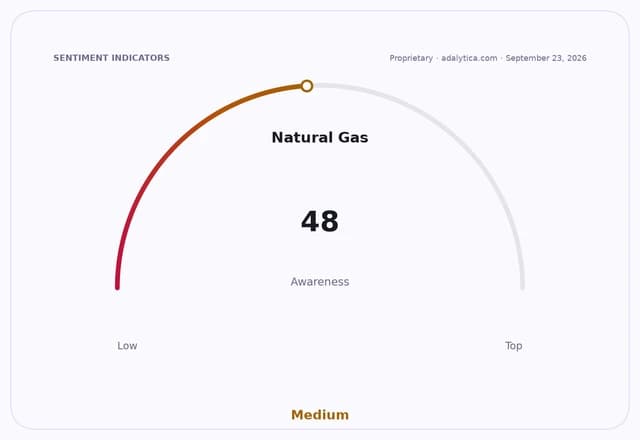
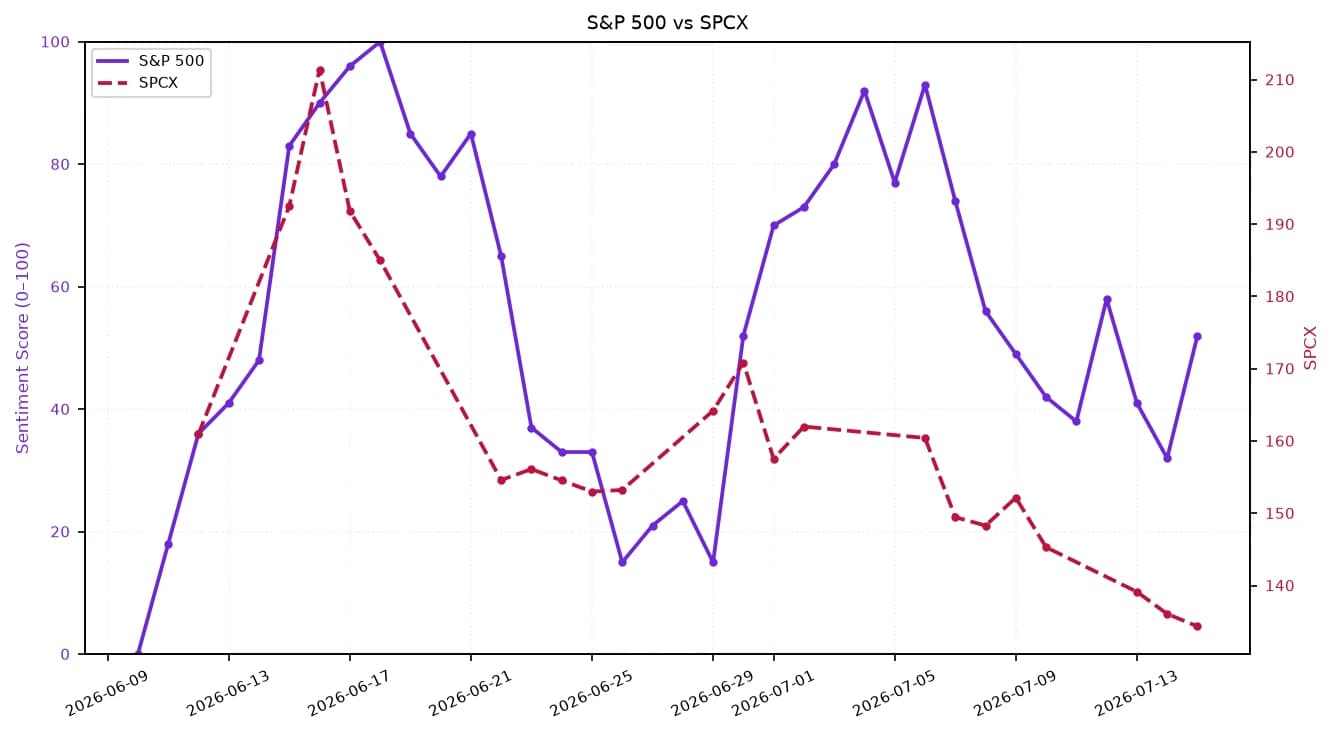
Investor implications cut both ways. Upstream gas producers and LNG exporters can benefit from stronger winter demand and firmer pricing, while utilities, industrial users and gas-heavy manufacturers face the risk of higher input costs if storage remains short. The latest Adalytica natural gas trade signal is neutral, but the 30-day rise in sentiment suggests traders are already leaning toward a firmer setup.
France’s President Emmanuel Macron is also pressing for more collective action on storage, adding political pressure for coordinated buying across the bloc. The next catalyst is whether Germany and the EU can speed injections enough before temperatures fall; if not, the market will likely price in a more volatile winter.
| Entity | Gains | Losses |
|---|---|---|
| LNG exporters | ▲stronger winter demand | ▼lower spot prices if storage fills fast |
| Gas producers | ▲firmer pricing | ▼weaker margins if policy caps rally |
| European utilities and industry | ▲supply security | ▼higher fuel and power costs |
| Germany and EU policymakers | ▲reduced winter risk | ▼political blame if storage stays short |