Euclyd has raised more than €200 million to build a European AI chip platform aimed squarely at Nvidia, giving the Dutch startup the war chest and industry backing to pursue one of the semiconductor sector’s most ambitious bets.
Euclyd Raises Over €200M for AI Chip Platform

The funding matters because AI chip demand is still being shaped by a narrow set of dominant suppliers, with Nvidia controlling the most valuable part of the market and ASML sitting at the center of the manufacturing chain that makes advanced chips possible. Euclyd’s pitch — up to 100 times better power efficiency for AI inference — targets one of the biggest constraints in the industry: the cost and electricity burden of running large AI systems.
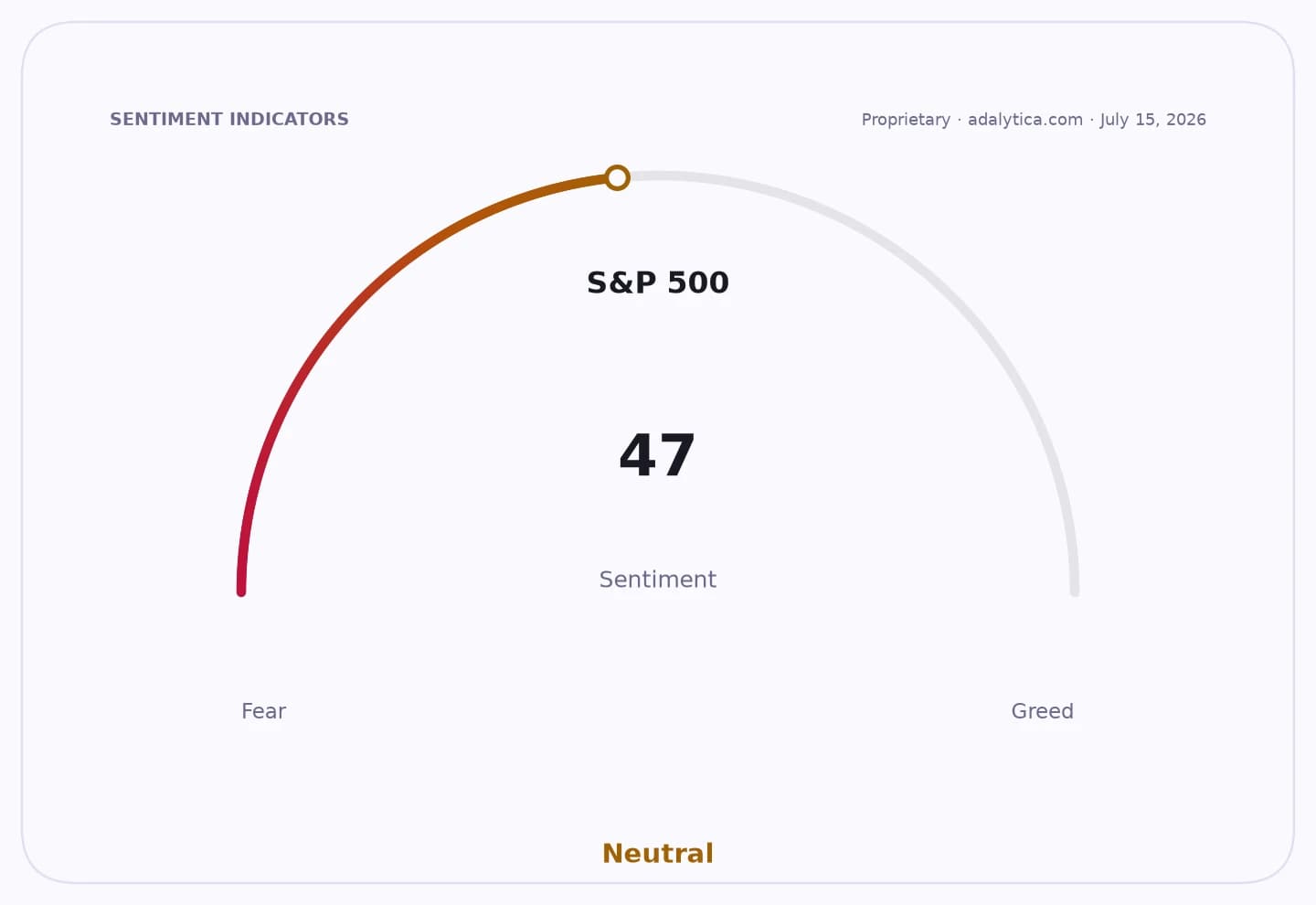
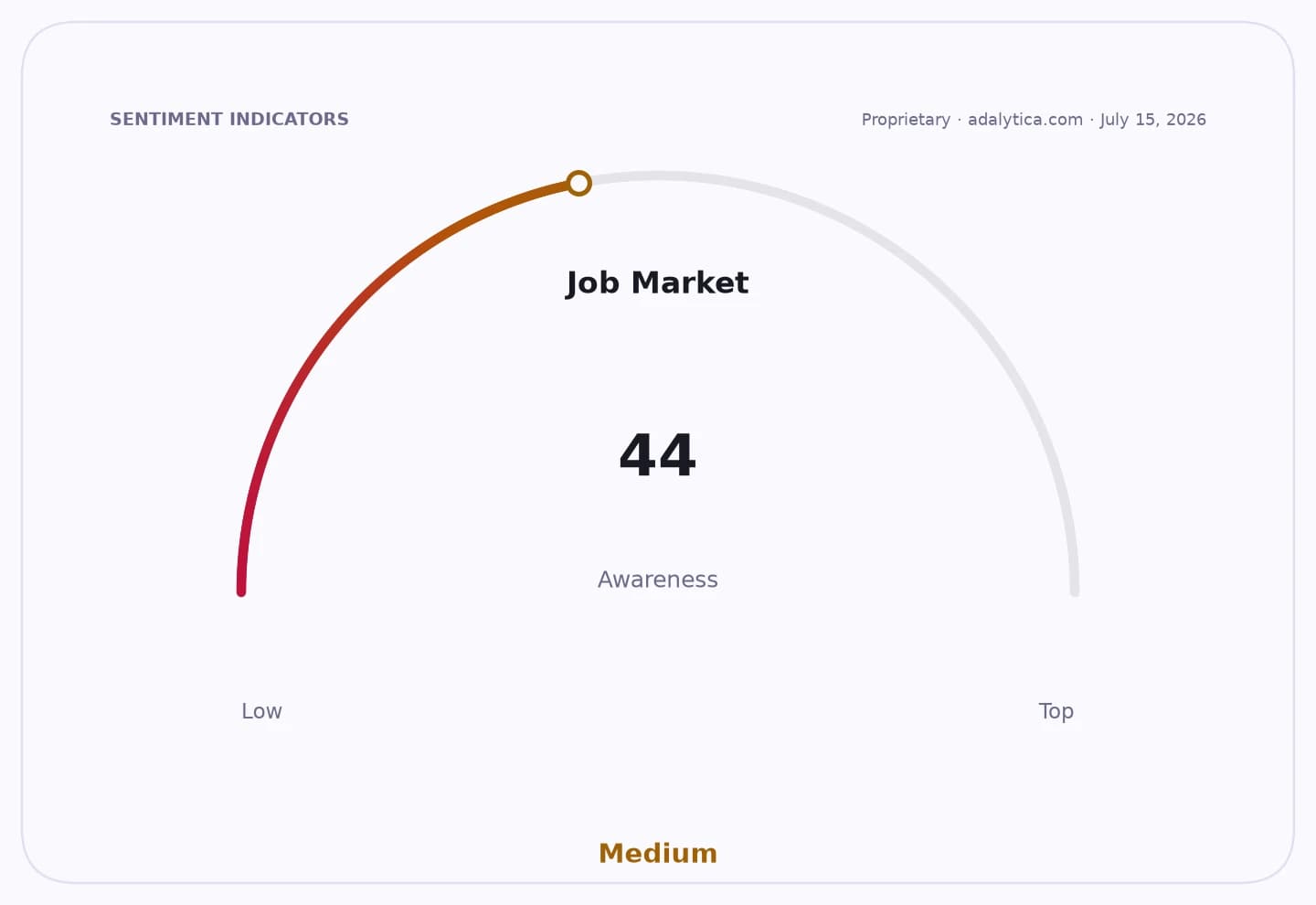
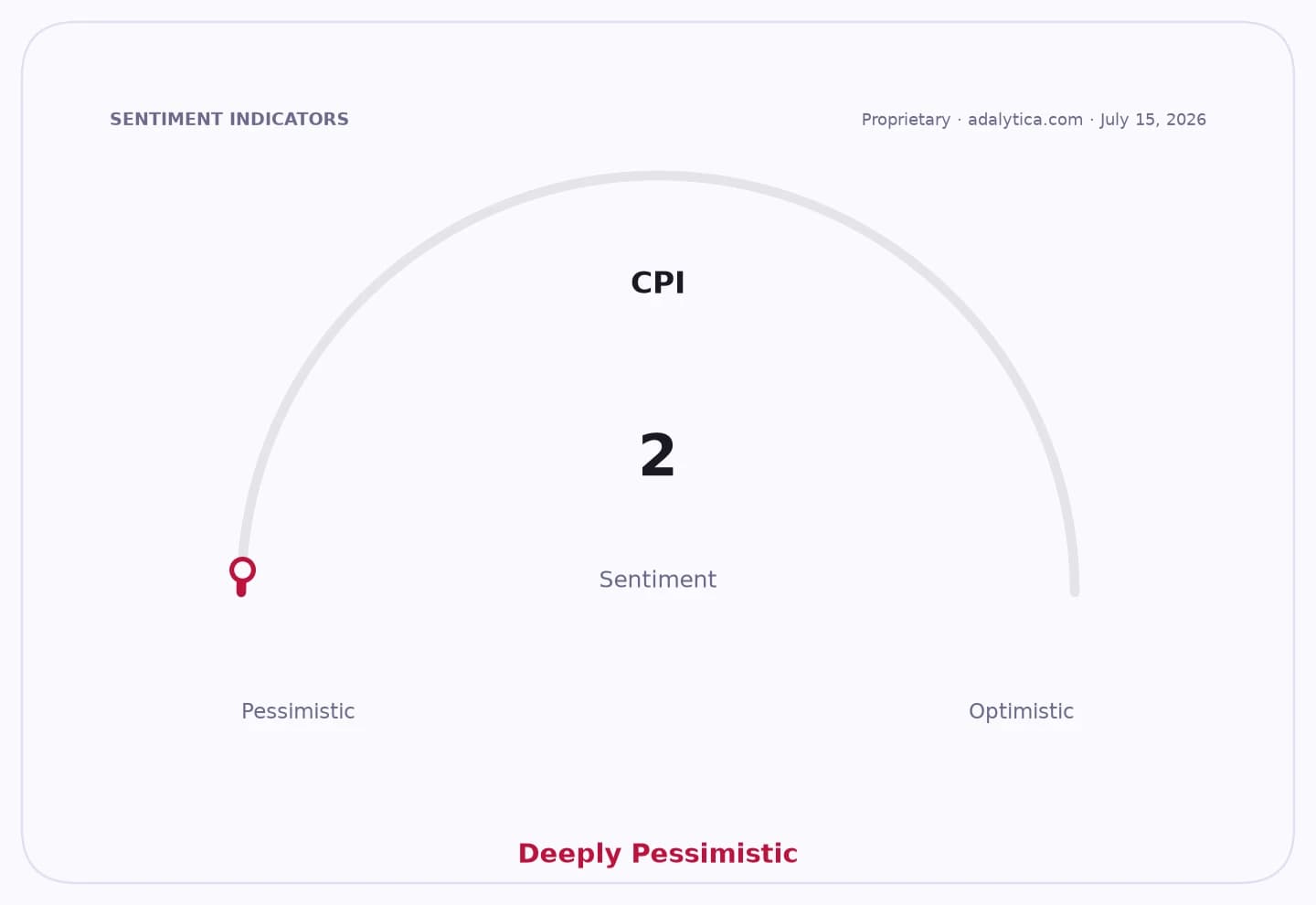
Sentiment IndicatorsⓘProprietary · adalytica.com · September 21, 2026
This is a snapshot — live sentiment, awareness and momentum for 130+ markets update continuously in the dashboard.Open AlphaPulse
The Series A round was co-led by Samsung Electronics, Somerset Capital Partners, the EU’s Scaleup Europe Fund and Innovation Industries. Euclyd also named Peter Wennink, ASML’s former chief executive, as chairman, a sign the company is trying to marry European chip credentials with deeper access to the global semiconductor ecosystem.
For investors, the raise adds another challenger to Nvidia’s GPU-led model at a time when capital is still flooding into AI infrastructure, but scrutiny is also rising over energy use, returns on spending and how long hyperscalers can keep expanding capacity. If Euclyd can translate its design into working silicon and commercial deployments, it could open a new lane for AI compute suppliers beyond the current GPU bottleneck.
The startup, founded in 2024, says its architecture processes data in multiple locations at once rather than moving it through memory in the traditional way. It argues that would reduce energy use, lower costs and shrink the footprint of AI data centers, with applications spanning enterprise, sovereign and hyperscale customers.
Its emergence also fits a broader European effort to build more domestic semiconductor capability as geopolitical tensions and U.S. export controls push governments and companies to reduce reliance on foreign suppliers. Still, Europe’s chip startups face a tough climb against a manufacturing base that remains far thinner than those in the U.S., Taiwan and South Korea.
The company has not yet disclosed a public market valuation, and its technology remains unproven at scale. The next test is whether it can turn the new capital and Samsung-backed support into a commercial product before the AI chip race hardens further around Nvidia, AMD and the foundry and equipment giants that supply them.
| Entity | Gains | Losses |
|---|---|---|
| Euclyd | ▲fresh capital and industry backing | ▼pressure to prove technology |
| Nvidia | ▲continued AI chip demand | ▼new long-term challenger |
| Samsung Electronics | ▲early access to new chip design | ▼backing a high-risk rival |
| European chip sector | ▲more funding and credibility | ▼still faces manufacturing gaps |