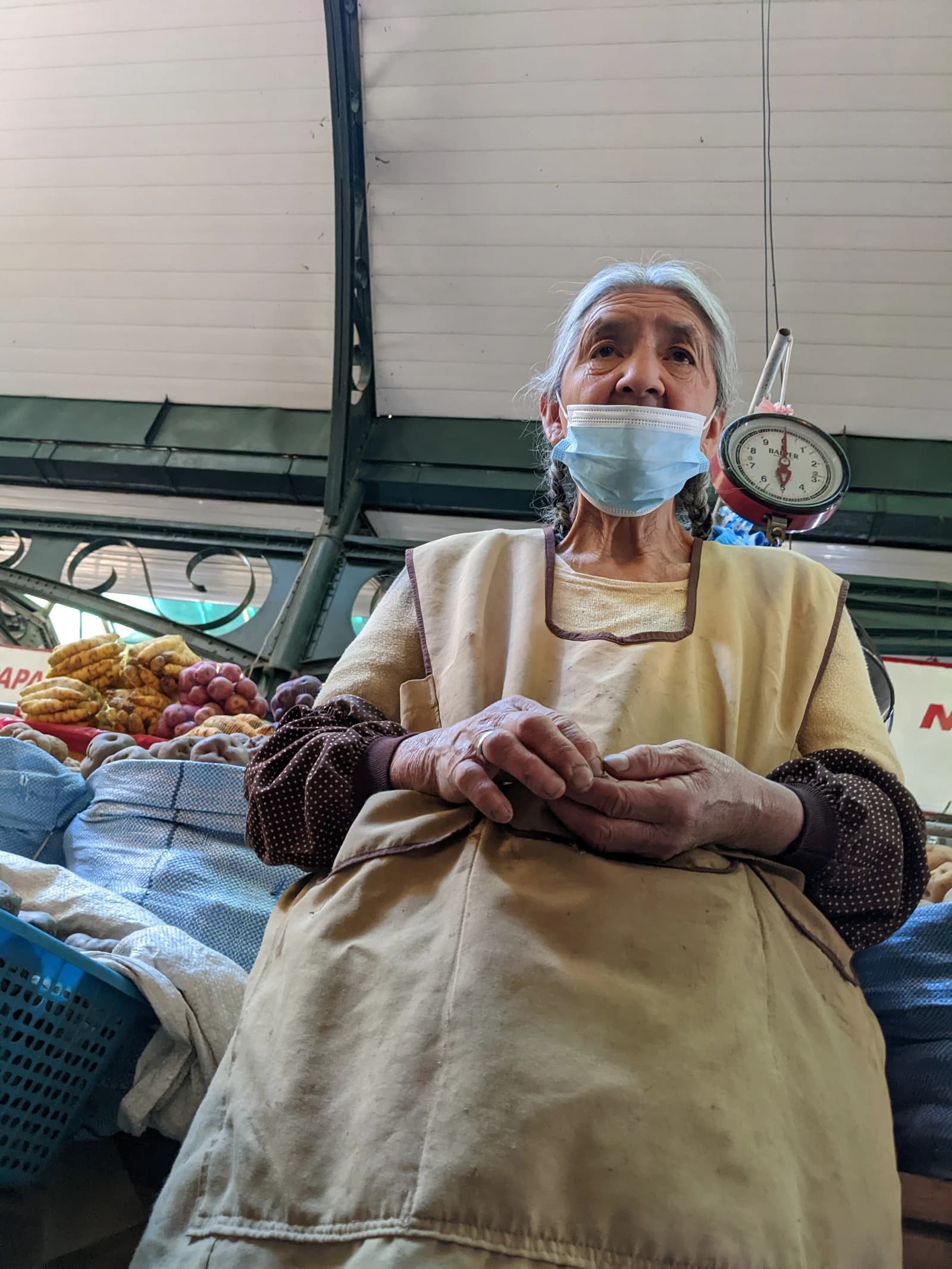
Images of migrants crossing into Spain’s North African enclave of Ceuta are strengthening far-right parties across the European Union and pushing Brussels toward tougher enforcement, EU migration commissioner Magnus Brunner said.
EU Migration Pressure Boosts Far-Right Parties
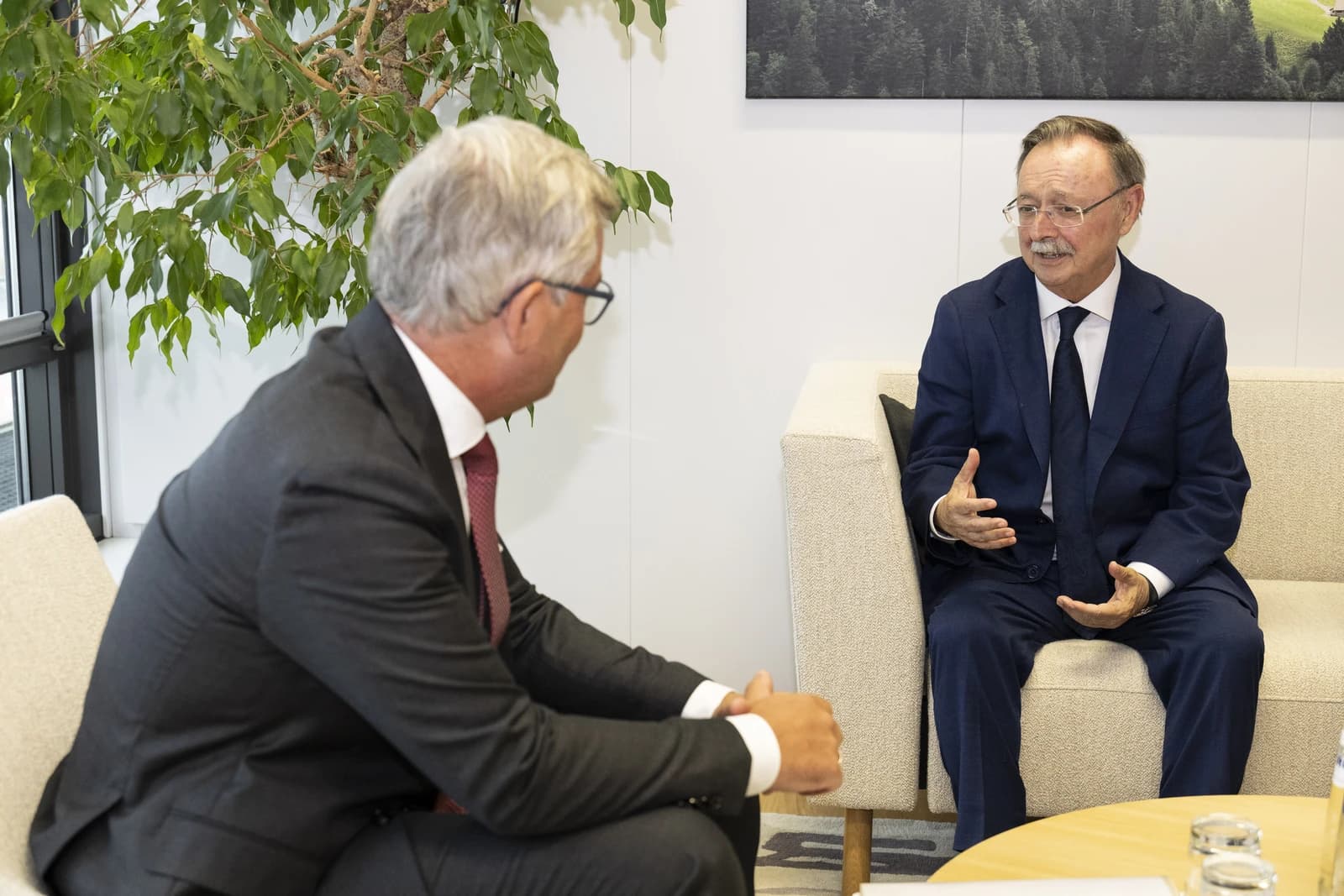
The political fallout matters because migration has become one of the bloc’s most combustible issues, shaping elections, coalition math and policy for 27 member states. Brunner said the images are “overshadowing real successes and real facts and figures,” even as overall numbers have fallen, underscoring how border scenes can outweigh statistics in public debate.
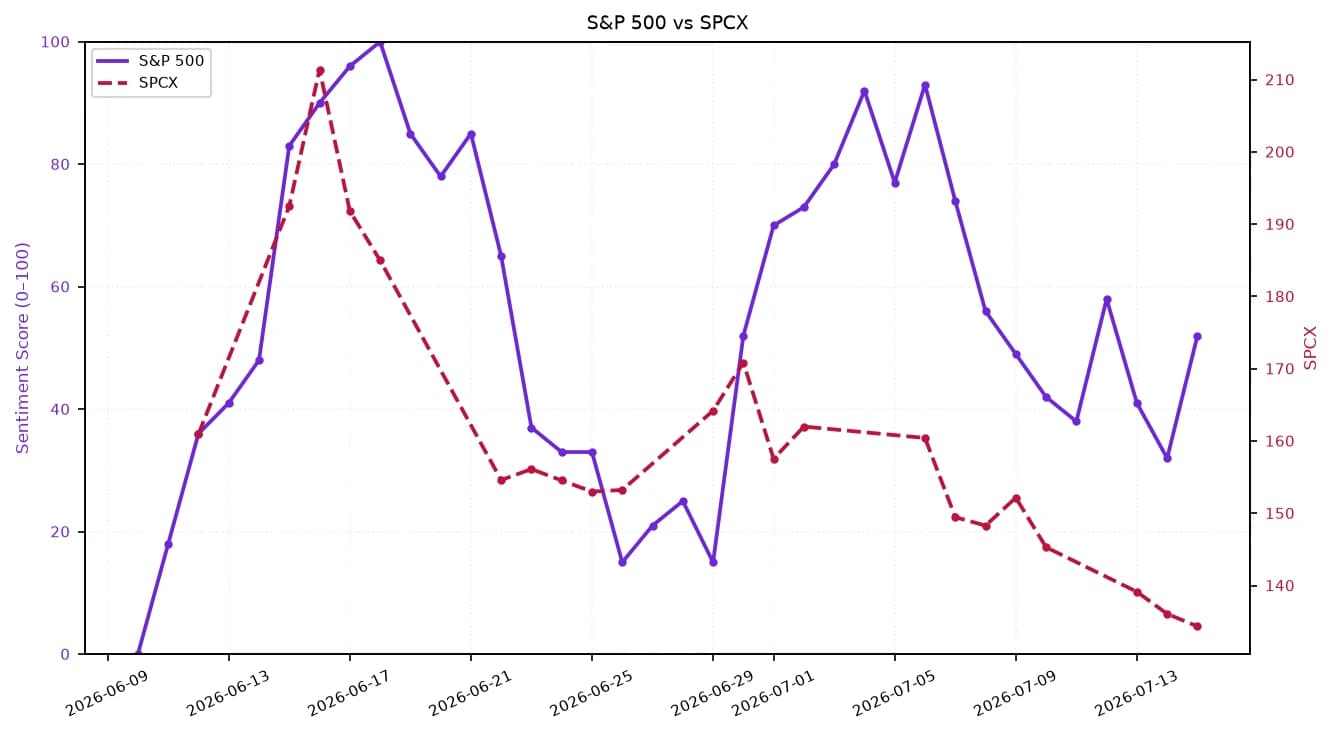
Sentiment IndicatorsⓘProprietary · adalytica.com · September 20, 2026
This is a snapshot — live sentiment, awareness and momentum for 130+ markets update continuously in the dashboard.Open AlphaPulse
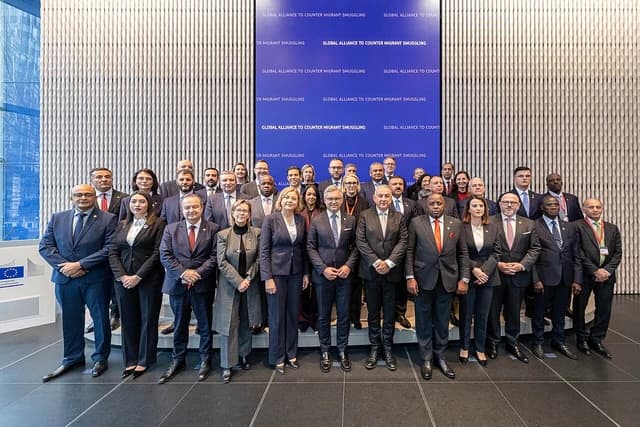
Brunner’s comments came as the European Commission presses ahead with plans for an emergency framework aimed at stopping mass organized movements of migrants. He said the details will be discussed at the next meeting of EU governments, while stressing the bloc first needs to implement the system already agreed.
The message from Brussels is that control at the border has become as important politically as it is operationally. For investors, the issue is not a direct market catalyst on its own, but it has implications for European politics, fiscal priorities and risk appetite, particularly if migration keeps boosting support for nationalist parties that favor tighter borders and more confrontational EU politics.
Ceuta has been a flashpoint since tens of thousands of migrants arrived from Morocco, with Spanish authorities moving 864 people into a new reception center while thousands remained in the enclave in recent reporting. The episode has sharpened tensions between Madrid and Rabat and exposed how quickly a localized border crisis can become a continental political problem.
For markets, the broader read-through is that immigration pressure can reinforce fragmentation inside the EU just as policymakers are trying to present a unified stance on security, border controls and relations with Morocco. The next catalyst is the EU leaders’ discussion of Brunner’s emergency framework, which will show whether member states are ready to translate political pressure into faster, tougher policy.
| Entity | Gains | Losses |
|---|---|---|
| Far-right EU parties | ▲Stronger support | ▼Mainstream centrist rivals |
| EU leaders pushing stricter controls | ▲Political leverage | ▼Open-border advocates |
| Spain / Ceuta authorities | ▲More backing for enforcement | ▼Under pressure from chaos |
| Migrants and asylum seekers | ▲None immediately | ▼Faster returns and tighter access |