Egypt’s push to use the 81st U.N. General Assembly high-level week to press regional diplomacy and deepen bilateral ties comes as the Middle East faces some of its most acute security and humanitarian strains in years.
Egypt foreign minister heads to UN talks in New York
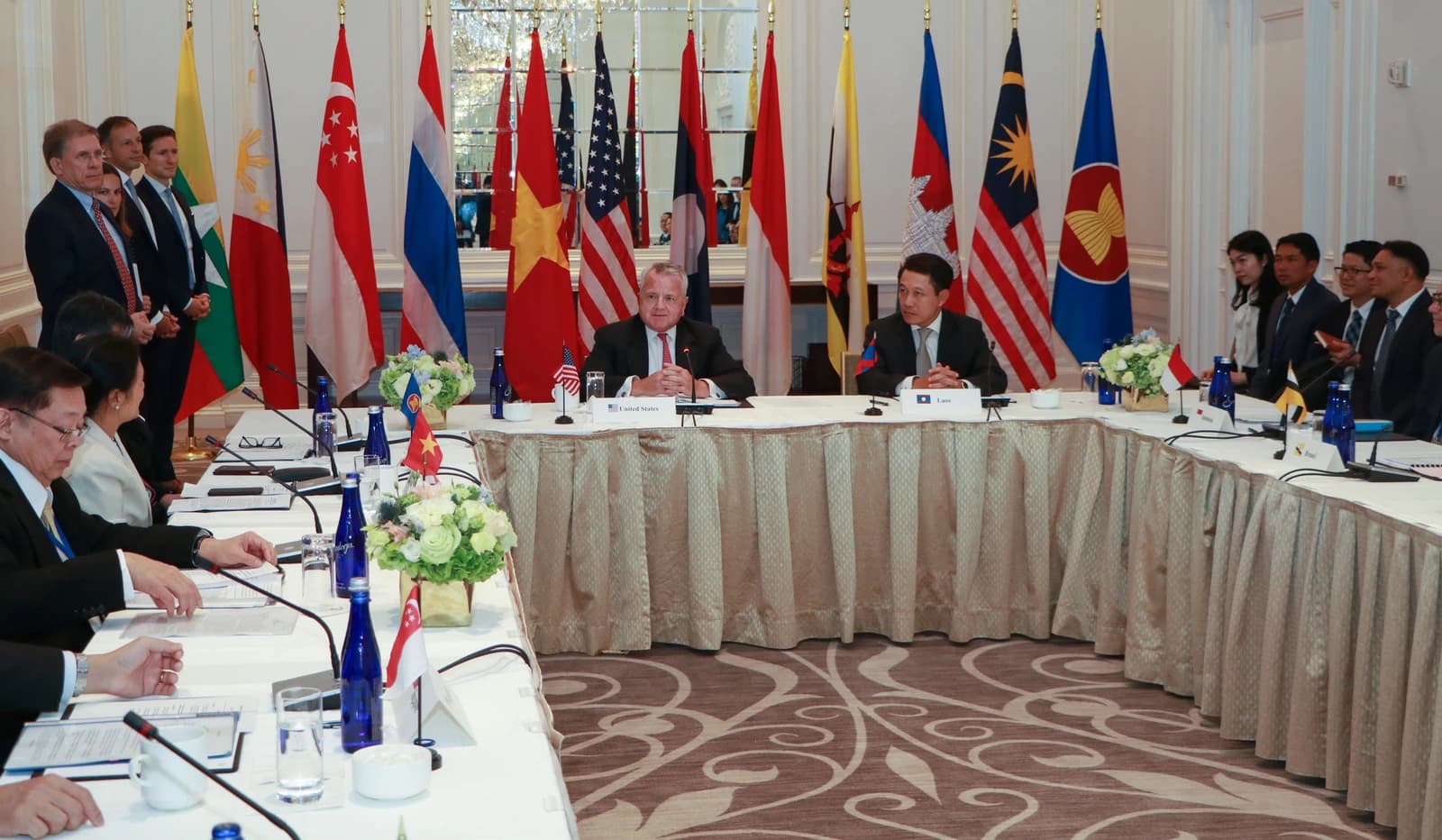
Foreign Minister Badr Abdelatty left for New York on Saturday to take part in the senior-level segment of the General Assembly, where he is scheduled to hold a series of bilateral meetings with foreign ministers and delegation heads, Egypt’s foreign ministry said. The talks are expected to cover relations with key partners as well as “the most prominent regional and international issues of common interest.”
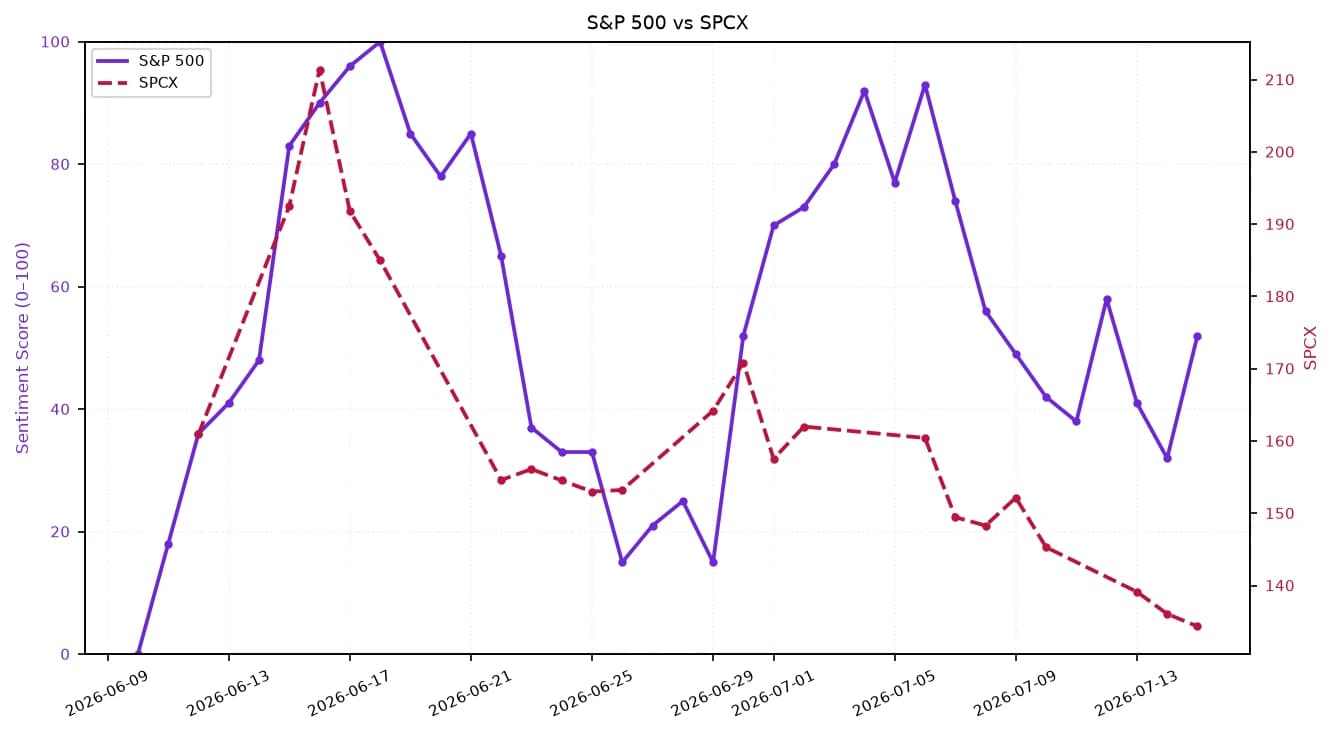
Sentiment IndicatorsⓘProprietary · adalytica.com · September 21, 2026
This is a snapshot — live sentiment, awareness and momentum for 130+ markets update continuously in the dashboard.Open AlphaPulse
The trip matters because U.N. General Assembly week is one of the few global forums where crisis diplomacy, alliance management and economic statecraft converge in the same place. For Egypt, a central Arab mediator with direct interests in Gaza, the Red Sea and wider Middle East stability, the meetings are a chance to reinforce its role as an indispensable interlocutor at a time when regional conflict is still feeding political risk, trade disruption and pressure on neighboring economies.
For investors, that matters beyond the diplomatic theater. Escalation in the region can quickly affect shipping routes, energy prices, insurance costs and emerging-market risk premiums, while any progress toward de-escalation can ease some of those pressures. Egypt, which sits at the crossroads of those flows, has a direct stake in limiting spillovers that can weigh on tourism, foreign-exchange earnings and broader macro stability.
The ministry did not disclose the full list of meetings, but the format itself is revealing: bilateral talks, high-level events and side meetings are the machinery through which countries test support for ceasefire efforts, humanitarian access and future reconstruction frameworks. For Cairo, which has sought to position itself as a mediator rather than a bystander, the week in New York is also an opportunity to preserve relevance in negotiations that could shape the regional balance well beyond the U.N. chamber.
The immediate market read-through is likely to remain subtle unless the meetings produce concrete diplomatic movement. Still, investors will watch for any sign that regional actors are aligning around a more durable political track, or, conversely, that tensions remain stuck in a cycle that keeps geopolitical risk elevated heading into year-end.
| Entity | Gains | Losses |
|---|---|---|
| Egypt’s Foreign Ministry | ▲Diplomatic leverage | ▼Limited room for policy surprises |
| Regional mediators | ▲Coordination opportunities | ▼Pressure if talks stall |
| Investors in MENA assets | ▲Lower risk if de-escalation advances | ▼Higher volatility if tensions persist |
| Shipping, tourism and energy markets | ▲Stability from reduced conflict risk | ▼Disruption from any escalation |