Egypt’s next cotton auction in Menoufia is set to matter less as a one-day sale than as a read on whether the country’s revamped cotton marketing system can deliver better prices for farmers and attract strong buying from exporters.
Egypt cotton auction in Menoufia to test prices
The auction, due to start Sunday, will offer 3,481 kantars of Super Giza 97 cotton packed in 2,781 bags, one of the largest single lots from the governorate this season. That scale matters because Menoufia is one of the key Delta producing areas for Egypt’s prized long-staple cotton, and the pricing outcome will help set expectations for the rest of the harvest.
Sentiment Indicators
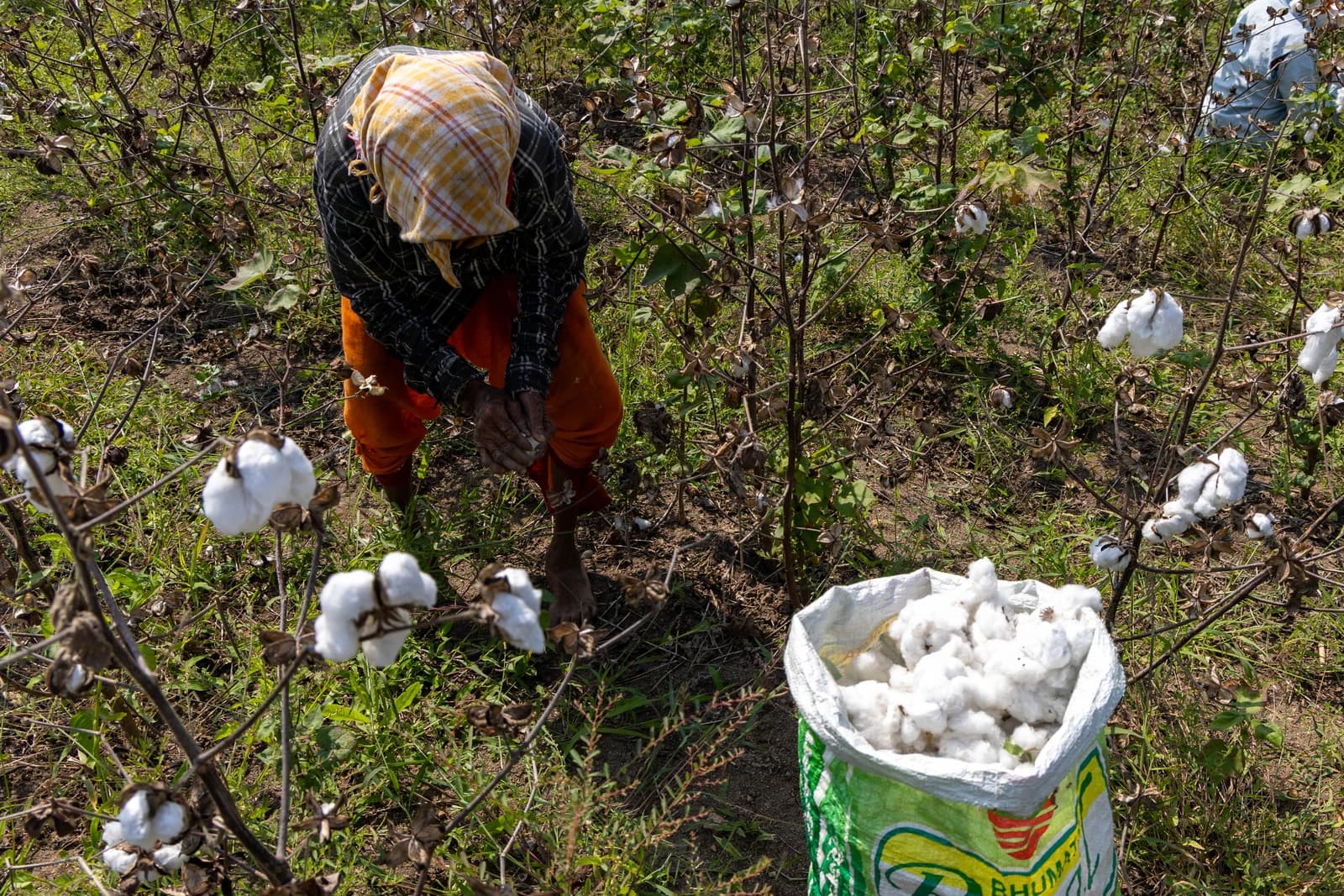
For farmers, the importance is straightforward: auction pricing determines whether cotton remains an attractive crop or another example of squeezed agricultural margins. Egypt’s authorities are using open bidding and reference prices tied to global cotton markets in an effort to protect growers and encourage more planting in future seasons. If the auction clears at a healthy premium, it strengthens the case that transparency can lift returns in a sector long criticized for weak farmgate pricing.
For investors and traders, the signal is just as clear. Strong competition from local and international cotton merchants would suggest demand is still firm for high-quality Egyptian fiber, even as global commodity markets remain volatile. That could support exporters, ginning and trading companies with exposure to the crop, while also reinforcing Egypt’s branding advantage in premium cotton.
The wider narrative is about whether Egypt can keep its “white gold” industry commercially viable. More than 455,000 kantars were offered across previous auction rounds in Upper and Lower Egypt, with contracts awarded to established players including Misr Cotton and Textiles Trading and Ginning, Nile Modern Trading, El Motaheda and Abu Madoa. Those earlier sessions point to a system that is gaining traction, but the Menoufia sale will be watched as a fresh test of liquidity, pricing power and buyer appetite in the Delta.
Good weather this season has helped the crop, and the auction format is designed to convert that quality into better returns. If Sunday’s bidding is brisk, it should support both farmer incomes and confidence in Egypt’s cotton revival. If not, it will revive familiar questions about whether the market is truly serving growers as intended. For long-term investors, the best angle is to watch whether this reform keeps translating into stronger prices, steadier production and a more durable export story.
| Entity | Gains | Losses |
|---|---|---|
| Egyptian cotton farmers | ▲Better farmgate prices | ▼Weak auction bids |
| Exporters and traders | ▲Access to premium fiber | ▼Higher purchase costs |
| Egypt’s cotton sector | ▲Stronger price discovery | ▼Questions over reform success |
| Buyers with strong balance sheets | ▲Discount to global premiums | ▼Smaller rivals lacking liquidity |