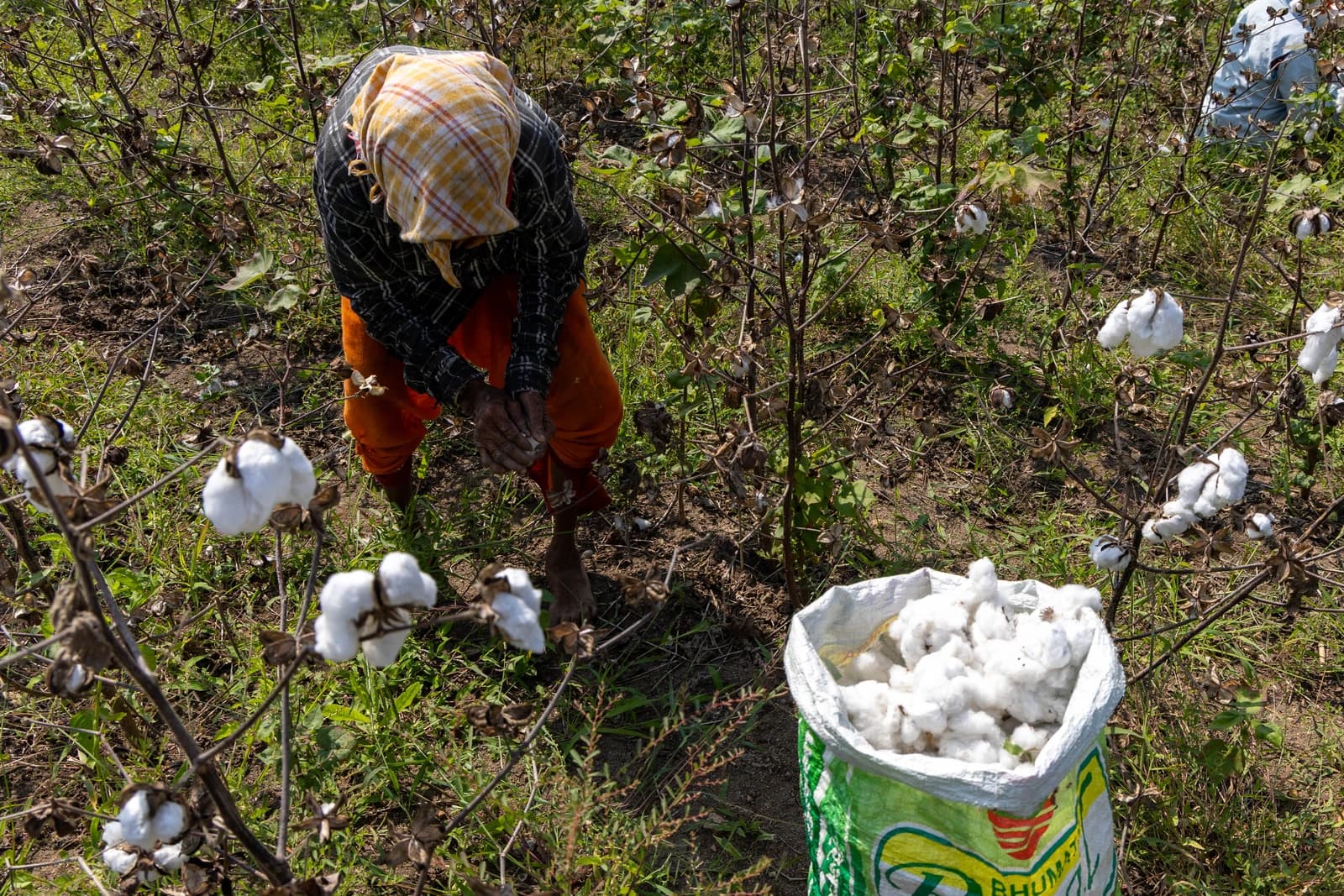
Farmers in Rayagada district are increasingly cultivating cotton as a commercial crop as local mandi access narrows, forcing growers in Gunupuram, Padmapuram, Gudari, Ramannaguda and Chandrapur to sell through fewer channels and raising the stakes for cash flow, transport and price discovery.
Rayagada Cotton Farmers Face Mandi Access Limits
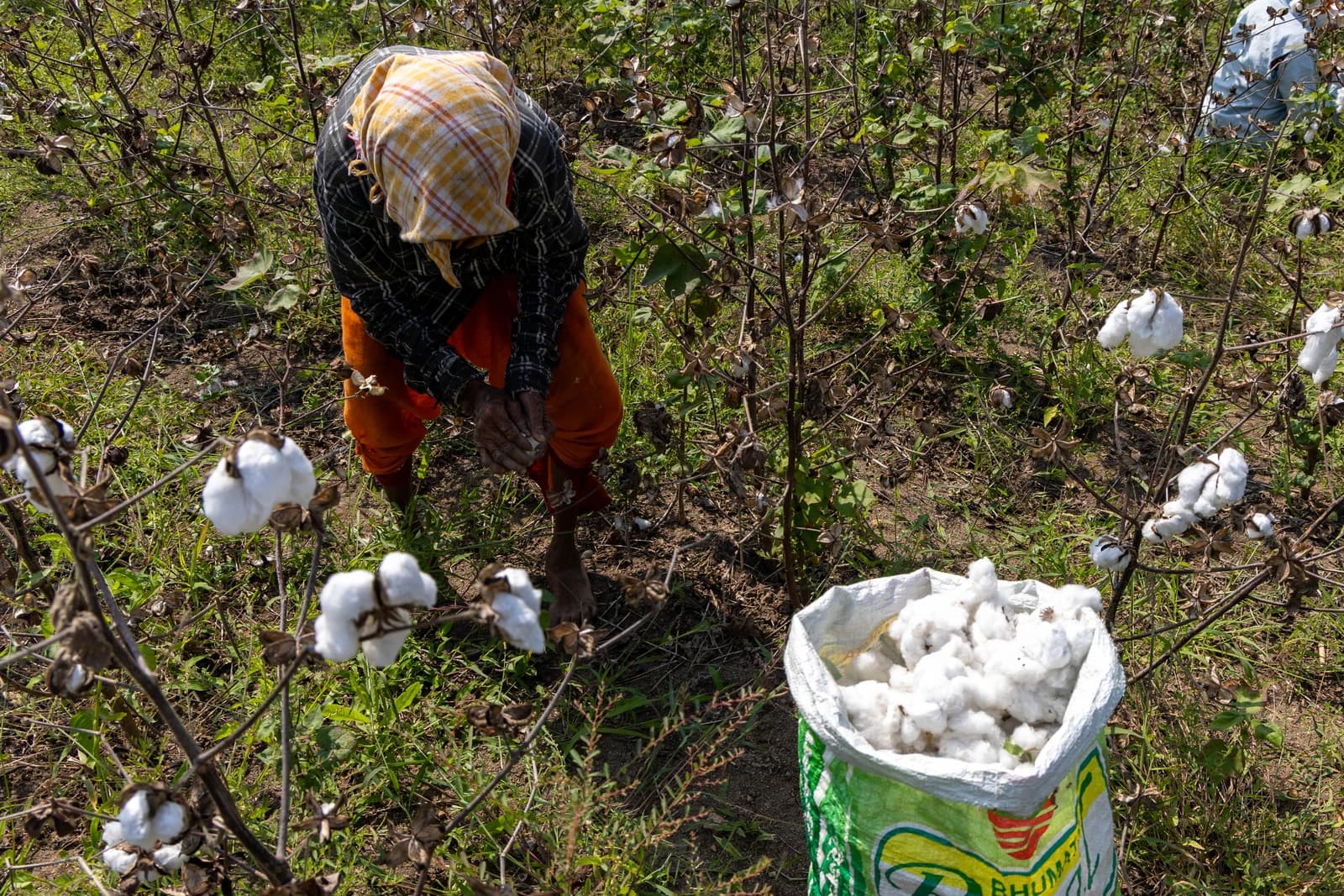
That shift matters because cotton is not just another crop mix change: it ties rural incomes more tightly to market access, procurement reliability and the ability to move a bulky, price-sensitive commodity to buyers before quality deteriorates. When a mandi outlet closes or becomes harder to use, farmers lose the most efficient spot market route and are pushed toward longer-haul trade, private buyers or delayed sales, all of which can compress margins even if farmgate prices are stable.
Sentiment Indicators
For local growers, the appeal of cotton is clear. It is a commercial crop with a defined cash return and, in many areas, stronger monetisation than subsistence alternatives. But the economics are unforgiving. Cotton requires upfront spending on seed, labour, pest control and harvest, and returns depend heavily on timely procurement and transport. If farmers have to travel farther after a mandi closure, the extra logistics cost can wipe out part of the price advantage that drew them into the crop in the first place.
The broader signal is that agricultural markets in the district are becoming more exposed to infrastructure and distribution bottlenecks. That tends to favour better-capitalised farmers and traders with storage, transport and negotiating power, while smaller growers bear more of the volatility. In a stressed consumer environment — where sentiment around spending remains weak — the pressure on rural purchasing power can feed back into demand for agricultural inputs, equipment and downstream consumption.
Investors should read this as a reminder that crop acreage decisions are not only about agronomy but also market plumbing. A move toward cotton can lift demand for ginning, storage, logistics and input supply, but it also concentrates risk in the hands of farmers if procurement remains fragmented. If local authorities restore reliable mandi access or improve transport links, the transition could support higher marketed surplus; if not, farm incomes may remain vulnerable despite the crop switch.
The key variable now is whether Rayagada’s cotton growers can convert acreage into dependable sales or whether the collapse in market access forces them to accept lower prices and higher costs. That will determine whether cotton becomes a durable commercial opportunity or simply a higher-risk bet for farmers trying to keep cash income flowing.
| Entity | Gains | Losses |
|---|---|---|
| Cotton farmers in Rayagada | ▲Cash crop income potential | ▼Higher transport and price risk |
| Traders and private buyers | ▲More sourcing power | ▼Less transparent pricing |
| Local mandi system | ▲None | ▼Reduced market relevance |
| Rural households | ▲Possible cash income uplift | ▼Greater income volatility |