Egypt’s 6-month treasury bills remain one of the most compelling carry trades in emerging markets, according to Morgan Stanley, which says the country is still offering investors a return that more than compensates for the risks.
Egypt 6-month T-bills remain a carry trade, Morgan Stanley says

That matters because the argument is no longer just about headline yields. It is about whether Egypt can keep attracting foreign portfolio money in a world where U.S. Treasury yields are high, oil remains a swing factor for frontier currencies and global investors are getting pickier about where they take sovereign risk. Morgan Stanley’s view is that Egypt is still winning that test.
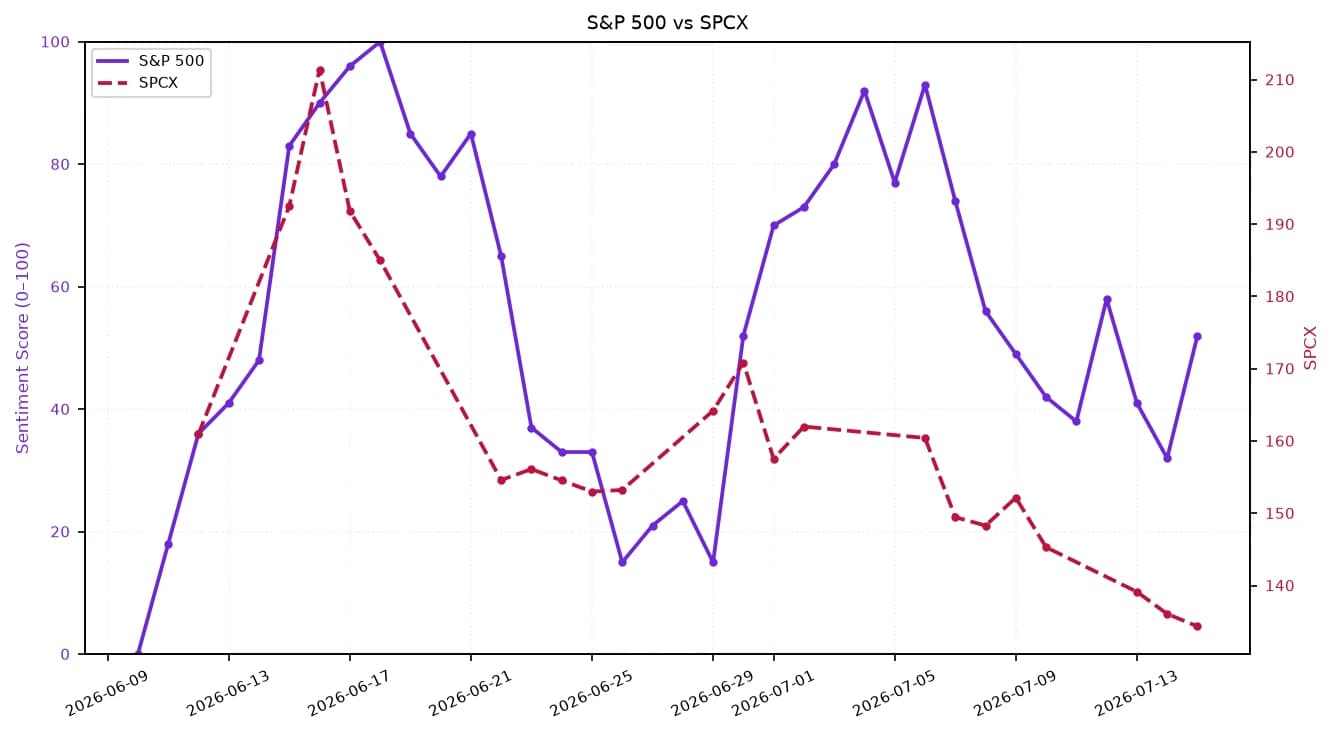
Sentiment IndicatorsⓘProprietary · adalytica.com · September 23, 2026
This is a snapshot — live sentiment, awareness and momentum for 130+ markets update continuously in the dashboard.Open AlphaPulse

The bank said foreign outflows tied to the recent rise in oil prices were limited compared with the heavier exits seen during the initial shock in early 2026. That suggests investors are becoming more comfortable with Egypt’s policy framework, external buffers and ability to absorb volatility. Remittances from Egyptians abroad, improving Suez Canal revenues and relatively modest selling in debt and portfolio markets have helped support that view.
The macro logic is straightforward. Egypt’s bills are attractive not just because nominal yields are high, but because they are less tightly linked to the Federal Reserve and other major central banks than many other emerging-market opportunities. For investors hunting carry, that relative insulation is valuable when global rates stay elevated and sovereign spreads can widen quickly.
The pound is still the critical risk. Morgan Stanley said the dollar-pound rate remains closely tied to oil prices, but much of the recent weakness in the Egyptian currency since June has been offset by the appeal of local returns. In other words, investors are being paid to sit through volatility — until they are not.
That is where the trade can turn. Morgan Stanley flagged two main threats to its bullish view: a further 5% to 7% drop in the pound from roughly 52 to the dollar, or an early start to monetary easing by the Central Bank of Egypt. Either would reduce the attractiveness of the carry trade and could revive capital outflows.
For investors, the implication is clear: Egypt is still a high-yield sovereign trade with asymmetry in its favor, but it is a trade that depends on policy discipline, currency stability and oil staying contained. If those hold, the 6-month bills remain the cleanest way to express bullishness on Egypt’s external resilience. If they do not, the exit can be fast.
| Entity | Gains | Losses |
|---|---|---|
| Egyptian 6-month T-bills | ▲High carry | ▼Currency-devaluation risk |
| Foreign portfolio investors | ▲Attractive real yield | ▼Pound weakness |
| Egypt’s government | ▲Stable funding access | ▼Higher refinancing pressure |
| Fed-sensitive EM bonds | ▲Less relevance | ▼Relative appeal to Egypt |