The European Central Bank should avoid moving too quickly on further rate increases, but policymakers cannot assume inflation is safely beaten, Greek central bank governor Yannis Stournaras said, keeping alive the case for another hike as early as October.
ECB Stournaras Keeps October Hike in Play

That tension matters because the ECB is now balancing two risks that typically push in opposite directions: tightening too much and choking a still-resilient economy, or pausing too soon and allowing inflation to re-accelerate. Stournaras’ comments suggest the governing council remains uneasy about declaring victory, even after a forceful tightening cycle that has lifted euro-area borrowing costs sharply over the past year.
Sentiment IndicatorsⓘProprietary · adalytica.com · September 22, 2026
This is a snapshot — live sentiment, awareness and momentum for 130+ markets update continuously in the dashboard.Open AlphaPulse

In an interview with Bloomberg, Stournaras said the ECB must remain alert to upside risks to inflation but “should not act hastily.” He said it was good news that second-round effects — particularly through wages — have not yet emerged, but warned that this cannot be taken for granted. That is a crucial distinction for markets: if wage growth starts feeding through into services inflation, the ECB could be forced into one more move even as growth momentum weakens.
The remarks reinforce the view that the ECB’s next decisions will be data-dependent rather than formulaic. With headline inflation still above the 2% target and energy and geopolitical risks lingering, hawkish officials have been reluctant to rule out additional tightening. At the same time, the central bank is increasingly sensitive to the cumulative damage from higher rates on credit demand, housing and business investment across the bloc.
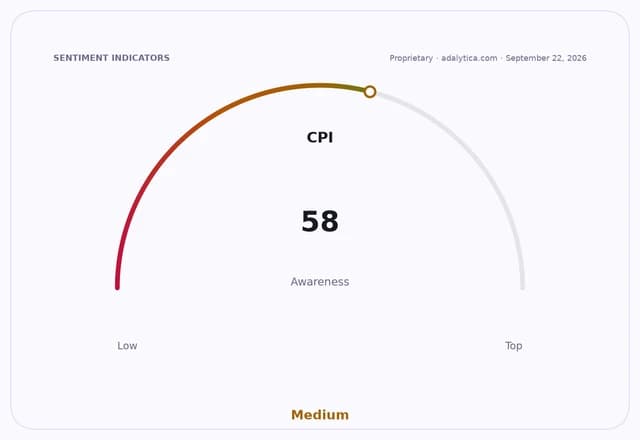
For investors, the message is that rates are unlikely to fall any time soon and that the terminal rate may still move higher. That keeps pressure on short-dated euro-area bonds and supports the euro relative to currencies where central banks are closer to the end of their cycles. It also raises the cost of capital for European companies, particularly rate-sensitive sectors such as property, utilities and smaller lenders.
Markets have already priced a more restrictive stance, but Stournaras’ comments argue against complacency. The euro has held near $1.15, with conventional technical indicators showing it trading close to its 50-day moving average and below its 200-day average, while European equity funds have remained under pressure in recent weeks. That combination suggests traders are still weighing whether the ECB’s tightening cycle is ending or merely pausing.
The broader narrative is that the ECB is trying to avoid the mistake of easing the fight against inflation too early. If wage pressures stay contained, the case for restraint strengthens. If they do not, October could become the next focal point for a policy move — and for another test of how much tightening Europe’s economy can absorb.
| Entity | Gains | Losses |
|---|---|---|
| ECB hawks | ▲Keeps option for more hikes | ▼Risk of tighter financial conditions |
| ECB doves | ▲Avoids rushed tightening | ▼Less room to declare victory on inflation |
| Euro | ▲Supported by higher-for-longer rates | ▼Limited upside if growth slows |
| Borrowers | ▲Potential relief if hikes pause | ▼Higher financing costs if October hike materializes |